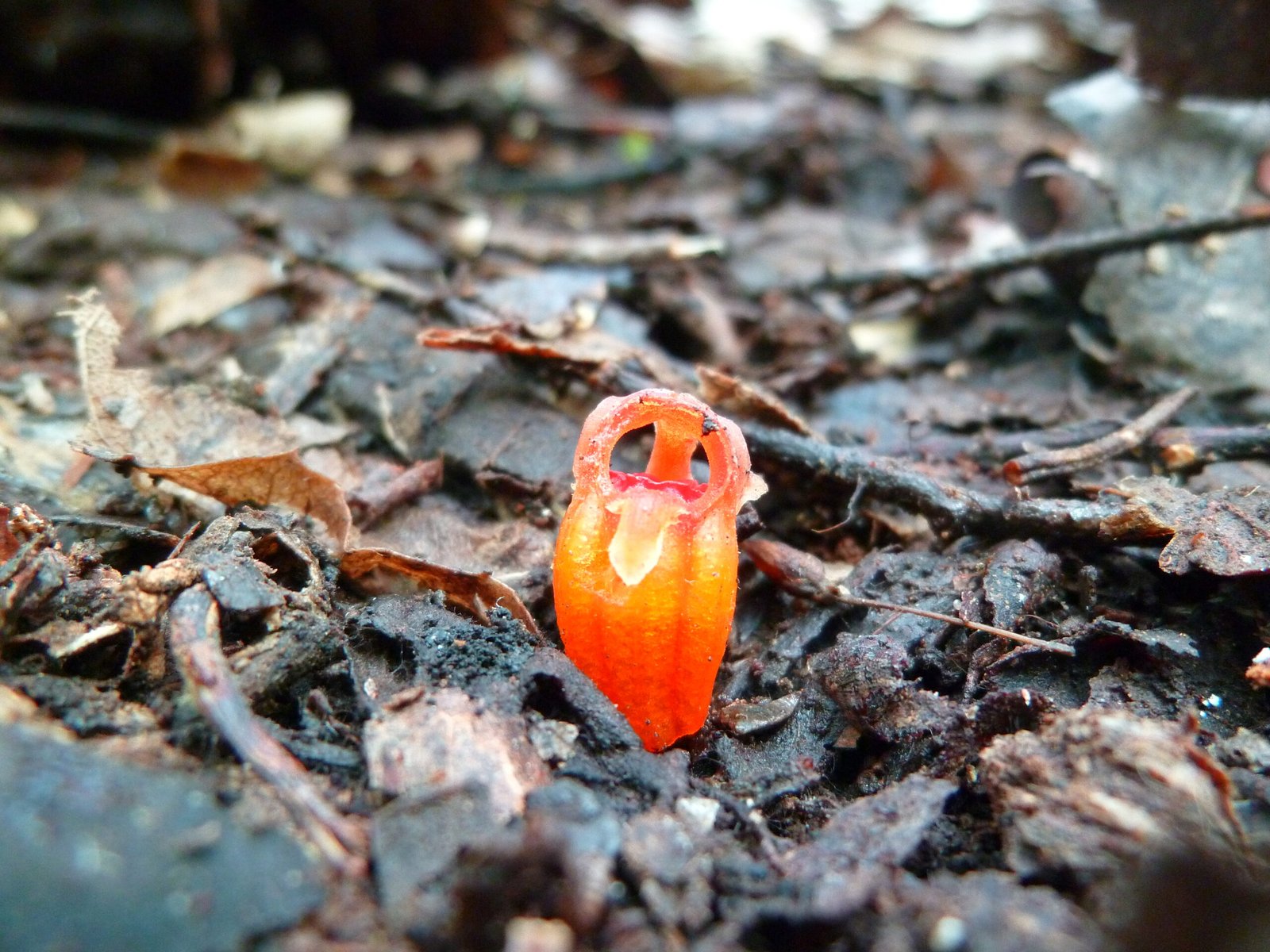
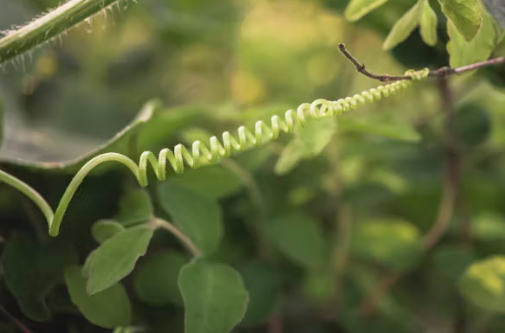
Have you ever wondered if plants in a lush garden can communicate with each other? Imagine a silent world of dialogue underground, where roots intertwine like a telecommunications network, transmitting invisible yet powerful information. Plants do indeed communicate, and science is only just beginning to unravel their mysteries. This guide aims to explore the fascinating mechanisms of communication between plants and between plants and their environment.
How plants communicate through chemical signals
The main language that plants use to communicate is chemical. Through the production and release of volatile organic compounds, plants can send complex messages. These chemical signals serve to warn nearby plants of impending danger, such as a pest infestation, and can even attract natural predators to keep invaders at bay.
The function of allelochemicals
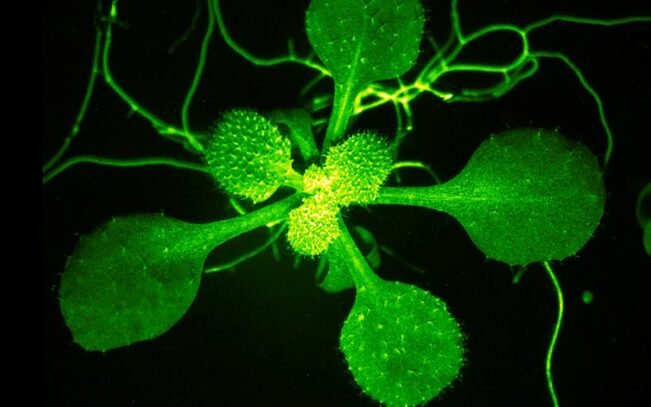
Allelochemicals are one of the secret weapons in plant communication. Imagine these compounds as bottled messages sent through the wind, which when received by other plants can provoke responses such as the production of toxic substances to repel attackers. This form of allelopathy transmits information crucial for the survival of entire plant communities.
The underground communication of mushroom networks
In addition to sending chemical signals into the air, plants also communicate underground, in a truly natural internet, now known as the “Wood Wide Web.” This network is made up of intricate connections of mycorrhizal fungi that live in symbiosis with plant roots.
Mycorrhizae: the internet of plants
Mycorrhizae form an extensive network that not only aids in the transfer of nutrients between plants, but also serves as a channel for communication. Through this network, plants can receive stress signals and information about available resources, thus adapting their behavior and development based on the feedback received from the surrounding environment.
The role of touch and movement in plant communication
Even though it seems impossible, plants respond to touch and use movement to communicate. Some species, such as Mimosa pudica, can bend their leaves upon contact to discourage herbivores. This ability to move not only mechanically defends the plant but also serves to «communicate» information to other nearby specimens.
Fast and slow movements: alternative languages
There are two main types of plant movements: rapid ones, such as those of mimosa, and slow ones, such as phototropisms, where plants grow towards the light. These movements are essentially responses to environmental stimuli and represent a way in which plants «dialogue» with their environment and with other plants, dynamically adapting to changing conditions.
End of the first part.
The response to sounds: a surprising discovery
It may surprise you to know that plants also respond to sounds. Recent studies have shown that some plants can perceive sound vibrations and react accordingly. For example, it has been observed that roots develop a slight inclination towards the source of the sound when they perceive the gurgling of running water. This extraordinary discovery suggests that plants can tune in like little natural radars to acoustic signals that guide them to vital resources.
Plant cooperation for survival
All this communication not only serves to protect individual plants but is crucial for the balance of the entire ecosystem. Plants work together intrinsically, sharing resources and information to ensure the survival of the plant community and its members. This example of natural cooperation is a reminder of how biodiversity is critical to the planet.
Implications for agriculture and the environment
Understanding how plants communicate can have a significant impact on agriculture and environmental management. Farmers can use this knowledge to improve crop yields by adopting agricultural practices that respect and encourage the natural communication of plants. For example, the conscious use of mycorrhizae could reduce the need for chemical fertilizers, promoting more sustainable agriculture.
Conclusion
Plant communication perfectly showcases the incredible complexity and interconnectedness of nature. From the chemical language that warns of danger to the mycorrhizal networks that facilitate resource exchange, to their responses to sound—each element is part of a continuous dialogue, working together to ensure plant growth.
In a world where ecological balance is more precarious than ever, we can benefit greatly from these silent conversations. Understanding how plants communicate allows us to appreciate the beauty and wisdom of nature and inspires us to protect it and integrate it harmoniously into our daily lives.
Next time you stroll through your garden, remember: the plant world is far from silent. The ways plants communicate with each other challenge our perceptions and invite us to further explore and discover the hidden wonders of nature.
Would you like to experience the fascinating world of plants up close? At Le Georgiche, you can find a wide variety of plants and accessories to create your own green oasis and experience the magical power that nature brings us every day.
latest posts published

Spring in stock: Preserve wild herbs and use them year-round

Everyone really likes wild herbs!

How to make air layering on indoor plants
Distances of trees from the border: what does the law say?

Month of Festivals, Traditions and Taste

🌿 The cold is coming! How to transform the living room into an autumn relaxation corner

From Amaryllis bulb to plant: complete guide!

how to take care of it » Sell Plants Online

Here are the 12 best plants to purify the air (but it’s all false)