The second half of the 20th century witnessed a notable progress in agriculture thanks to the Green Revolution, characterized by the introduction of new varieties of high plants efficiency and the widespread use of chemical fertilizers and pesticides.
Due to all this, unfortunately, we are witnessing a gradual degradation of land intended for cultivation, together with a marked decrease in biological variety.
The challenge we find ourselves facing is to promote sustainable agriculture, which can increasingly open up an optimal balance between productivity and responsible ecology.
When growing plants, especially in pots, it is usual to use ready-made substrates which, if of good quality, guarantee a ideal structure for root development.
However, it is always an approximation of natural soil. The main ingredients are peat, coconut fiber and pith, wood fibre, compost, mineral aggregates such as pumice, volcanic lapillus, perlite or expanded clay, depending on the formulation and intended use.
The deficient components, not only in the soil but also in «managed» soils such as that of the garden, are replenished through the administration of other products.
- I mineral fertilizers they provide nutritional elements such as npk and microelements;
- those organic (including what we call biostimulants) increase compounds such as humic and fulvic acids, amino acids and elements in organic form, mainly N and C.
There are many differences between mineral and organic, but we talked about it better in this article!
This is because soil is not fertilizer and therefore does not provide nourishment to plants but does provide:
- an environment physically suitable for root development;
- the right ventilation;
- correct drainage;
- the ability to retain and make available the nutrients that we will provide to the plants, preventing them from slipping away with the wetting water.
However, there is a third component that can be integrated into the soil so as to make it resemble more and more the optimal one of a mountain forest and it is the living part.
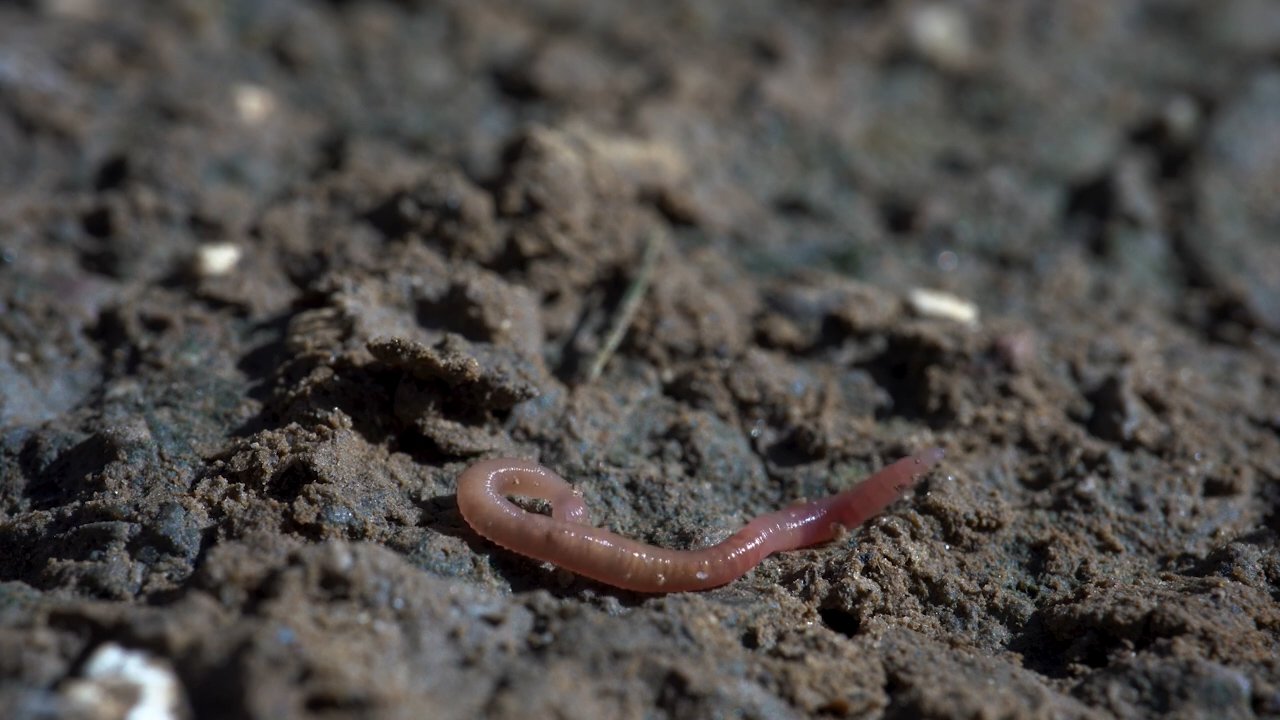
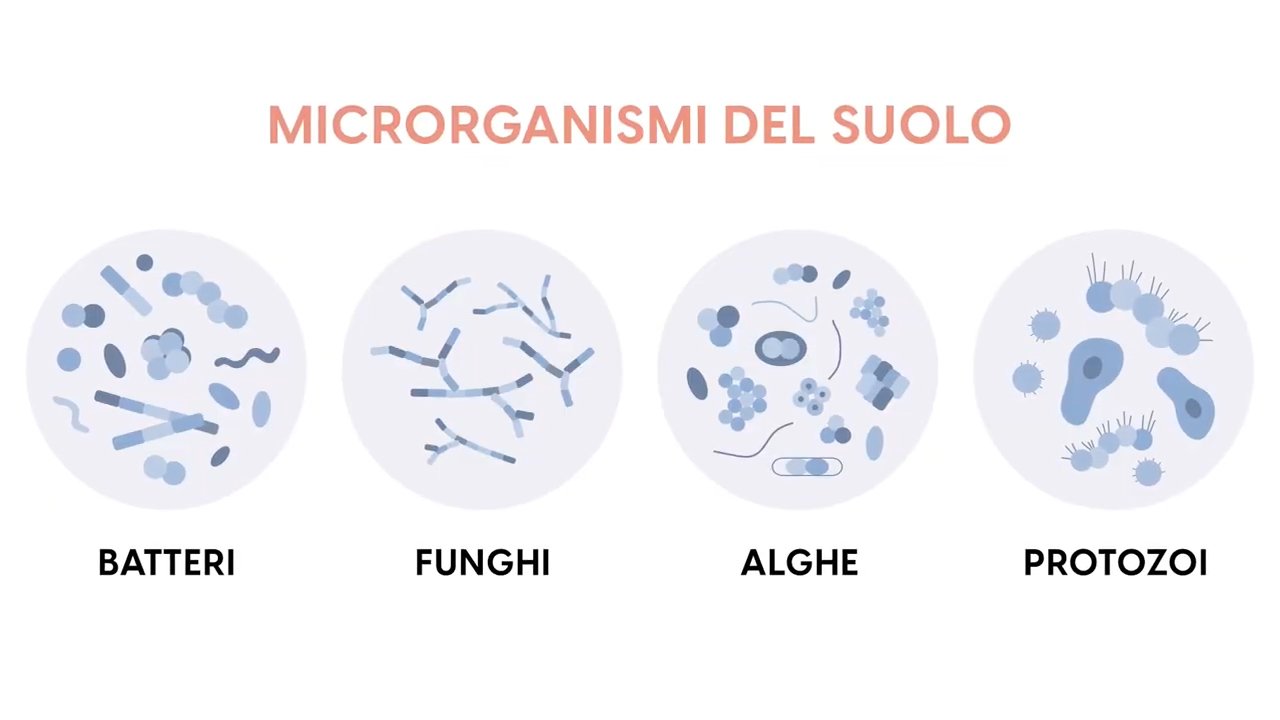
The soil is full of extremely important organisms, often macroscopic (earthworms, arthropods, etc.) but also microorganisms that are not perceptible to the naked eye. They all work, in different phases, on the fertility of the soil, modifying both its physical structure in terms of improvement (just think of the aeration work that earthworms do) and the physical-chemical characteristics.
In nature, no one works for free and all these actions undertaken hide an interest on the part of the organisms involved. Most of the time they feed on the dead organic substance present in the soil (dry leaves, fallen branches, animal bodies and excrement, etc.) and as a waste product they return it to the soil in a gradually more refined form, until its humification and mineralization. This process allows the organic substance to transform into compounds that can be assimilated by plants.
There are three «groups» of microorganisms which, among others, deserve particular attention for the role they have in improving soil fertility, in defense and in the development of healthy and performing root systems. Let’s see them now:
1. Mycorrhizae, what are they and how to use them?
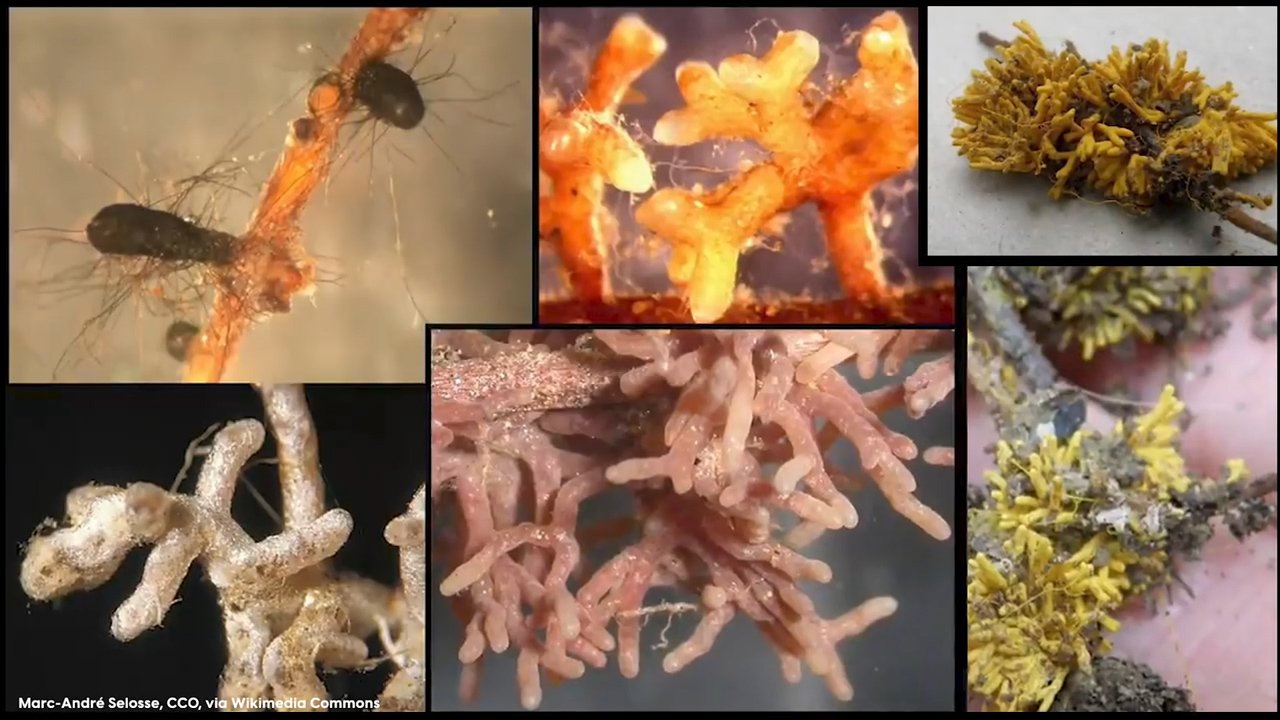
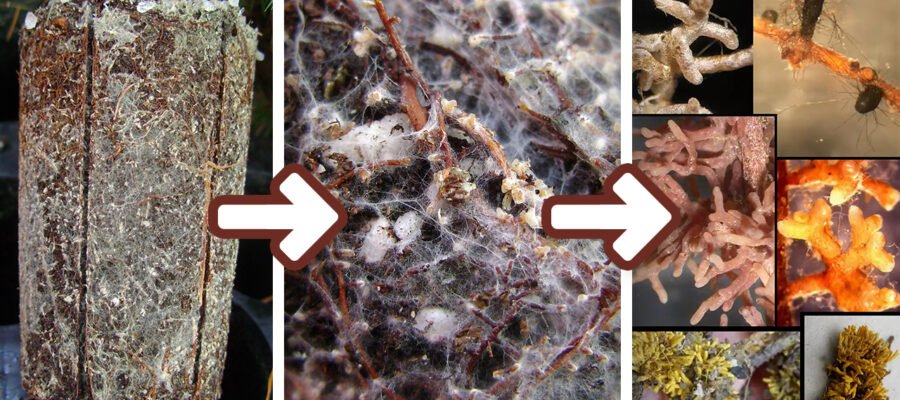
Mycorrhizae are fungi that they live in symbiosis with the roots of practically all plants. In most cases this symbiosis is a mutually beneficial association: both the fungus and the plant involved benefit from the interaction.
These are truly far from rare phenomena, indeed as mentioned previously, in natural environments 90% of the trees that grow in temperate forests participate in this association.
How can we imagine mycorrhizae?

First of all, it is not certain that the mushroom involved necessarily expresses a macroscopic fruiting body as we are used to seeing in the woods. But excellent examples of mycorrhizal symbiosis are those between chestnut trees and porcini mushrooms or between oaks and truffles.
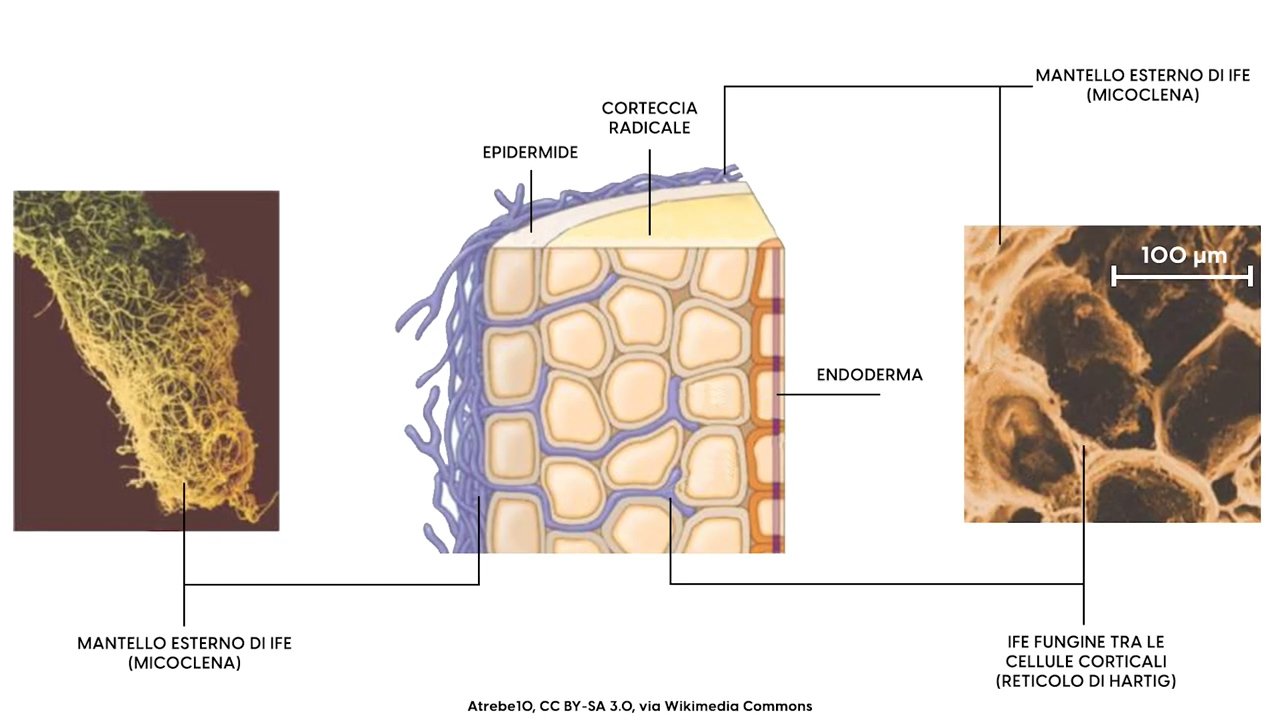
But the real mushroom is one complex network of thin filamentscalled hyphae, which overall form a large underground web: the mycelium.
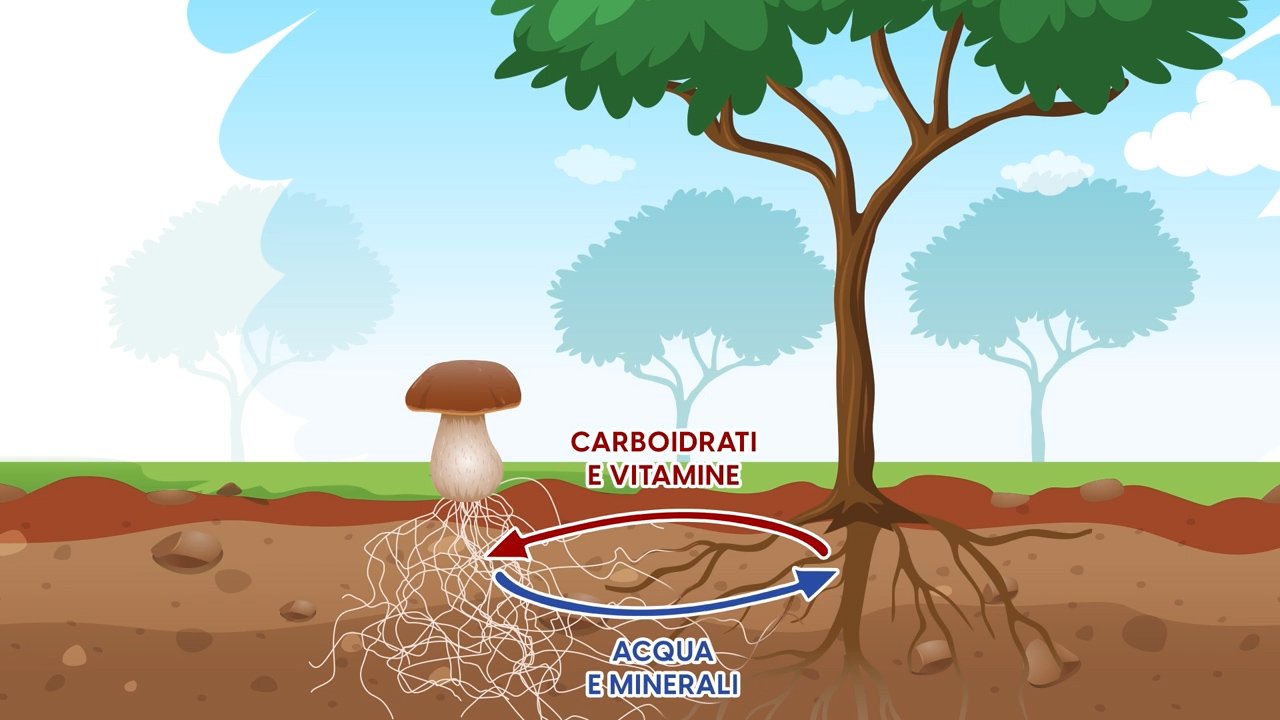
In the symbiosis under consideration the hyphae of the mycelium «connect» to the roots of the plantsas if they were a sort of extensions of the root system.
What are the mutual benefits that plant and fungus get from this connection?
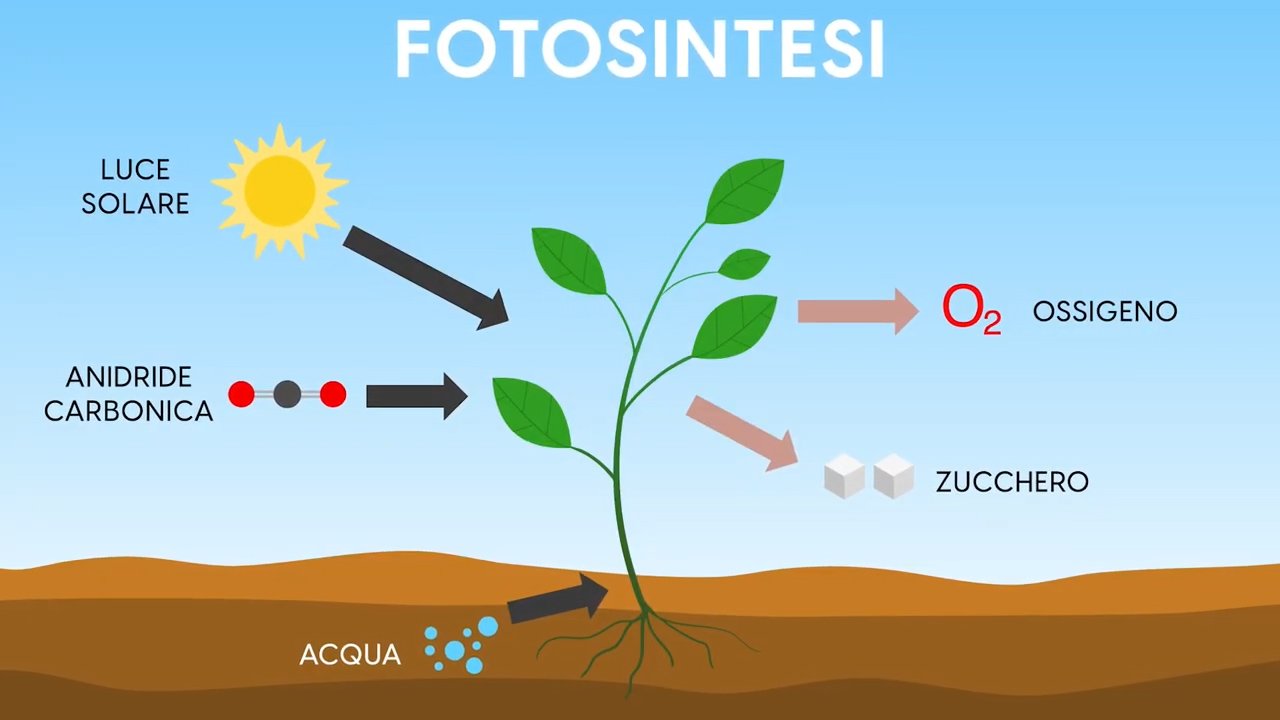
The most obvious advantages are of a nutritional nature: the plant knows how to do something that the fungus is not able to do: the photosynthesis. Through photosynthesis the plant takes carbon from the atmosphere by absorbing CO2 from it.
The carbon is used to produce sugar molecules which the plant uses as an energy reserve and building material but it is happy to give up some of this organic carbon to the fungus in exchange for more.
The mushroom is very interested in the carbon because this element is the key constituent of every living being and transfers it to all his developing organs.
For its part, the fungus is very good at breaking down the organic substance of the soil into smaller bricks, which can be assimilated by the plant: reduced organic compounds, amino acids and proteins but above all mineral elements which it is able to capture from the soil, imprisoning them and transferring them to the plant.
It is clear that the benefits are broader, just think in general about the fact that through mycorrhizae the plant has access to hundreds of times greater volumes of soil:
- more water available and therefore greater resistance to water stress;
- protection from parasitic fungi and nematodes;
- transfer of nutrients from dead to living plants.
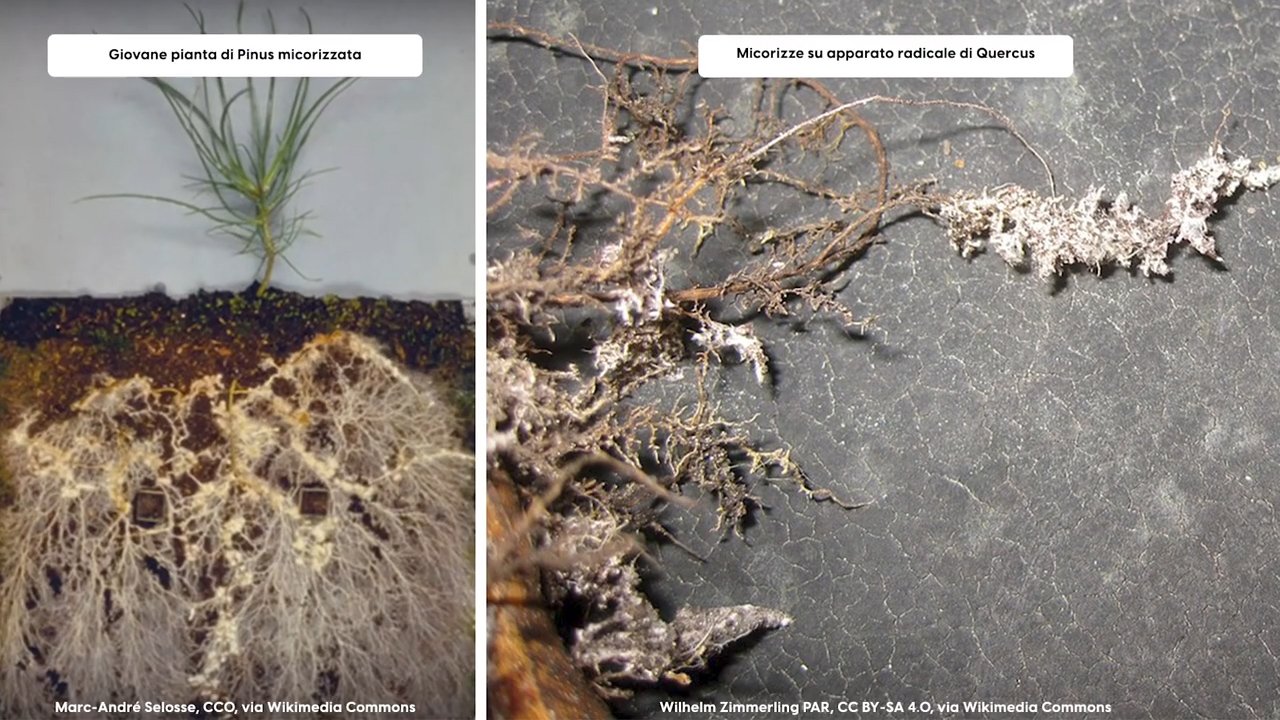
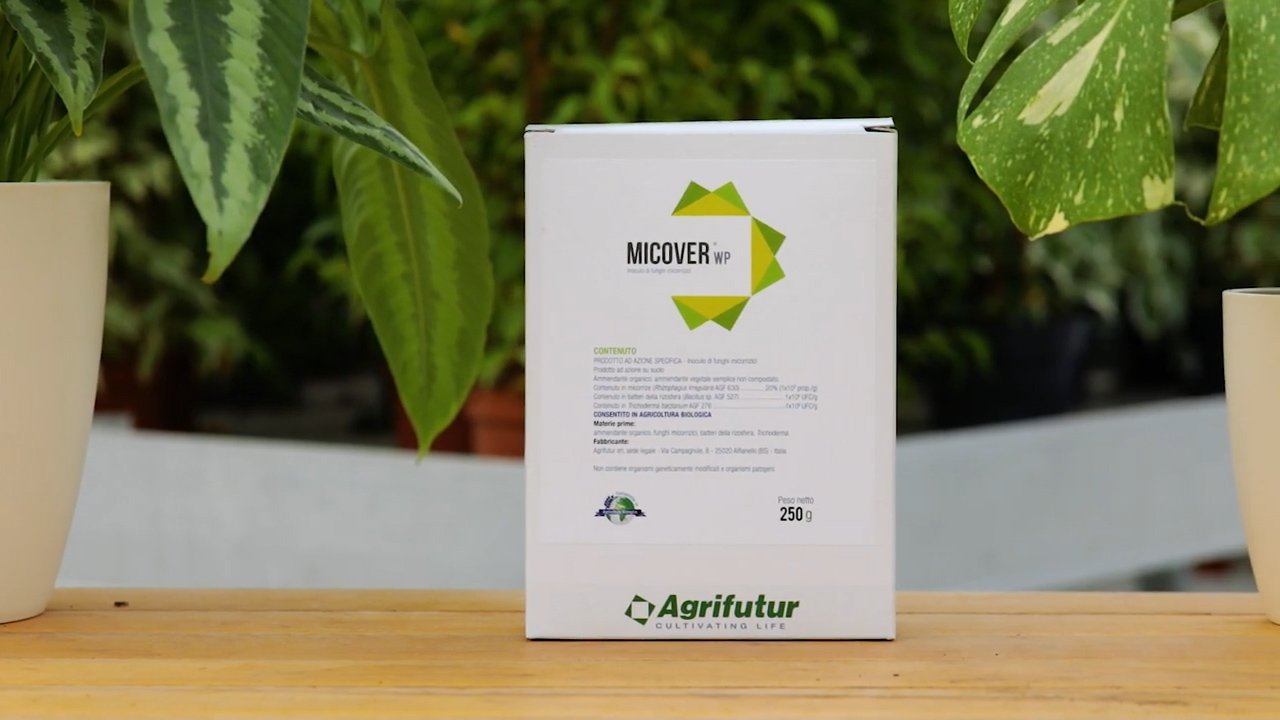
There are products that contain the inoculatewhich are like a dormant form of the mushroom that activates as soon as it is distributed on the ground and wetted.
Micover WP is the best product I’ve tried, so it’s not a given that it could be another one in the future but for 7 years now it has won.
How to use it: very simple, basically it dissolves in water and is administered by wetting, following the information that can be found on the box.
Some other extremely important living beings have been inserted into the Micover. Taking into account that these things are cleared for decades in professional agriculturetherefore their effectiveness has no longer been a subject of discussion for some time.
With the application of the preparation in question, in addition to mycorrhizae, two other microorganisms capable of generating advantages for plants are incorporated into the soil:
2. Trichoderma
Trichoderma is a genus of microscopic fungiwhich develop in the soil around the root systems of plants once administered. This has notable effects:
- antagonism to parasitic fungi (activity already known in trichoderma since the 1920s). Trichoderma grows its mycelium towards the pathogenic fungus, reaches it, envelops it and with particular hyphae called appressoria penetrates the cell walls of the target, dissolving them thanks also to the secretion of enzymes and digests its contents, obviously determining its death. How does he do it? chemotropism;
- biocontrol called antibiosis: trichoderma, like other fungi, releases substances into the soil that inhibit the activity of pathogenic bacteria and fungi;
- competition in terms of space and nutrients because where trichoderma has spread there will be no room for pathogenic fungi;
- resistance induction: trichoderma is able to deceive the plant, pretending to be a parasite at the level of metabolites spread in the soil, thus stimulating the natural defenses of the plant.
It is important to underline that since they are saprophytic and non-parasitic fungi, they eat organic substance -> + organic substance = better development.
If you are wondering, this product is what enriches the One plus soil where there is dermatozoon in the mix, an organic fertilizer that helps the development of trichoderma.
3. Rhizobacteria
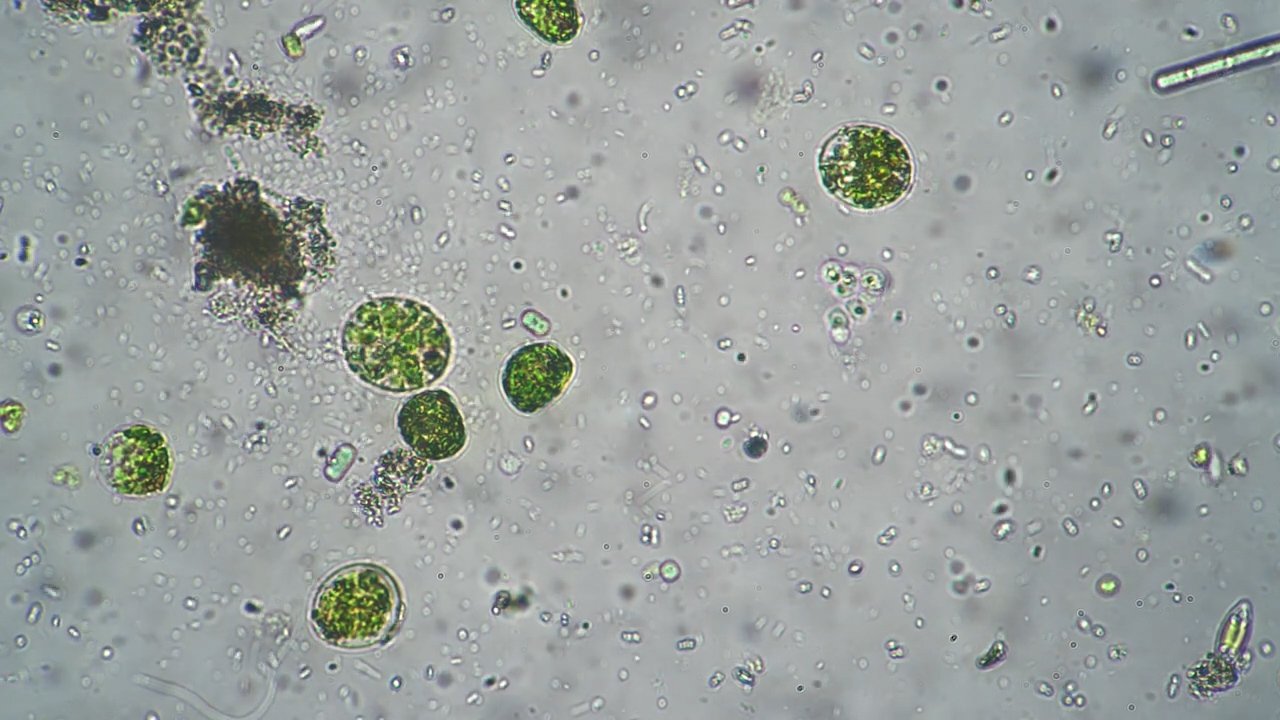
In One plus as in Micover there is a third protagonist who is actually a collective, they are the rhizobacteria.
Rhizobacteria are one special category of bacteria found in the rhizosphere of soiland play a very important role in maintaining soil fertility and inducing biostimulant effects. They cover a crucial function in the supply of nutrients to plants, facilitating their growth and providing essential defenses against possible pathologies. Like mycorrhizae, rhizobacteria also establish a mutualistic relationship with plants.
Their impact on the soil can be categorized as direct or indirect.
The direct operation refers mainly to the nutritional supply to plants. In practice, rhizobacteria act on soil nutrients (such as iron, potassium, nitrogen and phosphorus) which are found in forms that cannot be assimilated by plants, transforming them into soluble forms. These direct processes include the capture of nitrogen from the surrounding environment, the solubilization of phosphorus for absorption, the production of plant hormones such as auxins, cytokinins, and gibberellins, and the synthesis of siderophores.
From the point of view indirectRhizosphere bacteria act as biological control agents against diseases through various mechanisms and are antagonists of parasitic bacteria that attack the root system. Furthermore, their metabolites provide natural control against other pathogenic fungi.
The use of rhizosphere bacteria that promote plant growth as biostimulants could over time represent a valid alternative to the use of chemical fertilizers.
Adequate soil favors a optimal management of interactions between roots and soilas well as between seeds and soil, which is crucial for controlling microorganisms, stimulating plant growth and reducing the environmental impact of agriculture and crop production. Among the unique benefits of this complex dynamic, we observe the advantageous use of microorganisms promoting plant growth and capable of suppressing diseases and weeds, thus carrying out a form of biocontrol.
It is fascinating to note how in agriculture they apply these beneficial bacteria directly to seeds, coating them before the planting process. This process significantly increases the chances that the seeds will harbor psignificant populations of rhizobacteria in the rhizosphere, resulting in significant positive impacts on cultivation.
Indeed, these bacterial microorganisms appear to constitute the dominant component of the rhizosphere, despite occupying less space than other elements.
However, the relationship between rhizobacteria and plants is not a one-way street: in exchange for the nutrients provided by rhizobacteria, plants must offer a suitable environment and conditions necessary for their survival. It may seem like a negligible detail, but it should be kept in mind that the creation and maintenance of root nodules can require a considerable energy expenditure from the plant, which can vary between 12% and 25% of the total photosynthesis production.
latest posts published
Spring in stock: Preserve wild herbs and use them year-round
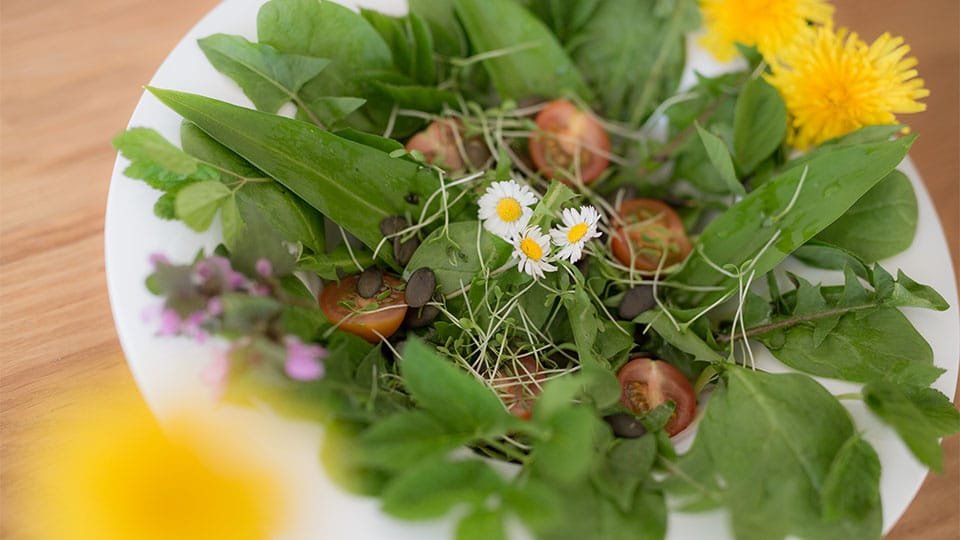
Everyone really likes wild herbs!
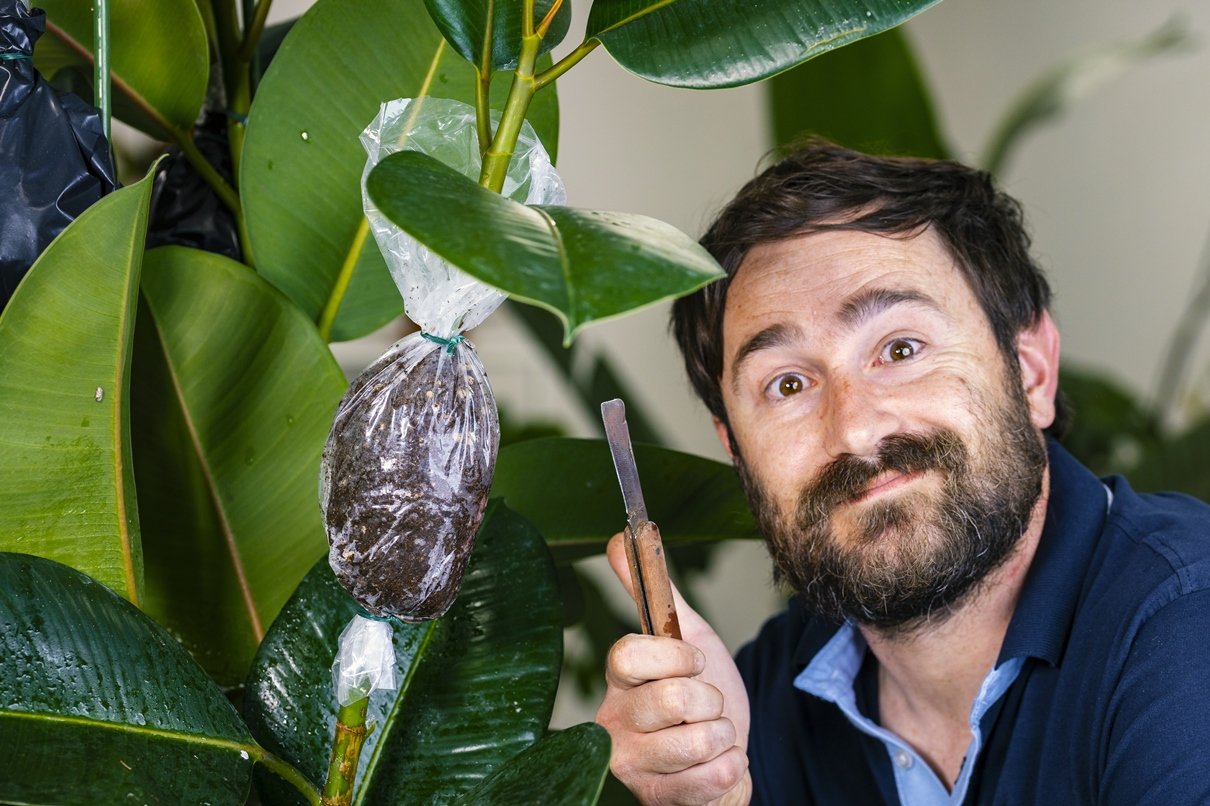
How to make air layering on indoor plants
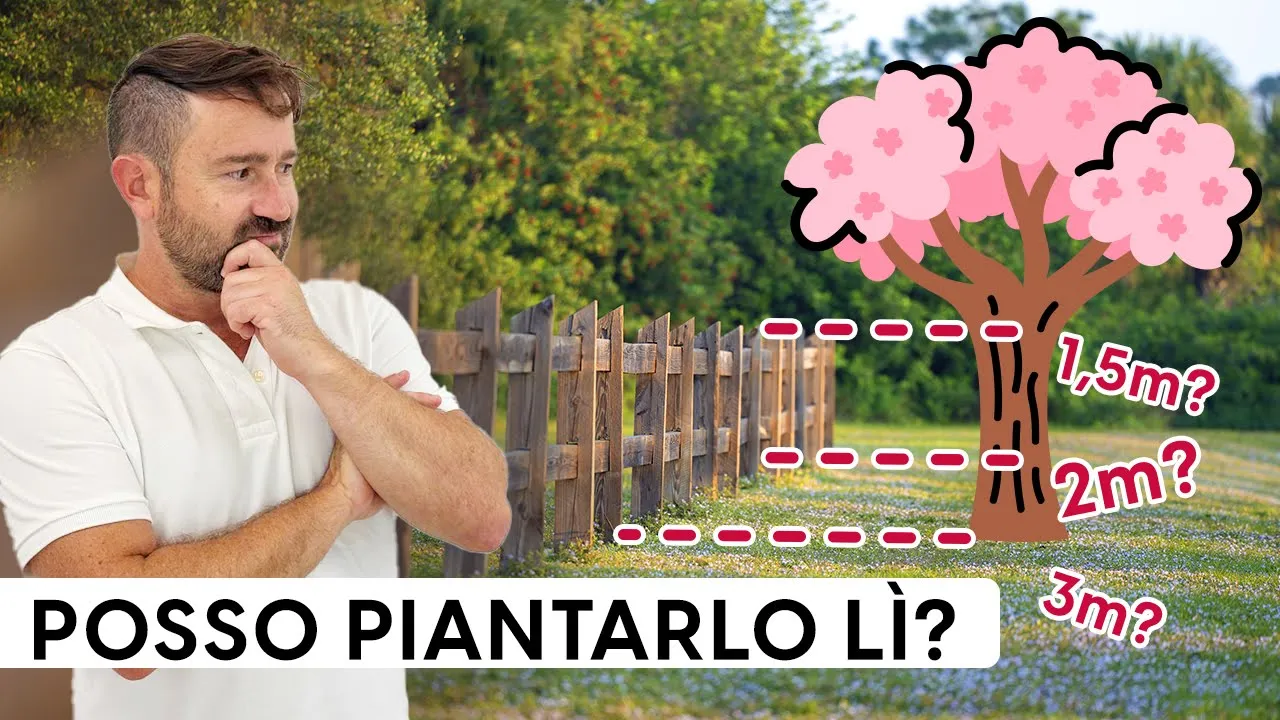
Distances of trees from the border: what does the law say?

Month of Festivals, Traditions and Taste

🌿 The cold is coming! How to transform the living room into an autumn relaxation corner
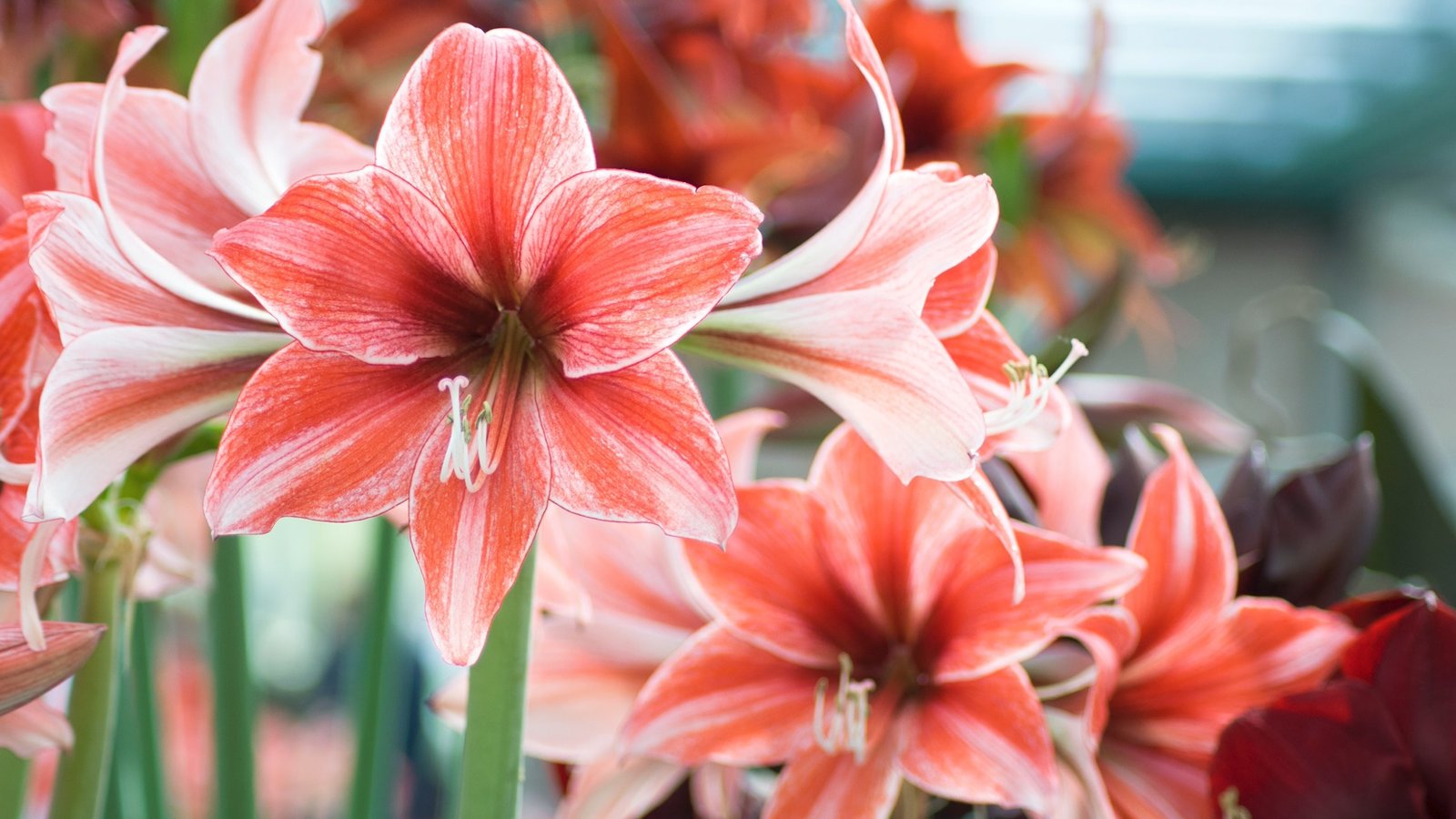
From Amaryllis bulb to plant: complete guide!

how to take care of it » Sell Plants Online

Here are the 12 best plants to purify the air (but it’s all false)