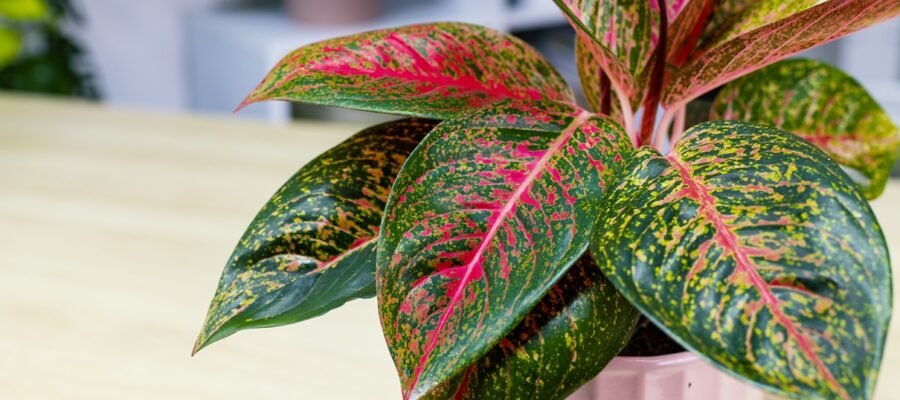
Colorful, varied and evergreen, Aglaonema is a must for any interior space, whether we are talking about private homes or offices. With its varieties with leaves embellished with very varied colors it will be able to adapt without problems, giving even more emphasis to the environment.
Even the care she needs won’t give you a hard time!
Aglaonema
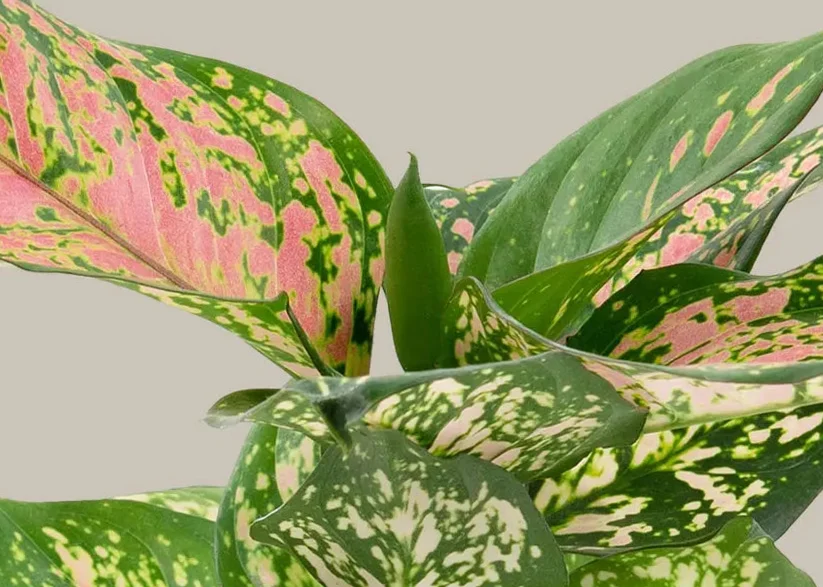
Silver Queen (Aglaonema) belongs to the Araceae family, which includes about 50 species of small evergreen herbaceous plants. In addition, there are many hybrid varieties.
Also known as «Chinese Periwinkle,» Silver Queen is native to Southeast Asia (India, the Philippines, and China).
Speaking of the Araceae family, they are considered the Asian counterpart of the American Dieffenbachia.
Silver Queen has beautiful oblong-lanceolate leaves, often with variegation.
In nature, Silver Queen produces a typical Araceae inflorescence, with a spathe enclosing the spadix. This inflorescence is not common indoors and is often not very noticeable due to its greenish-white leaves. However, it often produces very beautiful red or yellow berries.
And here’s a special surprise: this plant was one of the samples in a NASA study on air-purifying plants. Interested? Click here to learn more!
Caring for Aglaonema
Taking care of this particular plant is neither easy nor difficult, it depends on the amount of attention you can give it. Let’s say that if you can ensure humidity and heat and you will already be half the battle!
Light
They tolerate fairly moderate light, higher in the case of variegation (less chlorophyll).
Possibly good for maximizing variegation but, especially in the summer months, it is necessary to be indirect to avoid leaf burning. The ideal is a position a few meters from a well-lit window where it can receive intense soft light. Some varieties of Aglaonema survive without problems even in areas of partial shade or fluorescent lighting.
In general, however, the less variegation the plant has, the less light it will need.
Waterfall
As is often good to do with houseplants, even in the case of Aglanoema, before proceeding with the next wetting it is advisable to check the level of humidity already present in the soil, using your finger. Only if the soil is dry in the first few centimeters will it mean that it is time to water again. The semi-rest period must be less rigorous than in the hot months, and watering will be spaced only from November to February, then gradually returning to regularity. Furthermore, good humidity is necessary, integrated with nebulizations and foliage washing; with low humidity, many leaves will be lost and the plant will no longer have a compact shape.
Land
One, One plus or Florenpot, if you prefer not to use already made soil, choose a well-draining peat-based and slightly acidic mixture.
Temperature
It is better not to go below 16°C, be careful as they do not like cold currents, excessive temperatures seem to lead to attacks by cottony cochineal insects
Fertilization
The ideal is to fertilize from spring to autumn, generally once every 6 weeks with an organic fertilizer for green plants, following the doses given on the label.
I repot
Younger plants will need to be repotted into a slightly larger pot every approximately 12-18 months, while older ones can be repotted every 18-24 months. However, before proceeding it is always best to check whether the plant really needs it. Don’t know how to check? Read here!
Propagation
Apical cuttings of defoliated stems, portions of stem with at least three nodes that can be placed vertically or laid down and semi-covered by the ground. New vegetation will start from the nodes.
The substrate that should be used is very sandy/porous and draining, kept moist and not too wet.
Others with a more expressed rhizomatous apparatus (such as the A. costatum species) can also be propagated by dividing the rhizomes.
If they bear fruit, you can also seed them (3 months to germinate in the same substrate at 18-20°C)
Problems
Yellowing/softening of stems and/or leaves: A sign of overwatering, manifested as yellowing or browning of leaf edges and very moist soil.
Yellowing leaves: Usually a symptom of dehydration; leaves are dry and brittle.
Leaf drop: Usually caused by insufficient light. Leaves wilt, showing signs of weakness.
Curled leaves: May be due to excessive direct sunlight; leaves curl to protect themselves.
Toxicity
However, those who own dogs, cats and even horses should be careful if they decide to adopt one of these plants. Aglanoema is in fact toxic for these animals, it can cause oral irritation, pain and swelling of the mouth, tongue and lips, excessive salivation, vomiting (not in horses) and difficulty swallowing.
latest posts published
Spring in stock: Preserve wild herbs and use them year-round
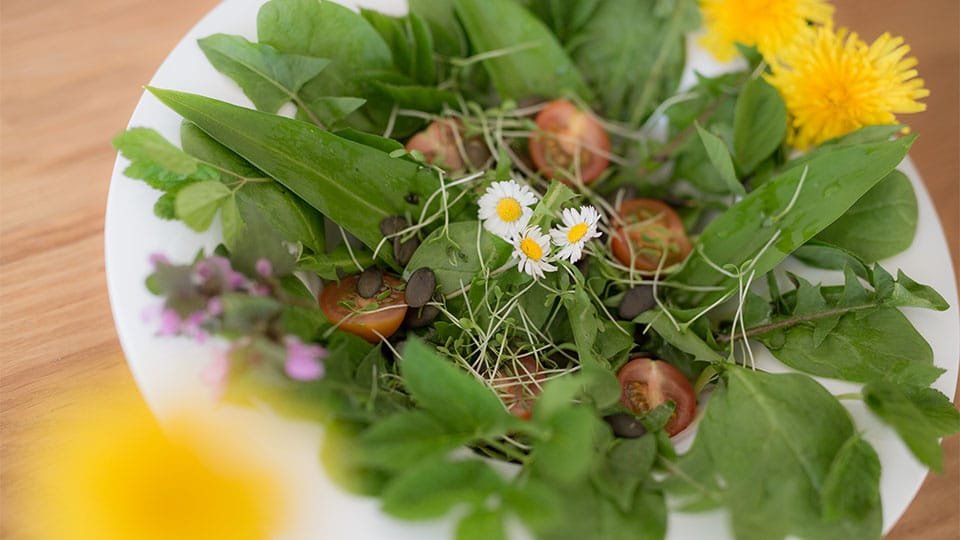
Everyone really likes wild herbs!
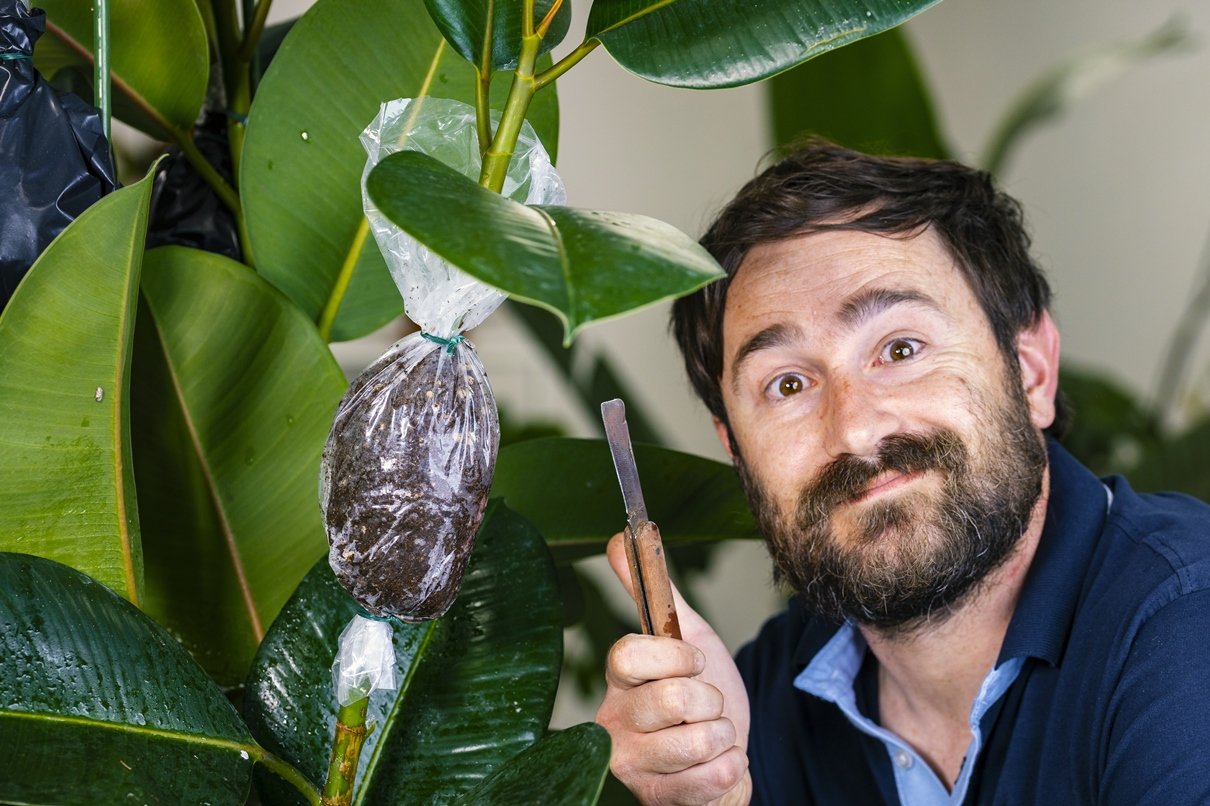
How to make air layering on indoor plants
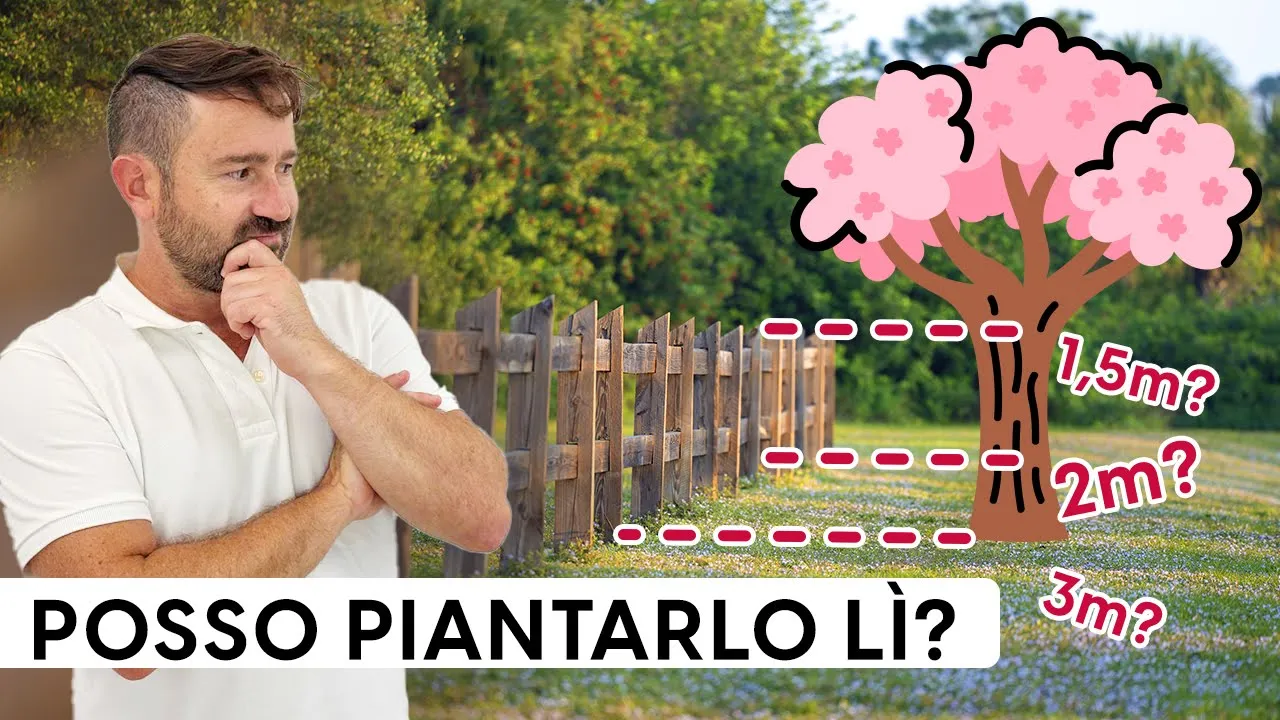
Distances of trees from the border: what does the law say?

Month of Festivals, Traditions and Taste

🌿 The cold is coming! How to transform the living room into an autumn relaxation corner
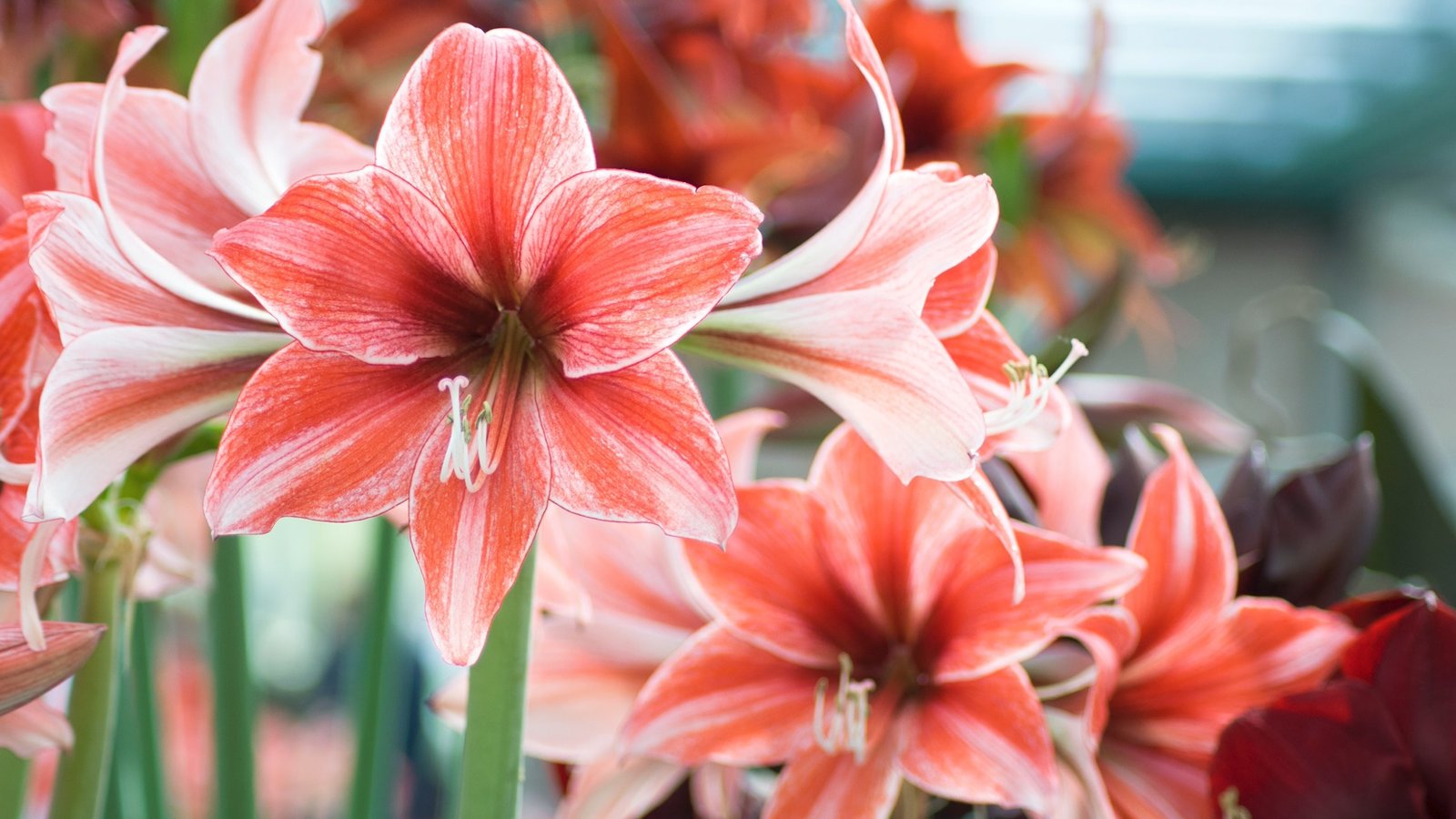
From Amaryllis bulb to plant: complete guide!
how to take care of it » Sell Plants Online
Here are the 12 best plants to purify the air (but it’s all false)