What type of greenhouse to build, what size, how to set it up comfortably, what is worth investing in, advises Ingė Auželienė, teacher of the modern greening courses «Yellow Wheelbarrow».
GREENHOUSES AND SITE CHOICE
When choosing a place for a greenhouse, you need to make sure that the plants receive enough sun. The ideal is to build a greenhouse in a north-south direction, so that the entrance is from the south and the back of the greenhouse is to the north. The most important thing to get plants eastern and southern sunsbecause in spring, when the outside temperature is at its lowest in the early morning, the first rays of the sun work miracles. If plants only receive sunlight from midday, the temperature in the greenhouse can drop dangerously early in the day.
On a hot summer day the opposite is true: the greenhouse may simply overheat. So, a little light shade it wouldn’t hurt. For this purpose, a tree planted on the south side with an openwork crown, such as a cherry or plum tree, which will not yet have leaves in spring and will provide light shade during the hottest hours of midsummer, would be suitable.
If the right conditions are there, the specialist would advise not to build a separate greenhouse, but to build it block at home. The long row of the greenhouse would run along the wall of the house, and the plants would receive heat not only from sunlight, but also from the building, which radiates heat at night.
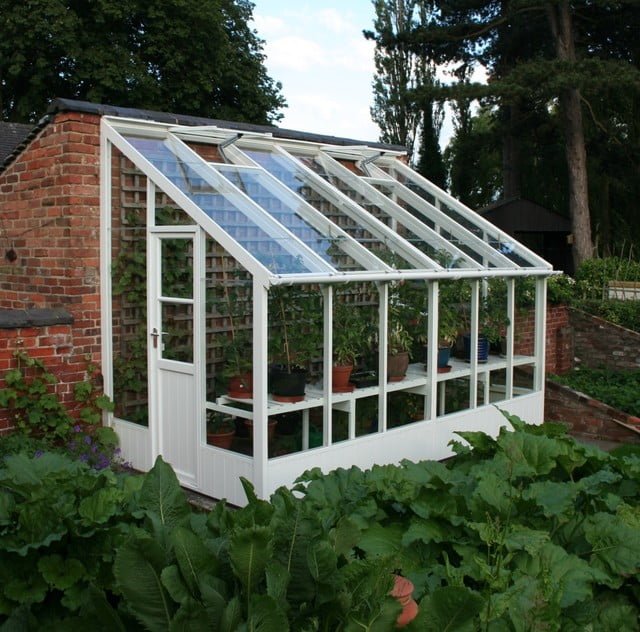
Greenhouse near the wall. Photo from www.houzz.com
The greenhouse can be built in a more distant part of the land, but much more convenient when you can quickly run to pick vegetables or tomatoes, then do not plan far from the kitchen. Also available now good looking greenhouses, which pretend to be verandas or winter gardens, blending organically with the environment.
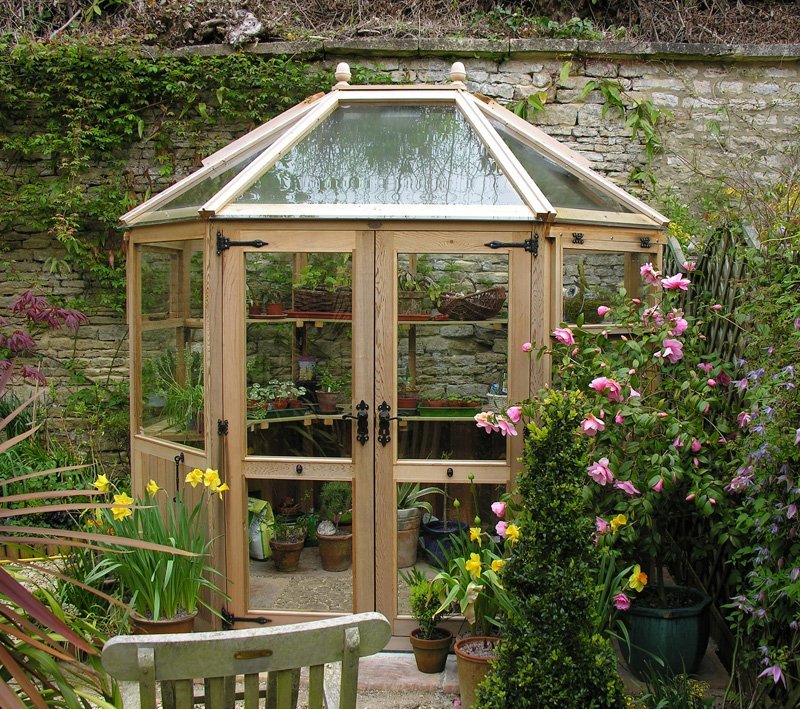
Can this ruin the image?.. Photo from lrd.buffalohair-jage.com
If you plan to install an irrigation system that supplies water from a tank, leave a clear space behind the greenhouse to place the tank.
DIMENSION OF THE GREENHOUSE
The larger the greenhousesthe better for plants: the more space, the air circulates more freely, it retains heat better (it doesn’t cool down so quickly at night), so there are fewer temperature changes inside.
When planning a greenhouse, calculate its size based on how many vegetables you will grow or store for the winter. For example, on average there are 4 tomato plants per square meter.
Should cucumbers and tomatoes be grown separately? It’s definitely better alone. For the tomatoes I need dry air and lots of moisture in the soil, oh for cucumbers – humid weather. If there is only one greenhouse, perhaps it is worth growing cucumbers outdoors, under temporary shelter, where they will grow better in Lithuanian conditions. Tomatoes are more difficult to grow outdoors and are suitable for growing alongside peppers, which require similar conditions. To arrange everything in a greenhouse, you can try to plant tomatoes at least closer to the entrance, where there is more fresh air, and cucumbers at the back of the greenhouse, where moisture is retained better. Also consider the partition: usually the greenhouse has two entrances from different sides.  You can also grow other, not entirely common, plants in the greenhouse. Greenhouse for the grapes it is much higher. OH pumpkins AND watermelons they are grown in similar conditions to cucumbers, only they are high hanging and the larger fruits require support.
GREENHOUSE MATERIALS
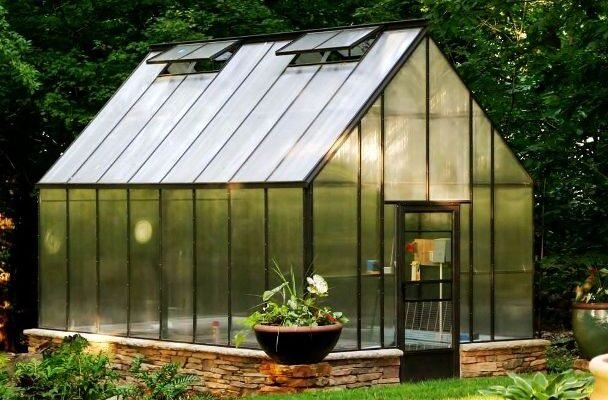
Above all greenhouses covered with film, plastic coating or glass. Greenhouses with plastic (polycarbonate) sheathing are very convenient compared to glass ones, they heat better, are lighter in construction and do not require serious foundations. However, choose a reliable supplier so that the structure is strong enough, so that the wind does not carry your greenhouse towards the neighbors. Polycarbonate coating It is available in different thicknesses: the thicker it is, the better it retains heat.
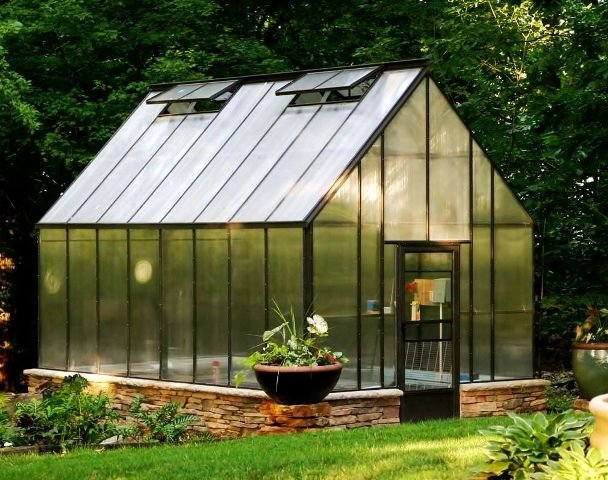
Photo credit: serrasandsunrooms.com
The important thing is ventilation. If the greenhouse is 3 meters long, two side-opening windows would be enough, but the more, the better. A window at the back of the greenhouse is also needed. If you’re saving time, it’s worth investing in automatically opening and closing windows, a simple solution that requires no electricity but can cut greenhouse time by just one step.
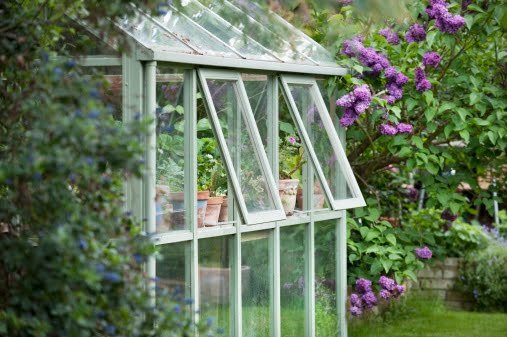
Watering is very important for greenhouse plants. Image taken from www.cleanipedia.co.uk
I. Auželienė recommends: the upper part of the greenhouse the door make the part openable. If you leave only the top part of the door open, less fresh air will enter the basement and the air temperature in the greenhouse will remain more stable.
If you cover the greenhouse polyethylene filmDon’t choose the cheapest and thinnest one. The film must be resistant to ultraviolet rays.
Ok if you can remove the greenhouse roof for the winterto make snow fall on the ground. Precipitation is necessary for natural processes to occur and for the earth to recover. Of course, you will have to work on removing the greenhouse roof in the fall and covering it in the spring.
If the greenhouse roof it remainedin winter it is necessary to bring the snow inside, because it is important that the ground does not dry out.
If the greenhouse is closed and without additional humidity in winter, if the soil inside is worn out, it should be improved in spring – bring the compost. If you grow early crops, prepare the compost in the fall and pile it in the greenhouse, otherwise you may have to cut the frozen compost from the pile outside in the spring. Sometimes the land is left to rest and for a few years only lettuce or other seasoned annual vegetables are grown.
Don’t leave trace weeds and dirt. A track made with cement tiles or stones is not only convenient for not getting dirty, but also practical for maintaining heat inside the greenhouse: during the day the concrete heats up, at night it releases the heat outside. If you have boards, use them – it will be easier to maintain a clean and tidy look.
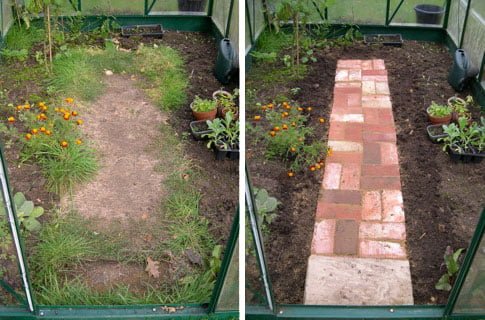
The track is being installed. Image from www.vegblogs.co.uk
Capillary irrigation system, equipped with automation or simply using water from a raised container saves you time. It’s worth installing one if you want to save time or go on holiday every now and then.
And finally – a photo for your imagination and for inspiration:
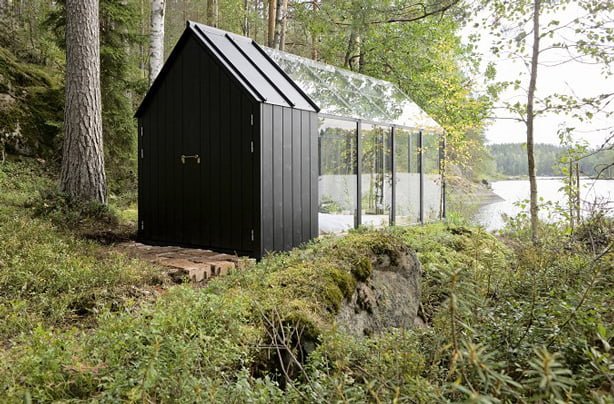
The work of architect Linda Bergroth. Photo from www.urbangardensweb.com
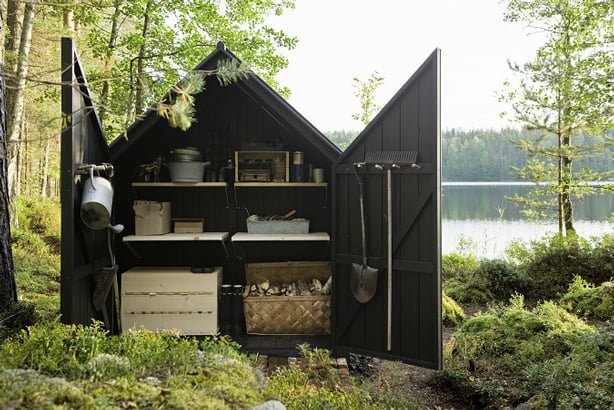
A practical storage room for garden items that takes up little space.
Of course the concept is different, but what stops you from dreaming?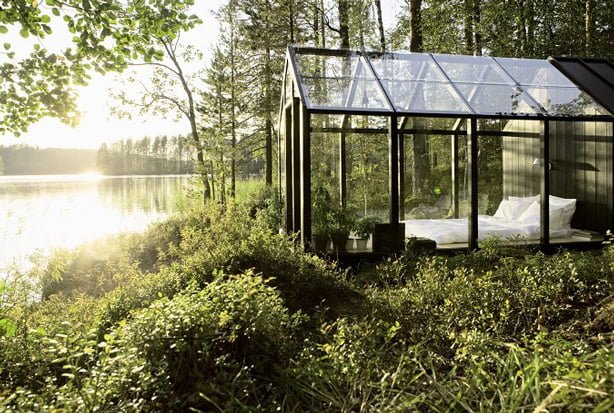
And what is your greenhouse? 🙂
(The article was also published on the Manonamai.lt portal «The landscape specialist advises how to choose a greenhouse»).
If you are going to harvest sprouts, watch a short video report on how to do it.
latest posts published
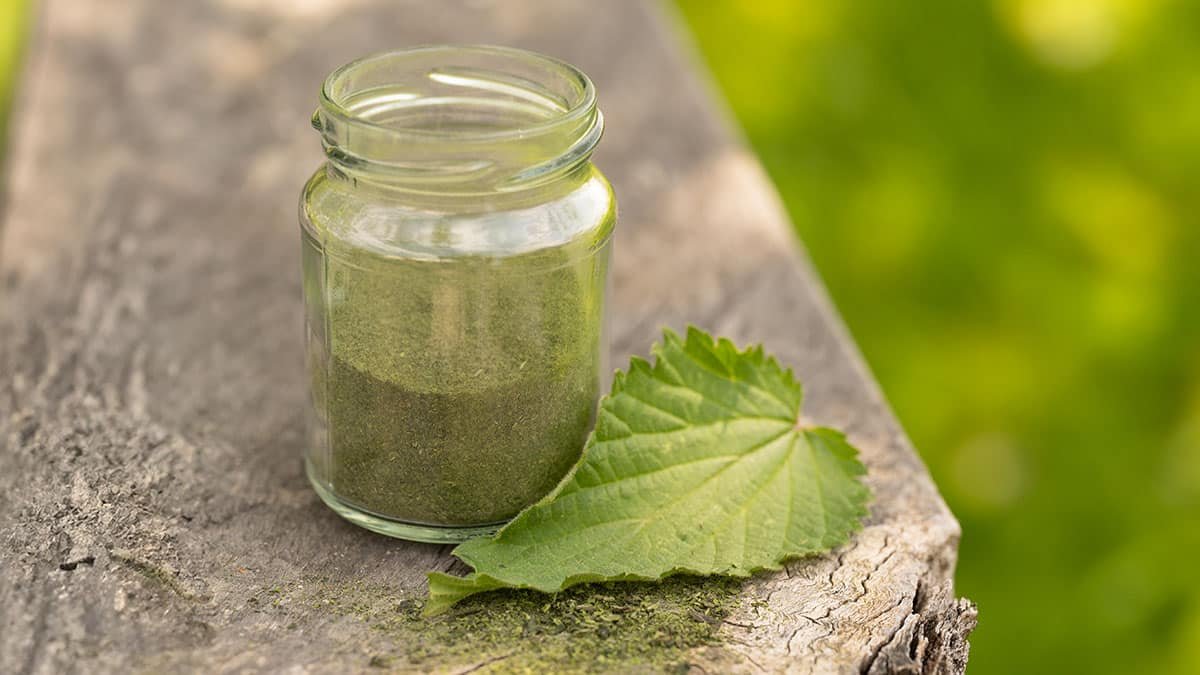
Spring in stock: Preserve wild herbs and use them year-round
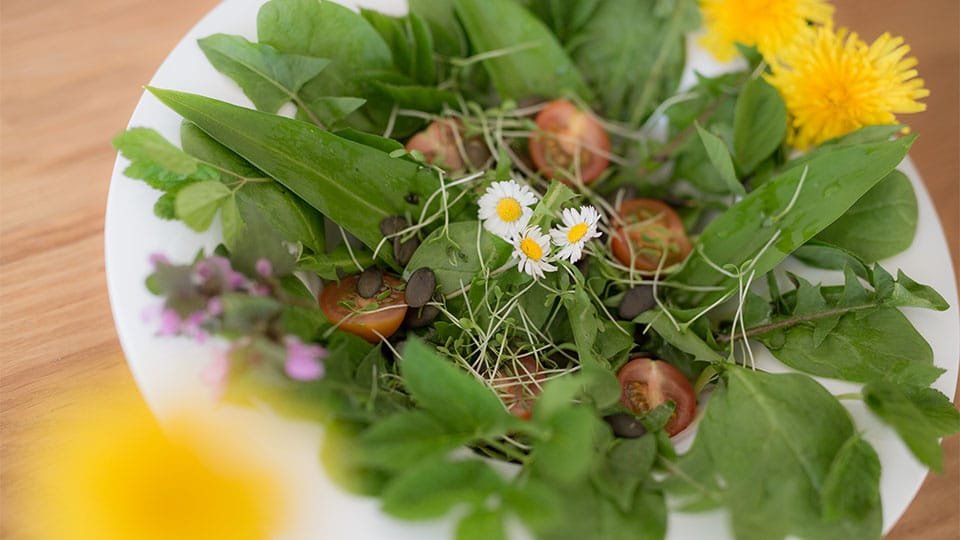
Everyone really likes wild herbs!
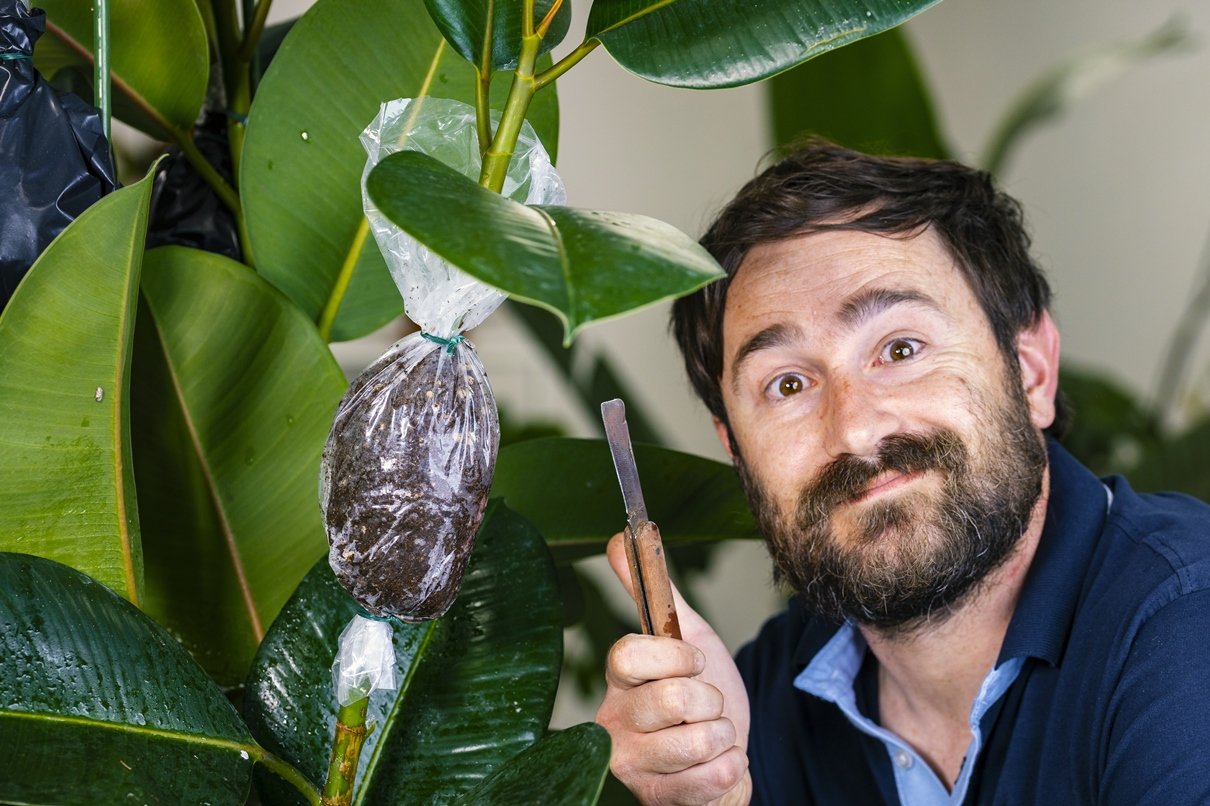
How to make air layering on indoor plants
Distances of trees from the border: what does the law say?

Month of Festivals, Traditions and Taste
🌿 The cold is coming! How to transform the living room into an autumn relaxation corner
From Amaryllis bulb to plant: complete guide!
how to take care of it » Sell Plants Online
Here are the 12 best plants to purify the air (but it’s all false)