

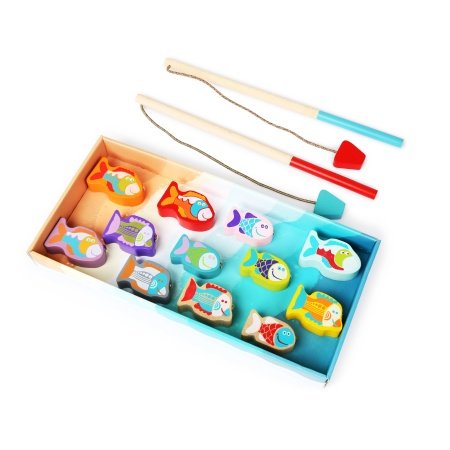
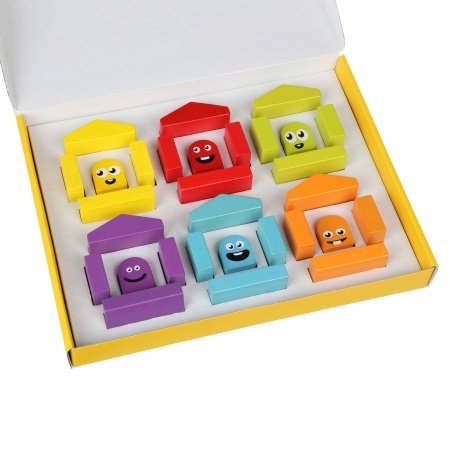
In the vast universe of toys, there are two types that attract attention for their unique characteristics wooden toys AND interactive toys. Although they belong to very different categories, both types of toys play an essential role in children’s development, but each in a different way. Wooden toys are often prized for their durability and natural appearance, while interactive toys are favorites of a generation of children living in an ever-expanding digital world.
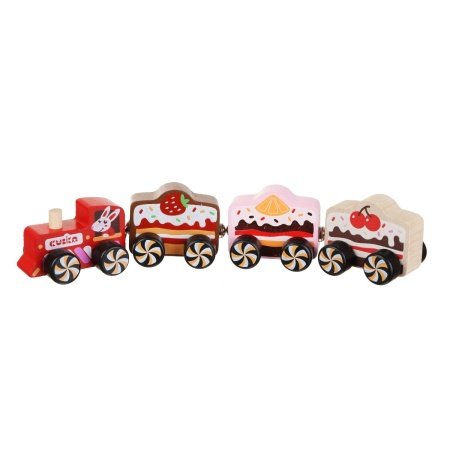
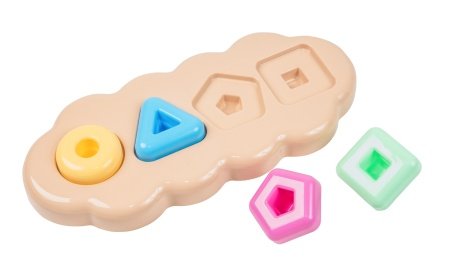
Wooden toys: tradition and sustainability
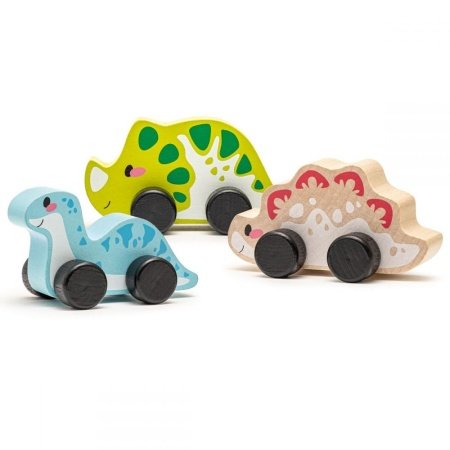
Wooden toys have a long and respectable history. These are some of the oldest types of toys in the world, with examples dating back to antiquity. Wooden toys are valued not only for their aesthetic appearance, but also for their durability and sustainability. In a world where environmental concerns are on the rise, wooden toys are becoming an increasingly popular choice among parents.
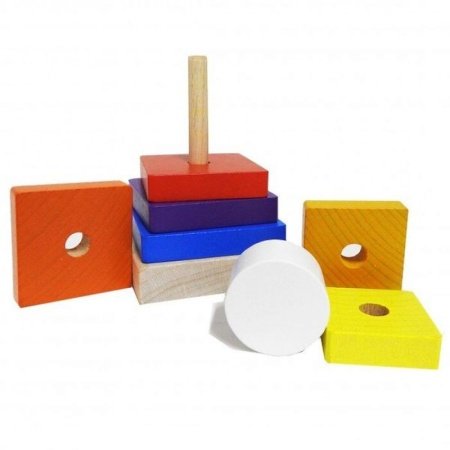
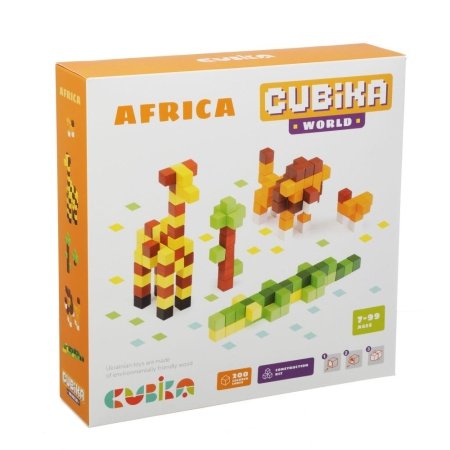 Durability and safety
One of the main advantages of wooden toys is durability. Unlike toys made of plastic or other materials, which can break or deteriorate quickly, wooden toys are extremely durable and can be passed down from generation to generation. This makes them a long-term investment. Additionally, wood is a natural material that, when properly processed, contains no toxic substances, making it a safe choice for children. Many wooden toy manufacturers use water-based paints and non-toxic paints, making these toys ideal for young children, who tend to put them in their mouths.
Benefits for child development
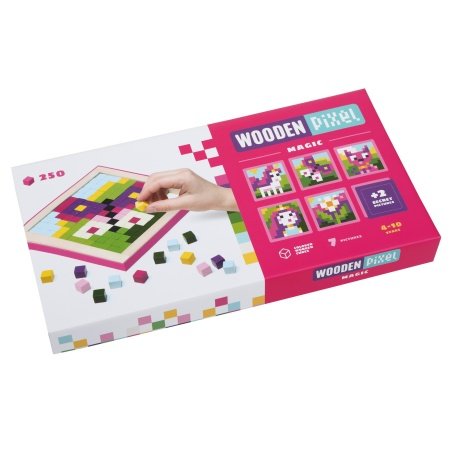
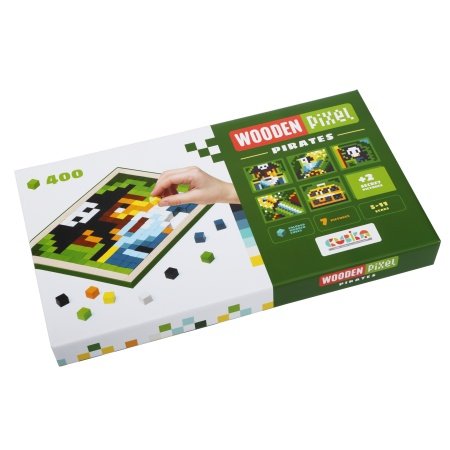
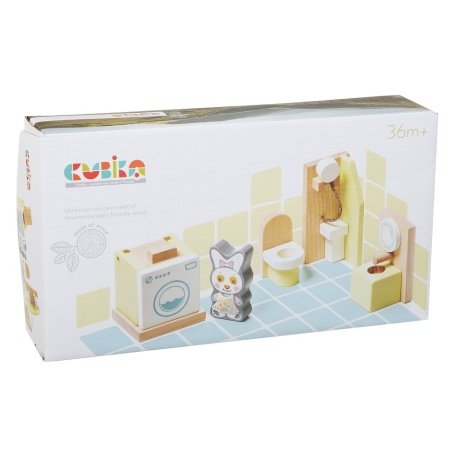
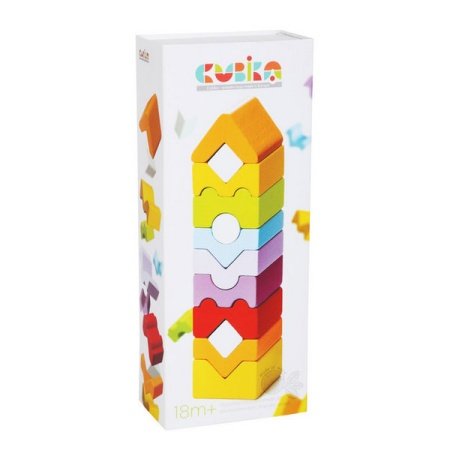
Wooden toys are often simple in design, but it is this simplicity that makes them valuable to children’s development. For example, toys such as building blocks, wooden puzzles or trains are great for developing fine motor skills, hand-eye coordination and logical thinking. They encourage children to use their imagination, create structures or stories, thus developing their creativity.
Wooden toys are not just about learning, but also about sensory experience. The natural structure of wood and the sounds made by wooden toys (for example, hitting a wooden object with a toy hammer) are excellent sensory stimuli and this helps the child’s neuro-sensory development.
Eco-friendly and sustainable toys
In an era where responsible consumption is increasingly important, wooden toys are a symbol of sustainability. Wood is a renewable material and the production of wooden toys can be done with less impact on the environment than plastic toys, which contribute to plastic waste pollution. Additionally, many of these toys are made from wood sourced from sustainably managed forests, which helps protect the environment.
Interactive toys
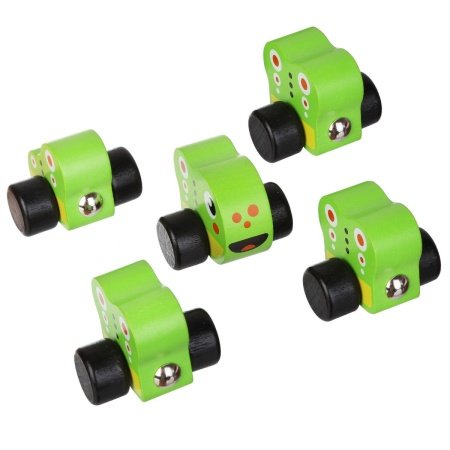
Interactive toys are a modern category of toys that combine entertainment with education through technology. They are designed to respond to the child’s actions, interact with him and even learn based on his behavior. From app-controlled robots and cars to educational games using artificial intelligence, interactive toys are designed to support the development of children’s cognitive and technical skills in an engaging way.
Interactive toys are great for stimulating learning, providing experiences that combine play and education. For example, interactive tablets or books that respond with sounds or images when certain sections are touched help develop vocabulary and learn letters, numbers or colors. Toys that use apps or online programs to create a more personalized learning experience are extremely popular because they allow children to learn at their own pace while having fun.
Interactive toys can also include intelligent construction sets, which use electronic elements to build structures or machines that move, or robots that can be programmed by children to carry out certain commands. These types of toys are great for developing technical skills and introducing children to concepts like coding and robotics. Toys of this type are perfect for children of the digital generation, who are already familiar with technology and interact with digital devices from an early age.
In addition to stimulating cognitive and technical skills, many interactive toys are also designed to support the development of social and emotional skills. For example, toys that allow children to create stories or take on different roles, such as interactive dolls or figurines that talk and interact with the child, help to understand interpersonal relationships, develop empathy and learn about different emotions.
Some interactive toys, such as video games integrated with physical movement (such as console games that use motion sensors), encourage children to be physically active. These games are great for encouraging physical exercise and helping children have fun and learn through active play.
Comparison between wooden and interactive toys.
Although wooden toys and interactive toys are very different, each contributes to a child’s development. Wooden toys are great for hands-on learning, stimulating fine motor skills and encouraging creativity and role play in a simple and natural way. On the other hand, interactive toys use technology to provide a dynamic educational experience, stimulating cognitive development, technical skills and learning through interactive play.
Both wooden toys and interactive toys play an important role in children’s development. The choice between these two types of toys depends on each child’s needs and interests, but in general a combination of traditional and modern toys can provide a balanced and varied learning experience. In the end, regardless of the type of toy chosen, what matters is that they are safe, educational and capable of stimulating children’s imagination and creativity.
latest posts published

Spring in stock: Preserve wild herbs and use them year-round

Everyone really likes wild herbs!

How to make air layering on indoor plants

Distances of trees from the border: what does the law say?

Month of Festivals, Traditions and Taste

🌿 The cold is coming! How to transform the living room into an autumn relaxation corner

From Amaryllis bulb to plant: complete guide!

how to take care of it » Sell Plants Online

Here are the 12 best plants to purify the air (but it’s all false)