

Planting and growing a water lily is not as complicated as it might seem. After seeing how simple the whole process was, I wanted to bring water lilies to my village too. Watch this short video for detailed planting instructions and tips for further cultivation:
This time my interviewer is Vilius Kairys (lelijosziedas.lt). He showed how to plant a newly purchased water lily and how to care for it in subsequent years.
Planting water lilies: why we plant in containers
Once you have the prettiest water lily plant in your hands, the next step is to find a container to plant it in.
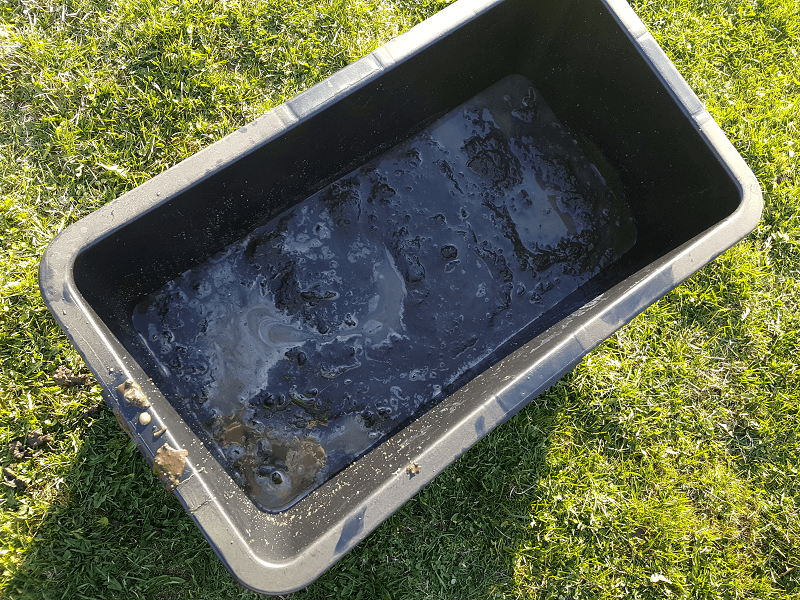
Most often, water lilies are planted in a container because:
- It is convenient to plant (versus having to dig the bottom while squatting in the water);
- It is convenient to react to changes in the water level: to keep the water lily at a certain depth, you can move the container closer to the shore when it floods, and you can move it deeper when the water recedes;
- It is more convenient to continue care: fertilize, inspect overwintering seedlings, transplant, propagate.
It is also possible to plant a water lily in wooden boxes, especially if you want them to rot and rot over time, and the water lily to grow freely in the water.
However, Vilius uses a simple 35-liter plastic box that can be purchased at any hardware store. I must say that I was surprised by the versatility of this box: we have already seen it applied to vases. Gytis Lietvaitis told how he transforms the same box smart pot with watering tank.
Of course, you don’t need a box exactly like this one to plant a water lily – a large plastic bucket or other large container would also work.
What type of soil is needed and how to prepare it
In order for the water not to wash away the earth, it must be:
- Sticky: so choose potting soil instead of sand, which can be washed off quickly: you can use soil from your garden;
- Wet: then mix with water, as even dry soil can be washed out quickly.
The water lily needs a lot of land. It is best to bring them with a wheelbarrow and mix the soil with plenty of water, then transfer it to the planting box.
I just want to make a practical clarification: a large box full of soil will be very heavy indeed, so only work close to the shore! You can’t carry it with your hands, you can only drag it down. Therefore, it is better to plant immediately near the shore, so as not to have to try too hard, otherwise planting a water lily will definitely not leave you the most pleasant impressions 🙂
After mounding the soil, Vilius places fertilizer in the hole. Fertilization doesn’t actually require special, expensive fertilizers for lilies, he says. It is enough to use simple long-acting fertilizers intended for ornamental plants. Pour them quite abundantly: one or even two large handfuls – the roots of water lilies are not afraid of this at all, and after all, there should be enough nutrients for the whole year.
Planting a water lily
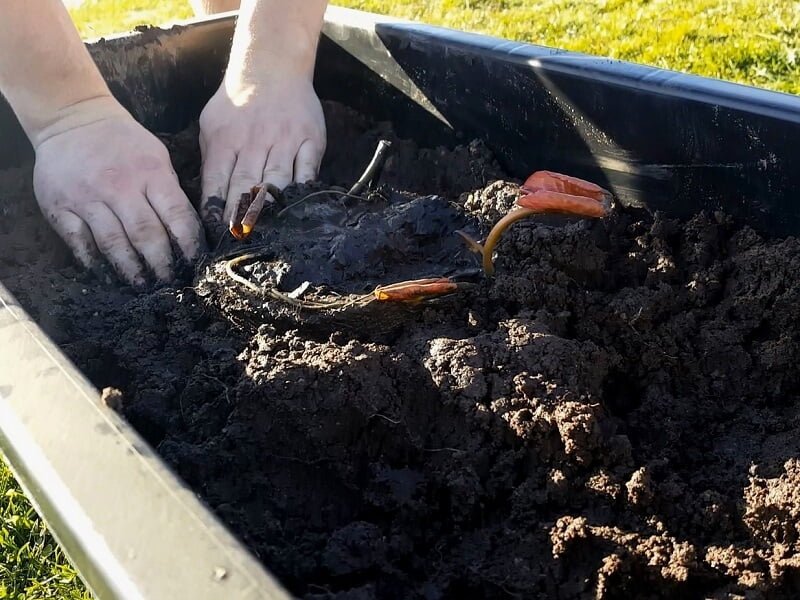
Remove the water lily plant from the pot and plant it in the box so that the soil is at the same height as before in the pot.
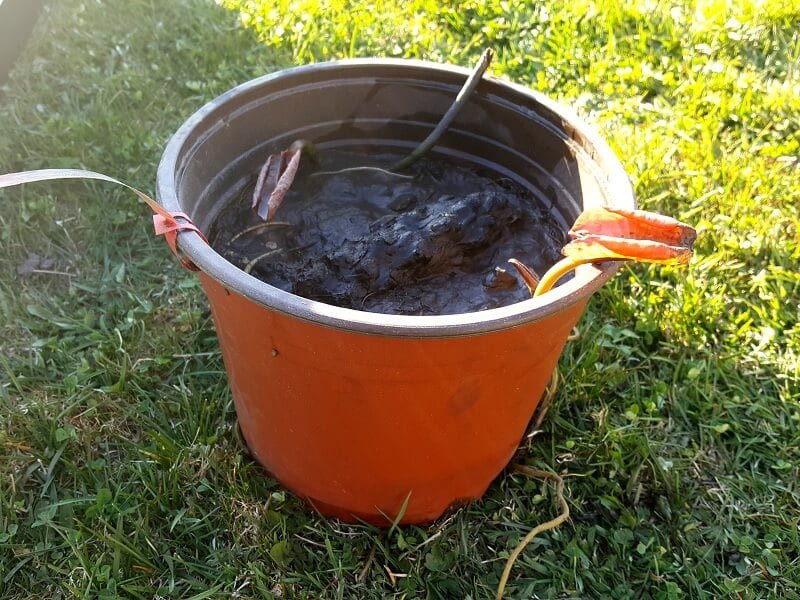
If the root of the seedling is healthy and viable, it is recommended to plant it on the edge of the container, so that it subsequently stretches along its entire length to the other edge of the container.
When I visited Vilias in Telšiai district, he was just planting the water lily ‘Fireball’ brought from Italy. This lily features pink flowers with an interesting round shape. The main root of the plant was already dead, but stems could be seen growing on both sides. In this case, it is planted right in the center of the container so that any growth goes on its side.
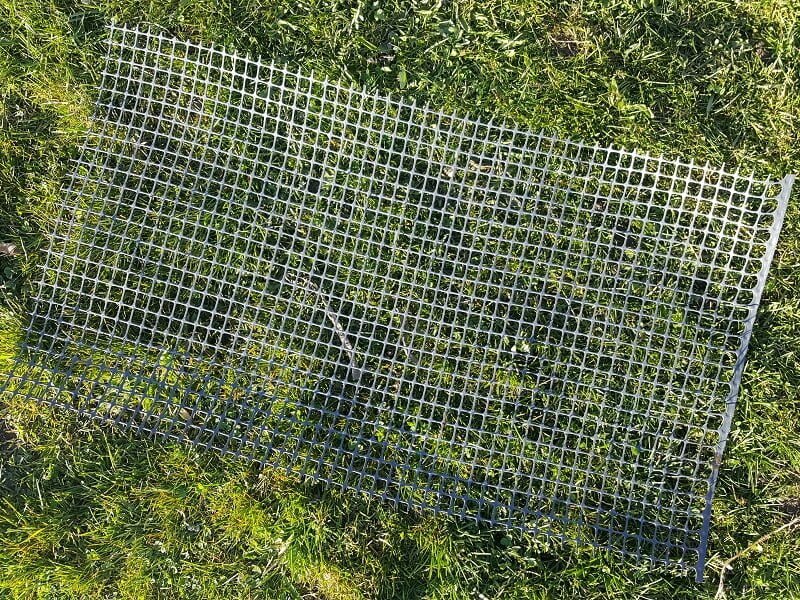
Another practical tip: if larger carp or crucians grow in the pond, they can eat the soil in the container. Then, after planting the water lily, attach a simple, construction-grade plastic netting to the top of the container. Make holes through which the lily can crawl out and grow upwards. If there is no risk of fish, the net is not necessary.
At what depth to grow water lilies
One of the most frequently asked questions is: at what depth should I place this water lily container? Vilius says it’s ideal when the container is up to 70cm deep.
Of course there are exceptions (extremely small or very powerful), but then look at the specific race.
A depth of up to 70 cm is usually optimal. If the water lily grows too deep, its vegetation may be longer, it will bloom later, the flowers may be crushed, so the result may not be exactly what you expect.
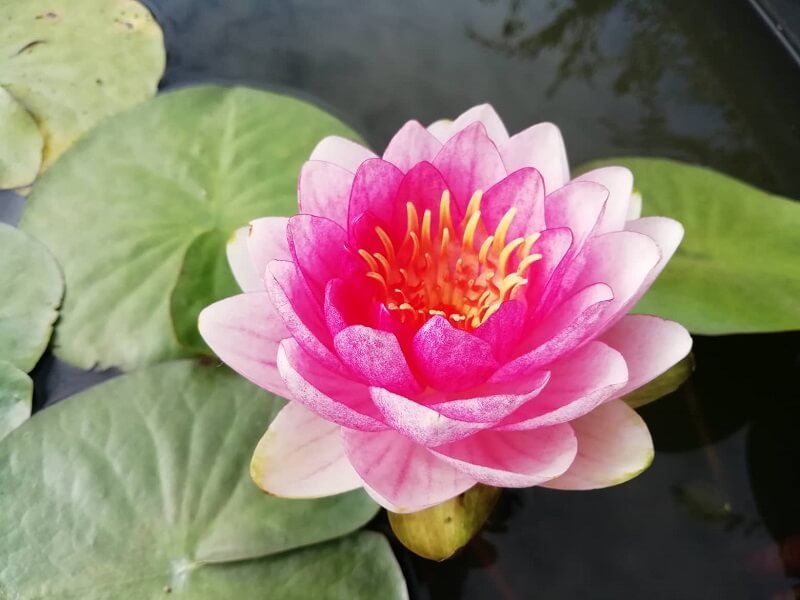
Too shallow a depth can be disastrous for water lilies, so it’s best to grow them in a container that you can move if necessary.
Do water lilies need to be fertilized?
And how to fertilize next year? It’s quite simple: if the water lily is planted deeply, add exactly the same fertilizer to the roots of the growing plant, only in a different form: like these turrets.

Further cultivation of water lily
Many beautiful varieties of water lilies winter well in Lithuanian conditions. Vilius examined the water lily ‘Sobieski’ planted three years ago. He took the container out of the pond to evaluate the condition of the plant after the winter.
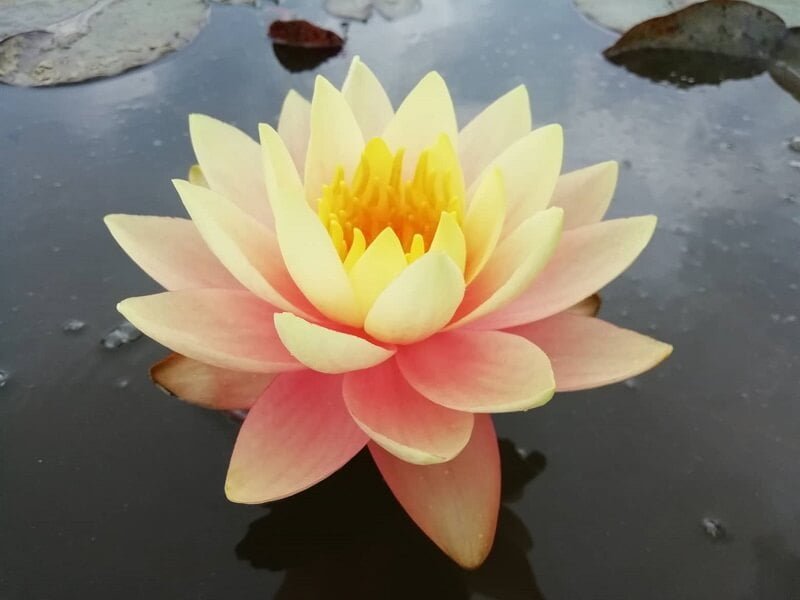
The water lily releases stems and accumulates buds starting in autumn. Where the ice doesn’t reach, the plants don’t freeze there.
After you take out the container in the spring, you can not only inspect and evaluate it, but also fertilize it for that year. Since it will no longer be possible to spread fertilizer, Vilius uses the same long-acting fertilizer, only glued together. It is enough to insert such a tower of fertilizer to the roots and the fertilization for that year is already finished.
READ ALSO:
About other moisture-loving plants that can decorate the shore of the pond: «The most beautiful plants for a farm near a pond, lake or river.»
If your pond is consistently turning green, here’s how we handle the problem: «By destroying the reeds: we are cleaning up the green shore of the lake.»
We organize «Gardening on the farm» courses for those who have a larger surface area. The advice of an experienced specialist will certainly be useful to you: from intelligent planning of farm spaces to advice for farm plants. We will help you resolve problem areas in your plot.
latest posts published

4 ideas to protect a summer kitchen from the sun
Why choose a roll-up pool cover? Advantages and disadvantages
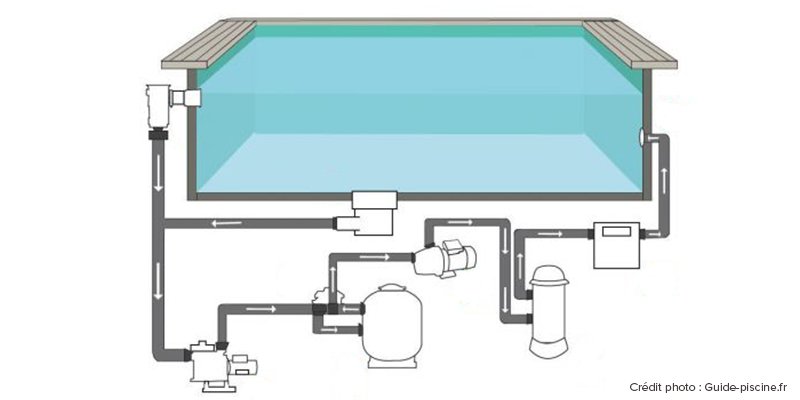
12 questions/answers on swimming pool filtration

Transform your garden into a bohemian and natural corner

Organize your balcony and terrace with a small garden furniture
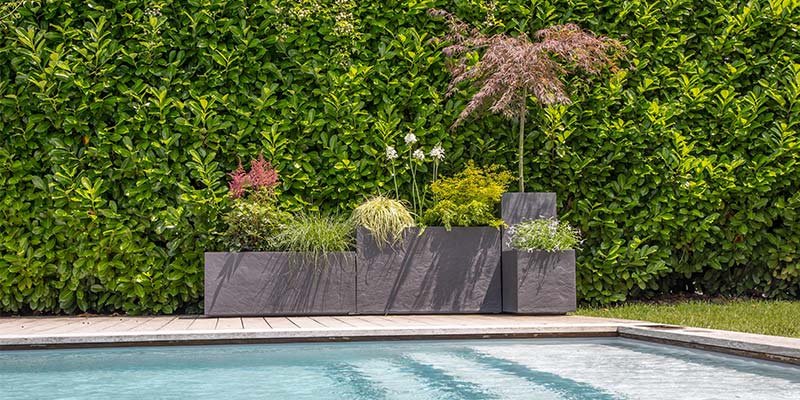
Volcania EDA flowerpots to decorate your terrace or balcony

Which XXL pots to choose for an olive tree or a palm tree?

Our Top 3 for perfect lighting!

Which above ground pool should I choose based on my needs and budget?