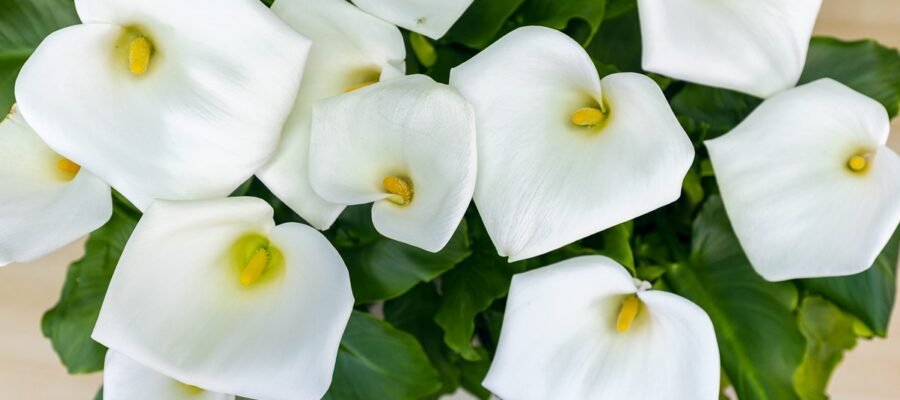
Pre-order your calla lilies now! Ladies and gentlemen, hold on tight, because today we’re talking about one of the most popular flowers of all time! The calla lily (Ethiopian calla lily) is captivating with its elegance and timeless charm. Whether in the garden, in a pot, or indoors, it’s a welcome guest. That’s why we want to share more about it today! Relax and dress elegantly—we’ll take you into a world of style 😉 Ethiopian Calla Lily
Etymology
Although we all call it a calla lily (a name originally given to the genus by Linnaeus and still used today), it actually belongs to the genus *Zantedeschia*.
Its name itself reveals the plant we’re talking about: «Calla» comes from the Greek word «kalos,» meaning «beautiful.» In short: this flower has always been highly valued!
Both the common and scientific names of the calla lily (*Zantedeschia*) contain an interesting detail. The name was given by the German botanist Kurt Sprengel and dedicated to his Italian botanist friend Giovanni Zantedeschi, with whom he maintained close correspondence.
In literature, its correct name is *Zantedeschia aethiopica* (Linn.) Spreng., thus attributing the initial description to Linnaeus and the current binomial nomenclature to Sprengel.
The species name «aethiopica» derives from the species’ place of origin, not present-day Ethiopia, but rather to the then-known southern region of the world, roughly south of the Sahara Desert.
In English, its common name is *Arum lily*.
Taxonomy
We have once again entered the fascinating world of the Araceae family, whose diversity and charm are always breathtaking. Plant enthusiasts will recognize this classification because Araceae plants share many common characteristics, the most prominent of which is their beautiful spadix inflorescence.
The genus *Zantedeschia* comprises eight species of rhizomatous or tuberous perennials, typically growing in moist, swampy soils and commonly found along waterways in East and South Africa.
Note: Do not confuse *Zantedeschia aethiopica* with other *Zantedeschia* species, such as *Z. elliottiana* and *Z. rehmannin*, or their newer commercial hybrids. These hybrids are usually distinguishable by their colored bracts and spotted leaves. They are less hardy than *Zantedeschia aethiopica* and should be kept in a cold frame during the colder months, except in areas with mild winters.
Morphological Description
*Zantedeschia aethiopica* is a rhizomatous, stemless perennial herb that is evergreen in areas with mild winters.
It has basal leaves (leaves close to the roots and appearing to sprout from them), with long, spongy petioles. The leaf blades are arrowhead-shaped or obtuse.
Its flowers are characteristic of plants in the Araceae family: the inflorescence consists of a bright yellow spadix. Male flowers (stamens) are borne at the upper part of the spadix, while female flowers (fruits) (1-2 cm) are borne in the lower quarter. The spadix is enclosed by a white spathe (a special bract, essentially a modified leaf accompanying the flower).
- Flowering begins in late winter and continues until late summer.
- When fully mature, the plant can reach a height and width of approximately 90 cm.
- Distribution
- Native to South Africa and Lesotho.
- Cultivation and Care of Calla Lilies
Calla lilies (Z. aethiopica) can be grown indoors as potted plants: they are generally evergreen but require a summer dormancy period.
More commonly, this plant is used outdoors, both in flower beds and as aquatic plants, such as along lake shores and stream banks. When planting near water, use pots with a diameter of 25–30 cm filled with a thick substrate. The pot must be completely submerged in water, with the soil surface level with the water level.
Temperature
Calla lilies (Z. aethiopica) can tolerate winter temperatures as low as -5/-10 °C (H4 according to the Royal Horticultural Society (RHS), USDA zones 8–10), thus they are hardy and can grow throughout the Iberian Peninsula, except for the northern foothills and alpine regions.
In frost-prone areas, it is recommended to cover the soil with dry leaves, straw, or well-rotted manure in late autumn (in colder regions, the plant will typically enter dormancy and lose some or all of its leaves).
Alternatively, in colder regions, the rhizomes can be dug up before the first frost and stored in a cardboard box in a cool, dark, dry place.
The ideal temperature for indoor cultivation is approximately 20 °C (68 °F); at this temperature, the plant tends to remain evergreen.
Generally, you should be aware that sudden temperature fluctuations can damage the plant.
Location: In winter, autumn, and early spring, calla lilies need as much light as possible, including direct sunlight. In warmer months, a cool, sheltered location is more suitable. Potted calla lilies grow best in partial shade.
Generally, calla lilies prefer full sun but can also tolerate partial shade well.
Watering:
Since calla lilies are marsh plants, the pot should always be kept a few centimeters deep with water, for example, using a saucer. Alternatively, it is recommended to keep the soil consistently moist and ensure the substrate does not completely dry out during the growing season.
After flowering, gradually reduce watering until the soil is only slightly moist. A good practice is to stop watering at the end of summer to allow the plant to enter dormancy, with the rhizome drying out completely for at least two months. This initiates dormancy. Resume watering at the beginning of winter, gradually increasing the amount as new shoots grow.
After flowering, gradually reduce watering until the soil is only slightly moist. Substrate
This plant is not demanding in terms of its growing environment: as long as the soil is moist, well-drained, and acidic, alkaline, or neutral, it will thrive. We continue to recommend our tried-and-tested substrates, such as One Plus, One, or Florenpot.Unless you intend to cultivate it as an aquatic plant (in which case we recommend heavy soil), please note that while it prefers consistently moist conditions, a well-draining substrate is still crucial.
If you wish to mix your own substrate, we recommend mixing equal parts peat moss and leaf mold, with a generous amount of sand and charcoal powder added.
Fertilizing
Fertilizing should be done during the growing season, especially during flowering. Fertilize approximately twice a month with a liquid fertilizer specifically for flowering plants diluted in a watering can. It is recommended to slightly reduce the amount of fertilizer used (compared to the instructions on the package); if fertilizing every two weeks, halve the monthly amount.
Propagation
Propagation can be done by division. Make sure to retain one or more buds on each rhizome segment. Alternatively, you can sow seeds from seed pods. However, this method generally results in slower growth.
If you wish to propagate from bare rhizomes, plant them in the soil at a depth of 5-10 cm in spring (March/April or at the latest after the last frost to May). It is recommended to space the bulbs 40-50 cm apart, as calla lilies have large leaves and require ample growing space.
Soil Care: As mentioned earlier, the soil must be kept moist.
Choose a sunny but cool location.
You can find instructions for planting bulbous calla lilies here!
Calla Lilies: Pruning
Heavy pruning is not necessary. However, after the first frost, remove all blackened leaves and keep the plant moist, avoiding any dry patches. Repotting Repotting can be done as needed. Calla lilies are typically repotted every two years.
Pests and Diseases
Calla lilies are susceptible to aphids and thrips. These can be controlled with specialized insecticides. They are also susceptible to fungal diseases, bacterial rot, and viruses, but to a lesser extent.
However, their biggest enemy is slugs, which will greedily devour their leaves. Besides traditional slug control products (which are highly toxic and can be fatal to animals and humans), other methods exist to control these pests, such as using rock powder.
Toxicity
Beauty hides danger: Calla lilies are indeed highly poisonous (ingestion only) and harmful to both humans and animals. The plant sap can irritate the skin and eyes. Therefore, it is recommended to wear gloves and/or other protective equipment when handling these items.
latest posts published
Spring in stock: Preserve wild herbs and use them year-round
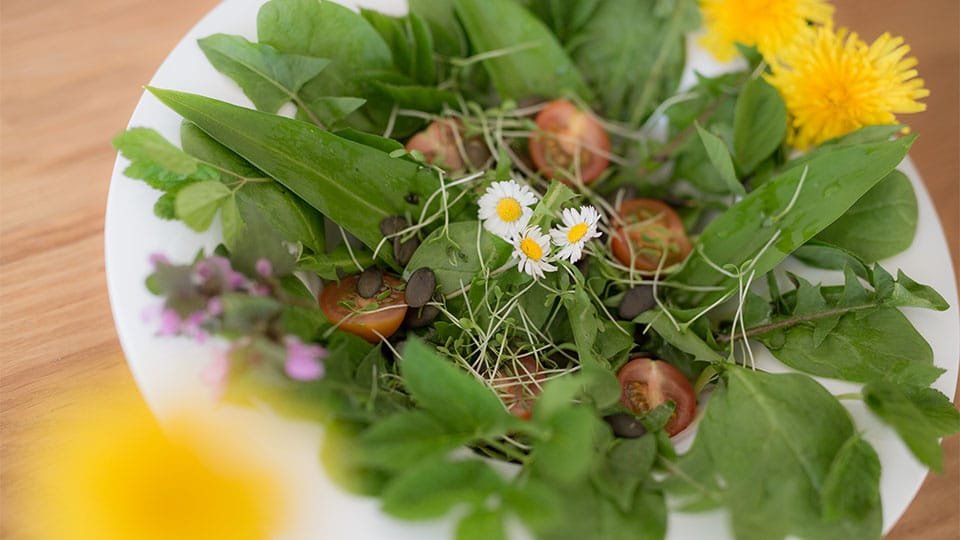
Everyone really likes wild herbs!
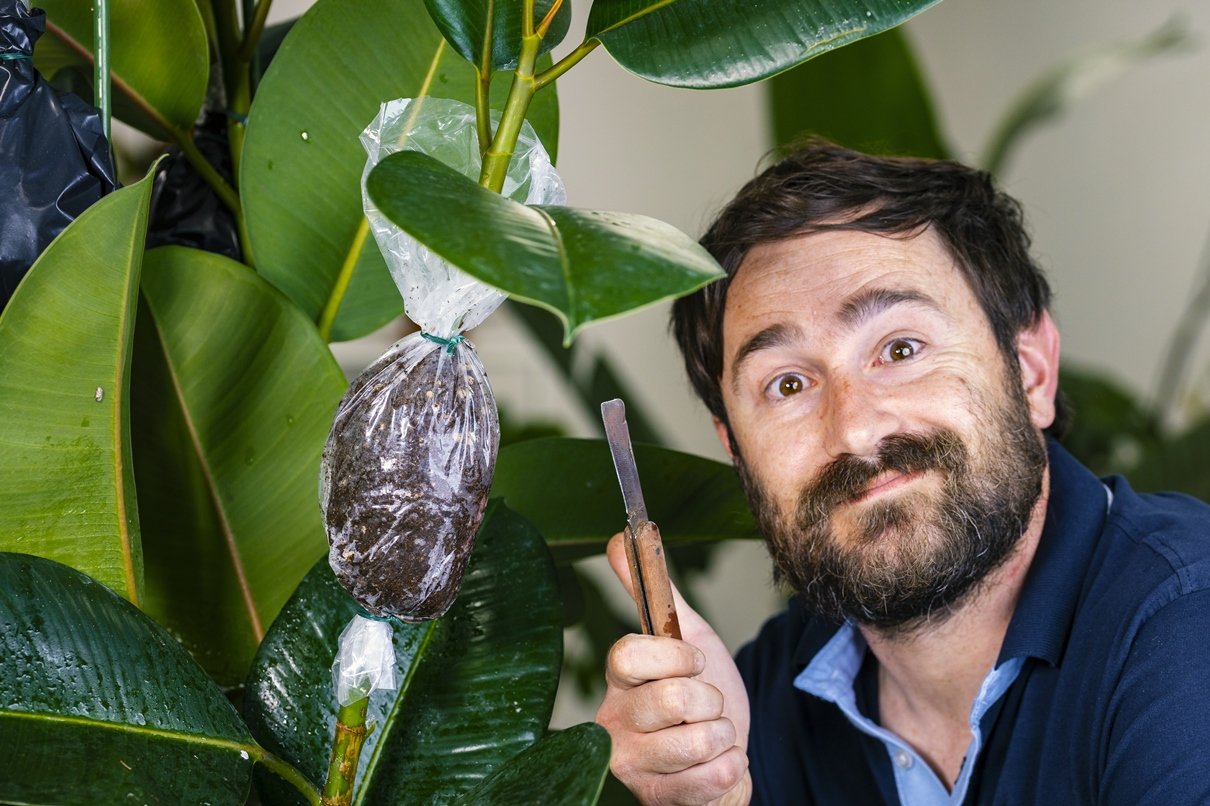
How to make air layering on indoor plants

Distances of trees from the border: what does the law say?

Month of Festivals, Traditions and Taste

🌿 The cold is coming! How to transform the living room into an autumn relaxation corner
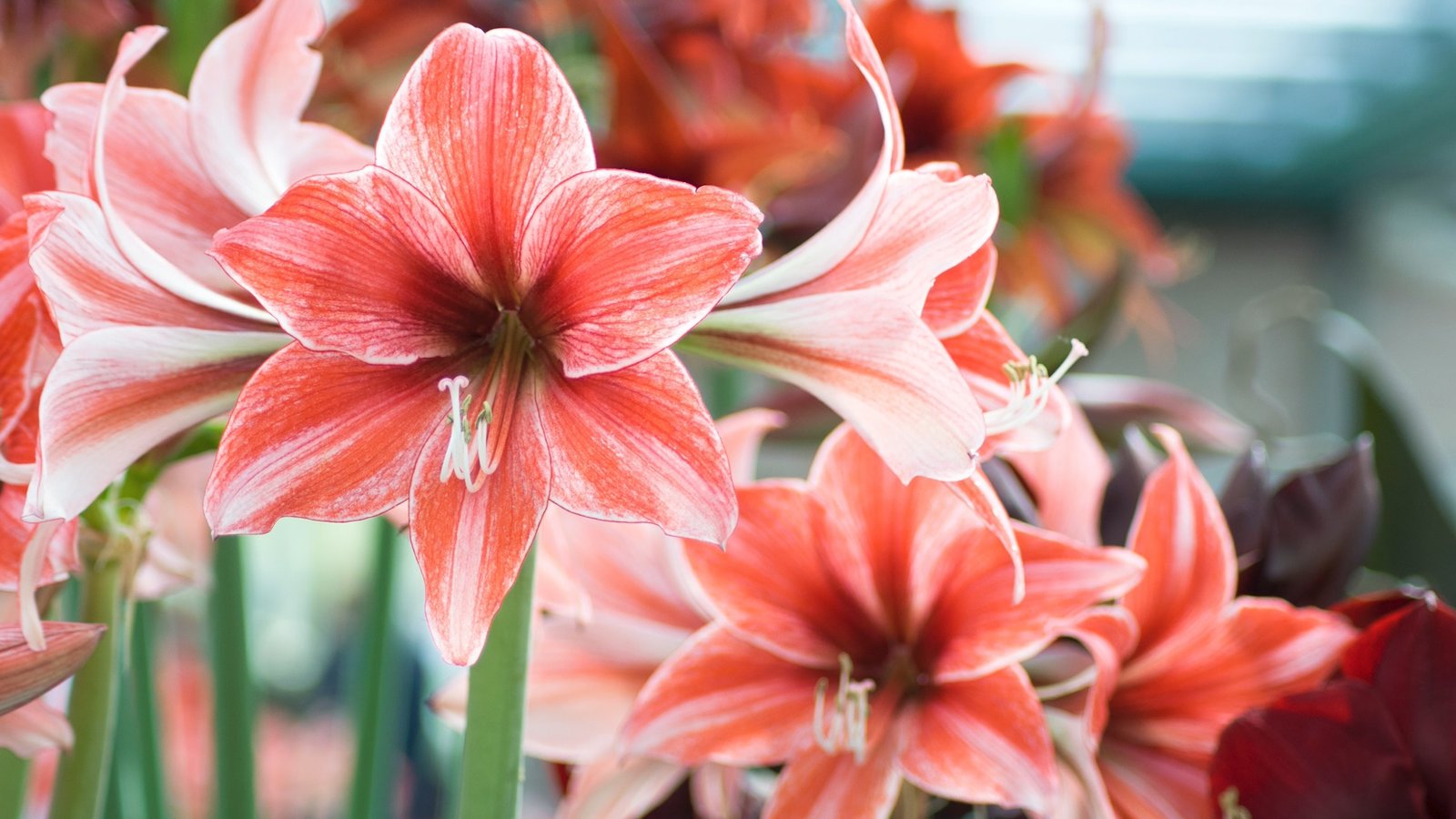
From Amaryllis bulb to plant: complete guide!
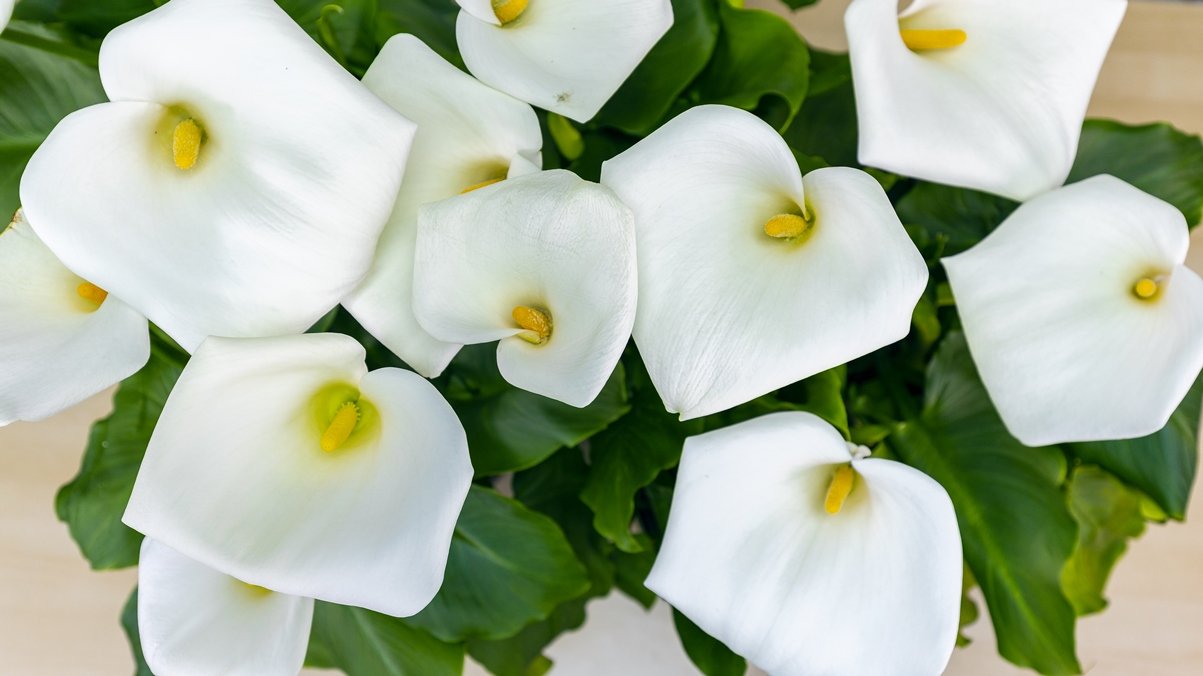
how to take care of it » Sell Plants Online

Here are the 12 best plants to purify the air (but it’s all false)