When creating a simple space, every decision counts. From the furniture arrangement to the color palette, every choice influences the atmosphere and functionality of the room. But how to design a room efficiently and without stress? This is the central question that this article will answer through twelve simple steps.
1. Tidying up made easy
Decluttering often comes first in any decorating or interior design project. Whether you’re renovating an existing room or imagining an empty space, the main idea is the same: eliminate the superfluous to make room for the essential. This means getting rid of unnecessary items, things you no longer need or value. Before adding anything to your space, take the time to think about its relevance and usefulness. By adopting this approach you will build a harmonious and refined interior design, where each element finds its right place.
2. Set the mood
Ask yourself: what feeling do you want to create in your space? Then let this answer guide you in choosing colors, textures, furniture and decorations. For example, a zen and light atmosphere can inspire minimalist furniture and natural materials. For a dynamic and relaxed family environment, opt for bright colors and bold patterns.
3. Get inspired
Take inspiration from various sources such as social media, interior design magazines, books and websites. Explore the places where you feel best and analyze what creates that mood. Whether you live alone or with other people, take advantage of this opportunity to design a space that suits you and meets the needs of everyone in your home.
4. Be realistic
Rather than getting carried away by an idealized vision of your life, base the design of your space on your daily reality. If you have an active family or rambunctious pets, opt for durable materials that maintain their beauty despite abuse. On the other hand, if you live alone and invitations are rare, there is no need to large dining table. For those who work from home, turn a corner of the living room into an office instead of settling for a makeshift space. And above all, establish a realistic budget before starting your purchases to better manage your expenses.
5. Plan your space
You don’t need to be a design expert to plan the layout of your room. If you’re not comfortable with complex software, don’t panic! There are simple solutions. Grab a pen and paper, sketch out your layout ideas, or use masking tape to mark the location of furniture directly on the floor. This will give you a sense of scale and flow in the room. Before making any purchases, take precise measurements of your space. This will help you avoid surprises, like a sofa that’s too big to fit through the door or a coffee table that doesn’t fit.
6. Choose a color palette
When choosing the color palette for your room, it’s important to make a decision beforehand, whether you choose neutral tones or bright, eye-catching colors. If you prefer neutral tones, you can always add a pop of color with interchangeable accessories. On the other hand, if you’re drawn to bright colors like blue, choose three complementary shades to maintain visual interest. And don’t forget, let your personality speak through the colors you choose!
7. Start with the finishes
If you’re opting for a cosmetic transformation rather than a full renovation, start by considering how to take advantage of existing finishes like flooring, wall color, and fixtures to revitalize and personalize your space without undertaking a major renovation. If you’re working with an already furnished room, play with texture, color and lighting to create a new atmosphere. If you are starting from scratch, focus first on the finishing touches, such as floors, wall painting, covering materials or lighting systems, before introducing furniture and accessories. This will allow you to build your project on a solid and harmonious foundation.
8. Choose your main furniture first
When planning your living room layout, start by selecting your centerpiece, often a Sofabefore addressing the other details. Investing in the most important and expensive items first will help you focus on quality where it matters most. This will help you keep a realistic view of your budget and better visualize the space available for other furniture once the main pieces are in place.
9. Select Secondary Furniture
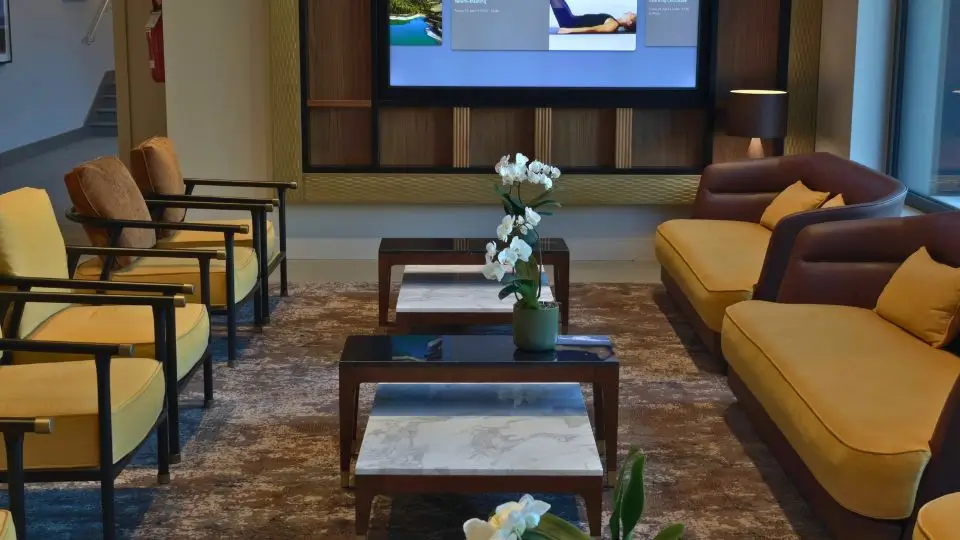
It’s time to take care of the secondary furniture that will complete your layout. Pay close attention to the details and functionality of this furniture so that it pairs perfectly with your sofa and other statement pieces. Whether it’s coffee tables, shelves or ottomans, make sure they fit well with the overall aesthetic of the room and also meet your practical needs. Take the time to choose pieces that add character and functionality to your space, while reflecting your personal style.
10. Choose fabrics
Now that you have an idea of how your room will take shape, it’s time to choose the finishes that will bring warmth and style to your space. Choose soft rugs, elegant curtains and fabrics such as bedding, throws and decorative pillows to complement your main furniture. These elements not only add color and pattern, but also texture to your room,
11. Light up the room
Bring your room to life now by playing with lighting. Choose elegant table lamps, bold pendant lamps or street lamps to create a warm and welcoming atmosphere. Play with brightness by adding accent lamps to illuminate dark corners and create different atmospheres depending on the time of day.
12. Accessorize
Now that your room is taking shape, it’s time to add the finishing touches with carefully selected accessories. Add decorative elements like vases, candles, artwork and plants to bring your space to life and give it a pop of personality. Play with textures and colors to create a harmonious balance. Don’t forget that accessories are that little extra that will make your room unique and warm, so have fun choosing them and arranging them according to your instinct and style.
When designing a room, every detail counts to create a space that breathes life and functionality. With careful planning and limitless creativity, each piece becomes a functional work of art.
latest posts published
How the chair influences the decor of a space

Ideas for decorating your home for Christmas
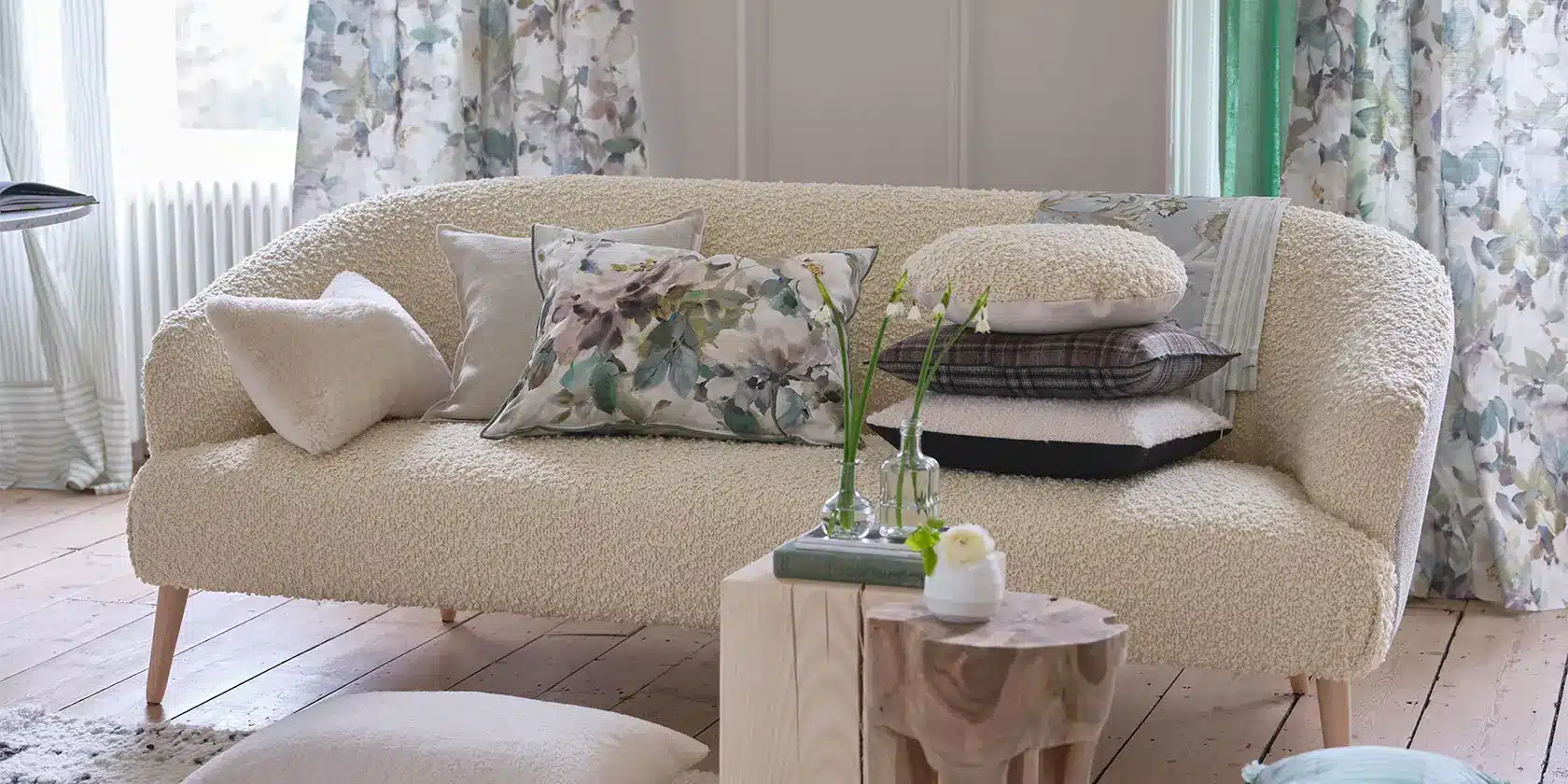
Winter fabrics for home decoration: ideas and advice
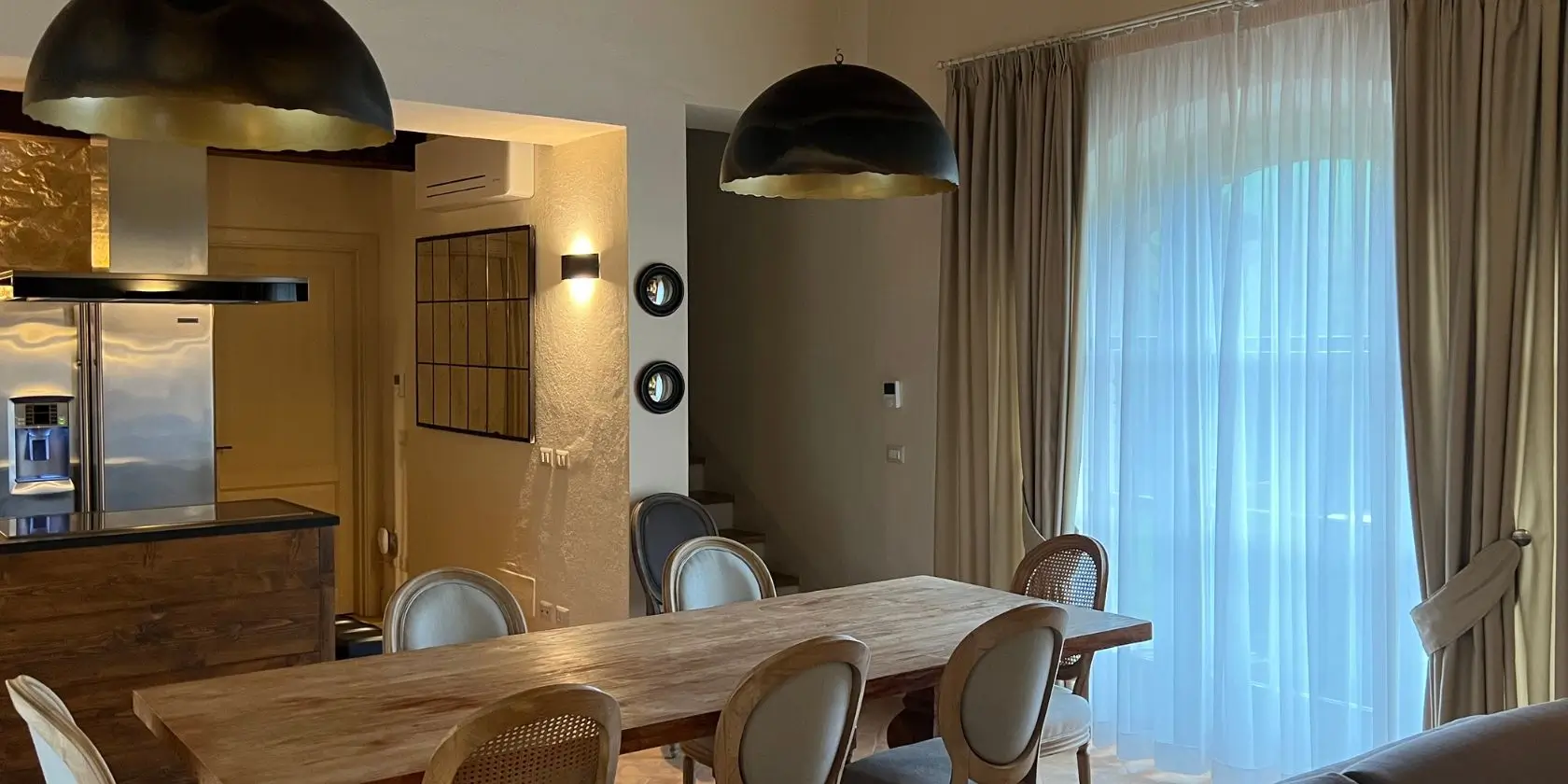
Furnishing farmhouses and barns: rustic elegance in Tuscany
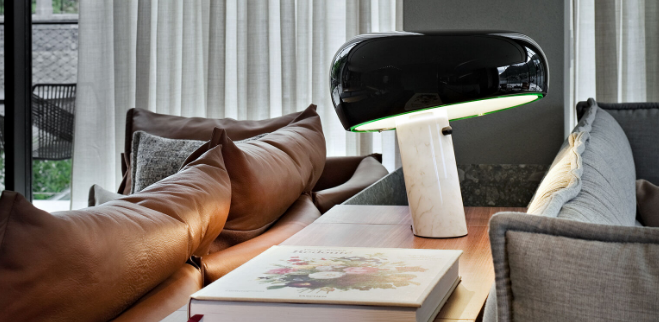
Flos Portugal luminaires: sophisticated Italian design
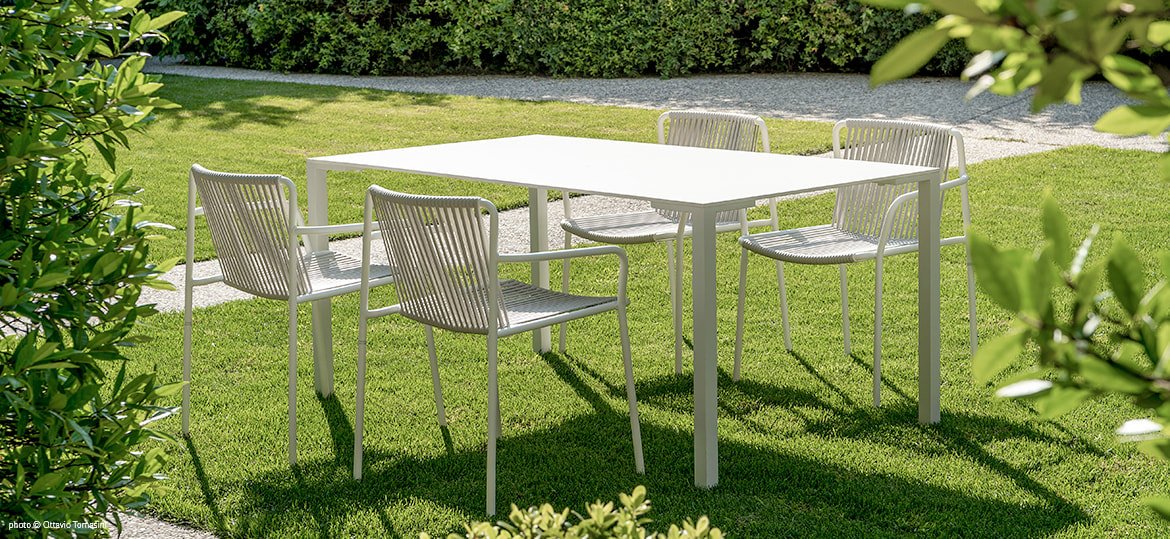
Pedrali Outdoor: the complete guide to Italian furniture and design
Rugs and carpets – Tailored elegance and comfort
Design of the layout of the Miramaia Shopping Food Court

Comfortable chair or correct posture?