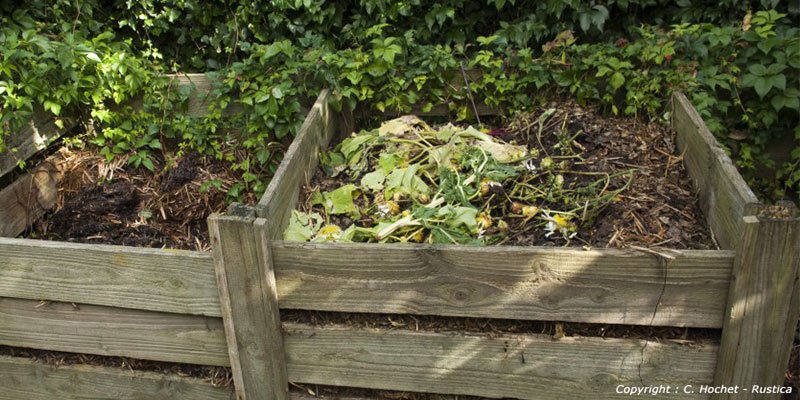
Making compost from green waste from the garden or home is something anyone can do. With good equipment, a little know-how and a little patience, recycling green waste will allow you to obtain quality compost to nourish the soil in your garden and vegetable patch.
Why make your own compost?
Create your own compost it is at the same time An economic but also ecological gesture. In fact, adding compost to your garden and vegetable patch can dramatically reduce fertilizer use in your garden. It provides nutrients in quantity to the soil, your plants will be more resistant, more floriferous and will produce succulent fruit.
The other advantage is the recycle domestic green waste. You will therefore have fewer containers to take away, without forgetting that you will no longer have to travel to take your waste from the garden to the separate collection.
Saving time, money, all while respecting the environment, what more could you ask for!
The choice of composter
The compost bin you choose must meet several criteria to be functional and efficient:
- Count on a 1 m³ composter for 500 m² of garden.
- Access from the front of the container must be easy to carry out the various waste transfer or tipping operations.
- It must be stable, possibly equipped with a peg to push it into the ground.
- Opt for models made of recycled plastic or untreated rot-proof wood.
- Choose a container with ventilation doors on each side to ensure good ventilation. These openings should not be too wide to prevent the compost from drying out.
- The bottom of the tank must be perforated to allow the water to drain and allow the passage of organisms that rise from the ground.
Rustica’s advice for Jardideco: Place 2 to 3 silos next to each other. The first will be dedicated to young compost, the second to turning operations and the last to maturation.
What to put in the compost pile?
- Incorporate wet and rapidly decomposing waste into the compost such as vegetable peelings, lawn clippings, mature fruit and vegetables, carrot or leek tops but also weeds as long as they have not gone to seed.
- You can also add waste with a medium decomposition time such as egg shells, tea bags, coffee grounds or dead leaves.
- Alternate with layers of slowly decomposing dry waste such as untreated sawdust, crushed branches and twigs, shredded cardboard or even straw.
What not to throw in the compost?
Some Under no circumstances should pathogenic or toxic elements be added to the compost :
- Do not throw animal waste or excrement into the compost.
- Avoid plastic materials or glass.
- Don’t feed the compost to invasive weeds or plants contaminated with diseases or pests.
Rustica’s advice for Jardideco: Add nettle manure to your compost from time to time, it accelerates the decomposition of the elements.
How to prepare compost?
To compost successfully you need to perform several steps:
- Grind branches and twigs, hard leaves and straw with a plant shredder first, otherwise they will take too long to decompose.
- Alternate a layer of green waste (clippings, bark, etc.) which decompose quickly, with a layer of crushed brown waste (branches, straw, dead leaves, etc.). Layers 20cm thick will work well.
- Water your compost pile often, especially in summer, because if it is dry it will take much longer to decompose. Microorganisms and some worms may suffer from this drought and no longer be active.
- Turn the compost pile occasionally to aerate it.
- Add nettle manure once a month to stimulate decomposition.
Rustica’s advice for Jardideco: Make sure you maintain a balance between the input of wet waste and dry waste. Too large a quantity of the former would cause the compost to rot and bad odors would develop; a significant addition of the latter would slow down its decomposition.
conlusion
Composting green waste from the garden or home is a simple yet highly effective practice that anyone can adopt. By transforming organic waste into nutrient-rich compost, you not only reduce household waste but also create a natural fertilizer that significantly improves soil quality. This sustainable approach supports healthier plant growth while minimizing the need for chemical products.
With the right equipment and a basic understanding of the composting process, achieving good results is accessible to everyone. Balancing green and brown materials, maintaining proper moisture, and allowing enough time for decomposition are key factors in producing high-quality compost. Although it requires a bit of patience, the process is straightforward and rewarding, especially when you begin to see the benefits in your garden.
Composting also plays an important role in environmental conservation. By recycling organic waste, you reduce the volume of garbage sent to landfills and lower your environmental footprint. At the same time, you contribute to a more circular and responsible use of resources, turning what would be waste into a valuable asset for your soil.
In conclusion, composting is an easy, economical, and eco-friendly practice that brings multiple benefits to both your garden and the environment. With minimal effort and a little dedication, anyone can produce quality compost and create a more sustainable and productive gardening routine.
latest posts published
4 ideas to protect a summer kitchen from the sun
Why choose a roll-up pool cover? Advantages and disadvantages
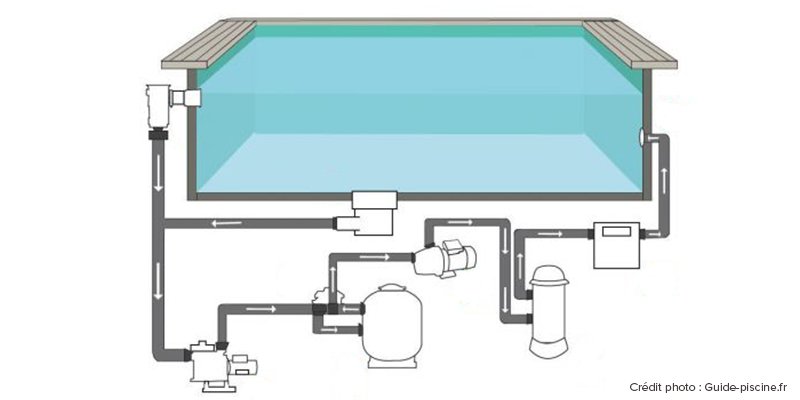
12 questions/answers on swimming pool filtration
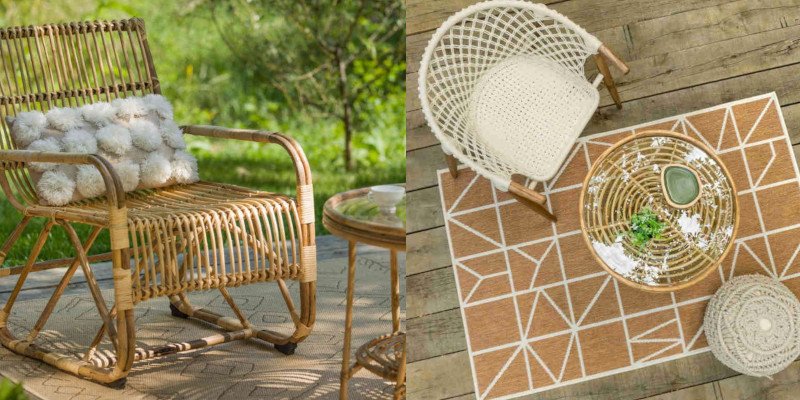
Transform your garden into a bohemian and natural corner

Organize your balcony and terrace with a small garden furniture
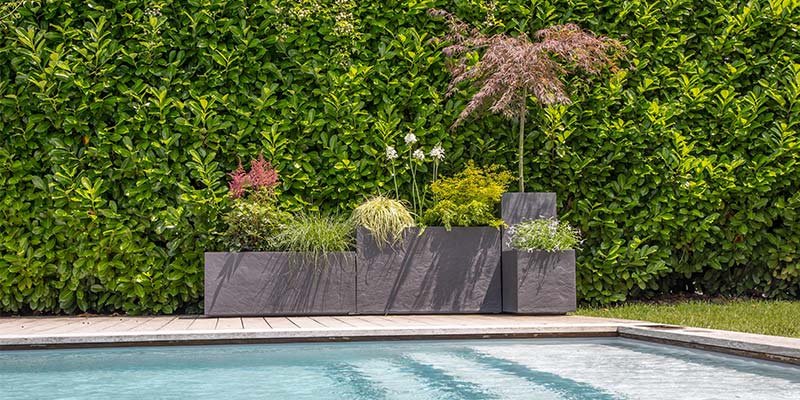
Volcania EDA flowerpots to decorate your terrace or balcony

Which XXL pots to choose for an olive tree or a palm tree?

Our Top 3 for perfect lighting!

Which above ground pool should I choose based on my needs and budget?