
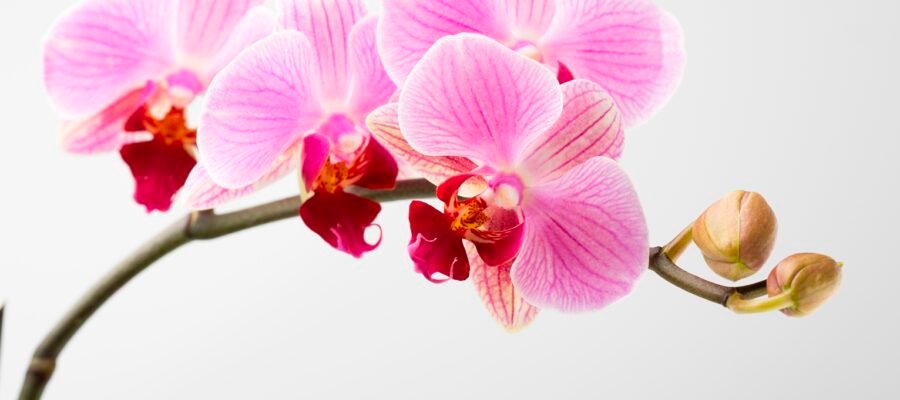
We have already talked about these splendid exotic flowers in the past: in this article we continue the discussion by going into a little more detail about their treatment and their maintenance, with advice definitely more practical.
The family of orchidaceae includes an enormous variety of spontaneous species and hybrids: for simplicity, however, it is useful to divide these truly singular and interesting plants into just three groups, depending on the different temperature regimes required:
- Freddo: for species grown in cold greenhouses;
- tempered: for those grown in warm greenhouses;
- heat: for species grown in hot greenhouses.
Some species of orchids they are difficult to grow indoors. This subdivision allows even the less experienced to choose the specimens that can give the best results, i.e. those that are simplest to care for.
Cold greenhouse orchids
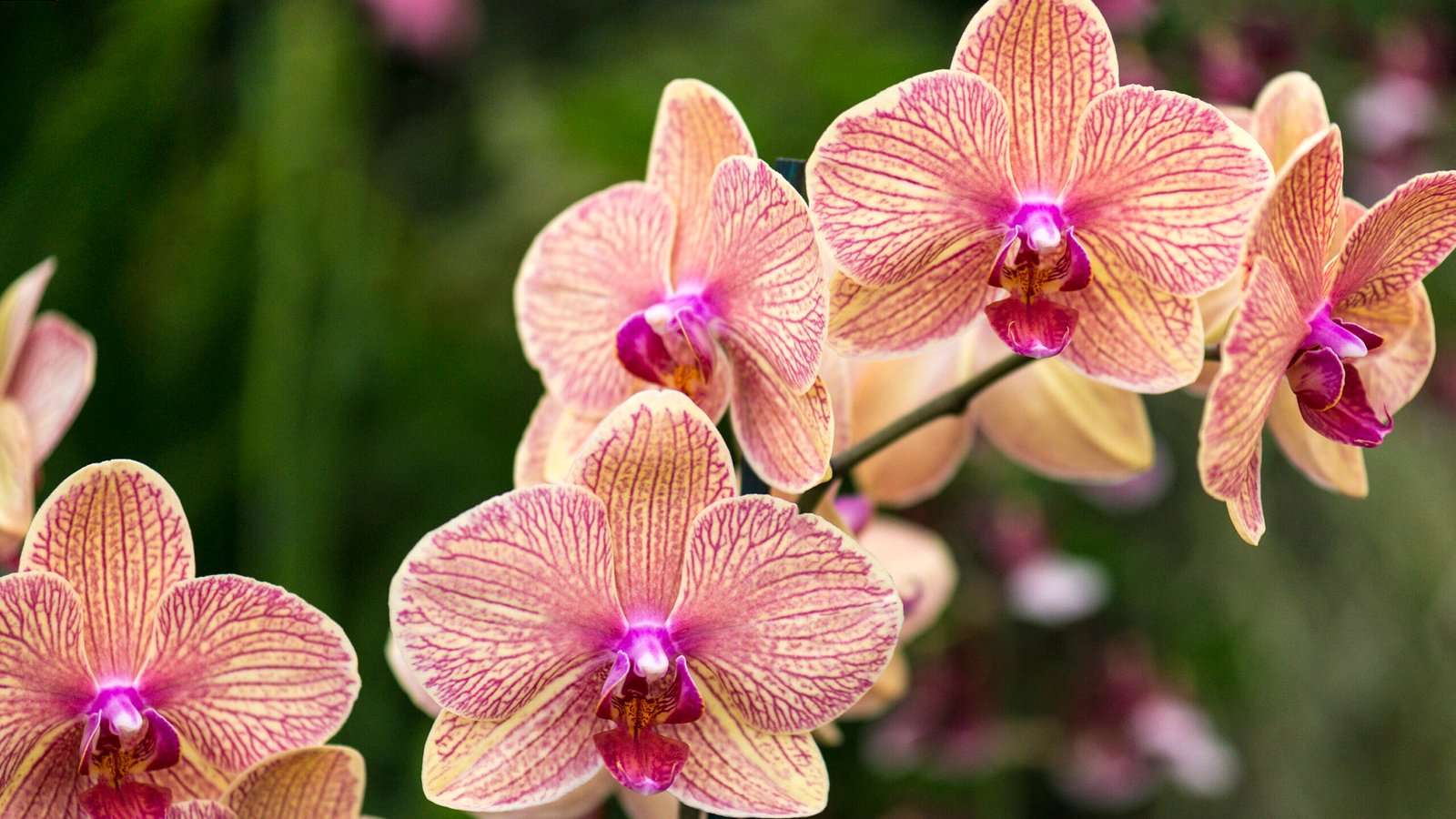
Plants that fall into this group require a minimum winter night temperature of 9°C and a daytime temperature of 16°C.
In summer, it is best to try to provide a maximum temperature of 16-24° C for these varieties. Equally important is not to lack good ventilation, while avoiding drafts: the cold shock caused by a breath of fresh air can cause the shoots to fall, the arrest of all development and even the death of the plant.
Cymbidium Dendrobium and some species of Paphiopedilum and of Cattleya they are genera of cold greenhouse orchids, all in all easy to grow.
Warm greenhouse orchids
Plants that belong to this group require a temperature winter night minimum of 13° C and a daytime average above 24° C.
Most hybrids of Cattleya, Oncidius, Odontoglossus, Miltonia and the most demanding Paphiopedilum with mottled leaves need these conditions.
Warm greenhouse orchids
Orchids that require warm greenhouse conditions are difficult to grow at home.
A minimum daytime temperature of 18°C is required all year round; in winter, daytime should be at least 21°C, with 24-29°C in summer.
Normally it is impossible to meet the needs of these plants in terms of environmental humidity and ventilation.
To successfully grow specimens such as Phalaenopsis, Angraecum And Vanda a greenhouse is therefore recommended.
Hot and humid
To grow well all orchids they need a degree Of humidity decidedly high (75-85%).
To be able to secure it to cold greenhouse specimens you will have to place the containers on saucers filled with wet gravel; on hot days it is important mist the plantsmaking sure that the foliage is dry before exposing them to light.
Only the The noble dendrobium and a few other varieties tolerate drier air.
The warm and hot greenhouse varieties need to be sprayed more regularly and require a humid environment: a requirement rarely compatible with the needs of the walls and furnishings of the house!
The wettings
The watering needs of orchids vary depending on the species, season and temperature.
As a general rule, water abundantly in summer, every 2-3 days, strictly using warm water. In winter it is optimal to water every 2-3 weeks.
Whatever the season, the soil must be almost dry before watering abundantly again.
It is advisable to always give the drink in the morning, to allow the condensation to dry as much as possible, before night falls.
On very hot days theOdontoglossus it may require much more water than the others orchids.
Given the delicacy of the plant, if the tap water is alkaline, use rainwater.
If grown on a piece of bark or in baskets, orchids should be immersed in a container with water until air bubbles stop rising to the surface; remember to let the plants drain before hanging them again.
The rest period
In order to flower, most orchid species require a rest period, which varies from one species to another: for some, just a week is enough, others have a quiescence of a few months.
For orchids that lose their color in winter foliagethe quantity of water administered must be reduced in step with the yellowing, then wetting only enough so that the plant does not shrivel during the period of quiescence (in which it is without leaves).
You will need to resume watering carefully as soon as there are visible signs of vegetative growth.
Orchids that retain foliage are more susceptible to loss of humidity: you must give them water in a slightly higher quantity than that given to deciduous genera.
Dendrobium And Cattleya they require a rest period between one flowering season and another and no water should be administered until the first signs of vegetation appear.
The brightness
Provide orchids with enough light for their leaves to carry out the process of photosynthesis: one good lighting it is essential, as long as the plants are not exposed directly to the sun.
However, each species has particular needs: the Paphiopedilum needs shade and hates direct sun while there Cattleya requires much more light.
Fertilization
It is necessary to provide the orchids with some fertilizer to integrate the poor soil nourishment. During the growing season, fertilize the plants every three waterings: if the tips of the leaves turn brown, stop fertilizing.
It is possible to prepare compote fertilization directly into the house, making sure it is well moist before starting: prepare a mixture of two parts sphagnum moss, two parts bark fragments and one part moss peat.
Drainage
THE compost for orchids it is subject to decomposition, especially due to poor drainage: repot and eliminate the old soil, without damaging the root system.
It is not strictly necessary, but I recommend placing some shards at the bottom of the plastic pots (up to about a third of the height of the pot): this will provide greater weight and stability, as well as improve drainage.
How to pot
Avoid pressing the compote too much; tap the pot with small sharp blows to facilitate the settling of the soil around the roots.
latest posts published

How the chair influences the decor of a space

Ideas for decorating your home for Christmas
Winter fabrics for home decoration: ideas and advice
Furnishing farmhouses and barns: rustic elegance in Tuscany

Flos Portugal luminaires: sophisticated Italian design
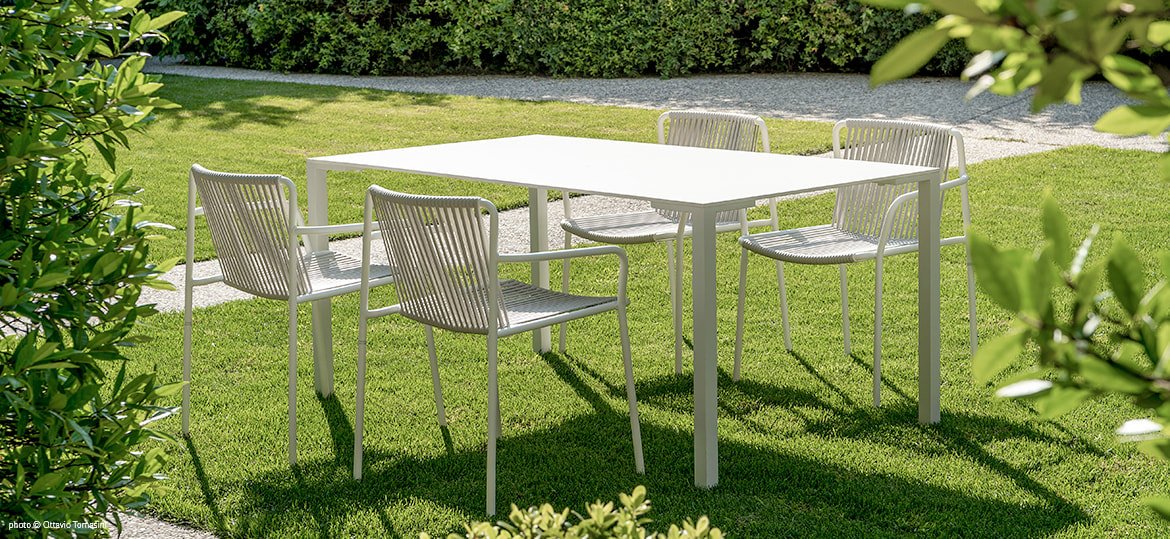
Pedrali Outdoor: the complete guide to Italian furniture and design

Rugs and carpets – Tailored elegance and comfort

Design of the layout of the Miramaia Shopping Food Court

Comfortable chair or correct posture?