Modern or contemporary sofa style: what’s the difference?
In sofa design, the terms “modern” and “contemporary” are often used interchangeably, but they actually describe two distinct styles. Understanding the difference between these two styles is essential for those seeking to do so create aesthetically pleasing and functional spaces. In this article we will examine the origins, characteristics and practical applications of modern and contemporary design.
The modern design style
The modern design style arose in the early 20th century as a reaction to the traditional styles that previously prevailed. It quickly established itself as a revolutionary movement in the fields of architecture, interior design and furniture. Key features of modern design include simplicity, functionality, and an emphasis on industrial materials.
One of the origins of modern design dates back to the Bauhaus movement, founded in Germany in 1919. The Bauhaus supported the union between art and industry, emphasizing functionality, rationality and simplicity of form. This approach quickly spread throughout the world, influencing many architects and designers.
In modern design, form follows function. Clean lines, simple geometric shapes and the absence of superfluous ornaments are characteristic elements. Industrial materials such as glassSteel and concrete are widely used, often left exposed to highlight their materiality and purity.
Modern architecture is characterized by bold, innovative structures, often featuring flat roofs, sash windows, and abundant use of glass to let in natural light. Architects such as Le Corbusier and Ludwig Mies van der Rohe contributed significantly to the development of modern architecture with iconic works.
Contemporary design style
Contemporary design style emerges as an evolution of modern design, reflecting the trends, technologies and values of today’s society. Unlike modern design, which is defined by a specific period of the 20th century, contemporary design is constantly evolving, adapting to cultural, technological and social changes.
Contemporary design embraces diversity and experimentation, with a more eclectic and individualized approach. Unlike modern design, which often emphasizes pure functionality, contemporary design places equal importance on aesthetics and personal expression.
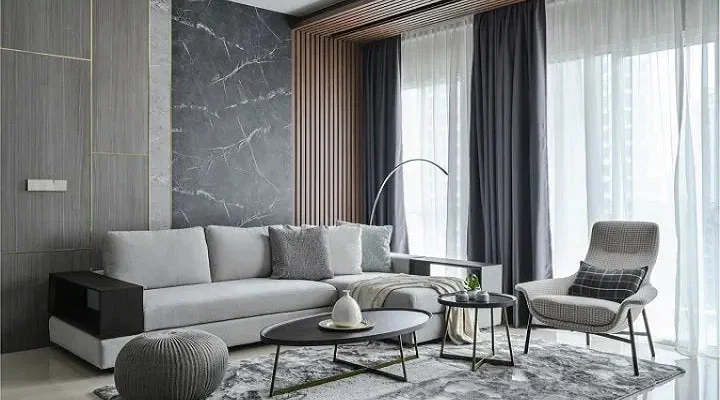
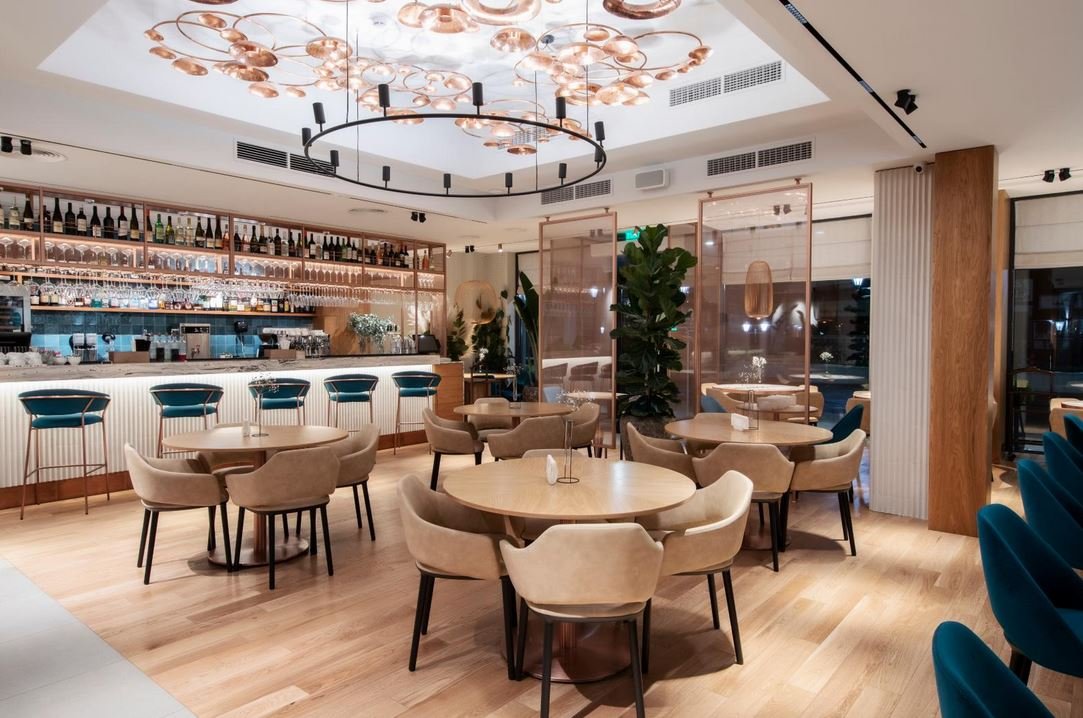
The main characteristics of contemporary design include the use of clean lines, organic shapes and varied materials. Unlike modern design, which often favored industrial materials, contemporary design incorporates a wider range of materials, including wood, stone, metal and even recycled materials.
The emergence of new technologies has also had a significant impact on contemporary design. Innovations such as 3D printing, virtual reality and smart materials have opened up new creative possibilities for contemporary designers. This allowed them to explore previously unimaginable forms and concepts.
Contemporary design is also influenced by environmental and social concerns. Many contemporary designers seek to incorporate sustainable practices into their work, using recycled materials, designing green buildings and promoting more environmentally friendly lifestyles.
In the field of furniture and interior design, contemporary design is characterized by unique and expressive pieces that reflect the personality and lifestyle of their owners. Contemporary designers like Philippe Starck and Patricia Urquiola create iconic pieces that challenge convention and push the boundaries of design.
Comparison between modern and contemporary style
Both styles share a commitment to simplicity and functionality. They seek to eliminate unnecessary ornamentation in favor of refined aesthetic and practical solutions. In both cases, form follows function, prioritizing clarity and utility of the design.
Modern and contemporary design are both associated with innovation and experimentation. They have been influenced by technological advances, social changes and new ideas. This pushed them to push the boundaries of creativity and design.
While modern design is characterized by clean lines, simple geometric shapes and the use of industrial materials, contemporary design is more eclectic and diverse. It incorporates a wider range of materials, shapes and styles, with a preference for personal expression and individuality. Furthermore, the colors of the modern style tend more towards neutral and natural while those of the contemporary style revolve more around white and black.
When to choose one style rather than another?
If you are attracted to simplicity, clarity and timeless elegance, modern design may suit your tastes. On the other hand, if you prefer a more eclectic, expressive and personalized aesthetic, contemporary design may be better suited to you.
If your priority is pure functionality and practical solutions, modern design might meet your needs. Its clean lines and efficient use of space make it a wise choice for environments where functionality is key. However, if you are looking for a more expressive aesthetic and greater creative freedom, contemporary design offers greater flexibility and a greater variety of styles and materials.
The context in which the project will be integrated can also influence your choice. For example, a modern building can integrate harmoniously into an urban neighborhood, while a contemporary building can bring a touch of innovation and dynamism to a more traditional environment.
If you are concerned about environmental and social issues, contemporary design can offer more sustainable and responsible solutions. Many contemporary designers incorporate eco-friendly practices into their work, using recycled materials, designing energy-efficient buildings and promoting sustainable lifestyles.
In conclusion, understanding the difference between modern and contemporary design is essential to creating aesthetically pleasing and functional spaces. By exploring characteristics, similarities and differences between these two styles, we can better appreciate their evolution and impact on the world of design.
latest posts published
How the chair influences the decor of a space

Ideas for decorating your home for Christmas
Winter fabrics for home decoration: ideas and advice
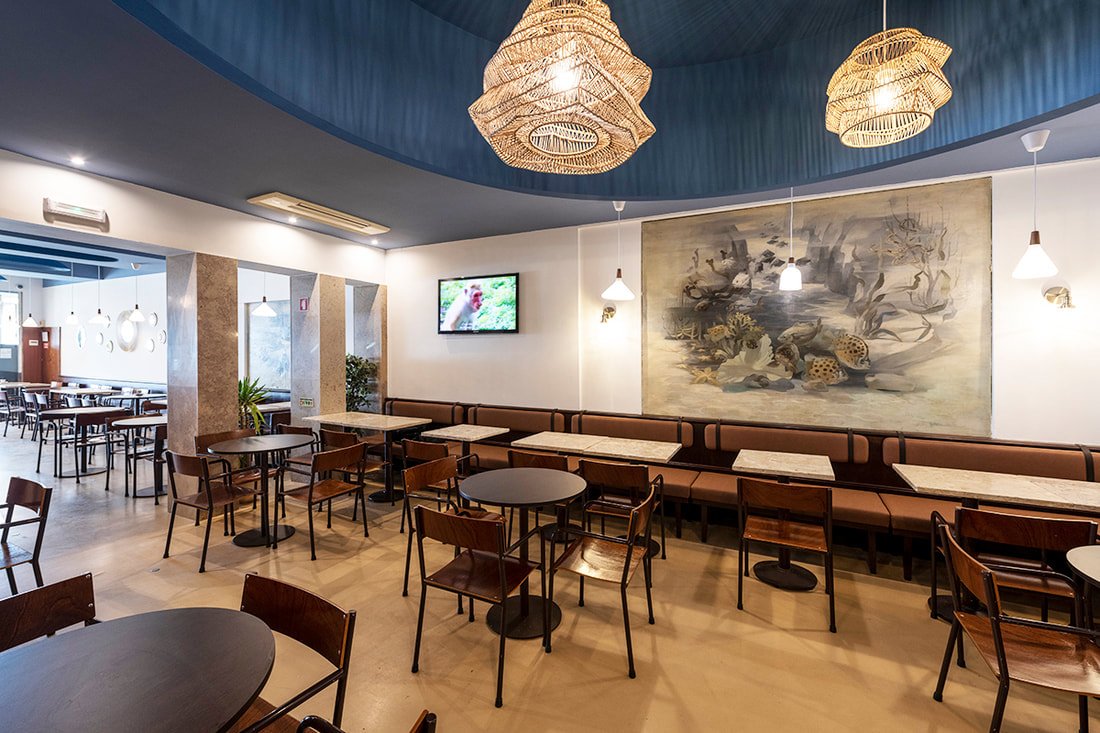
Restaurant decoration: remodel and furnish your space
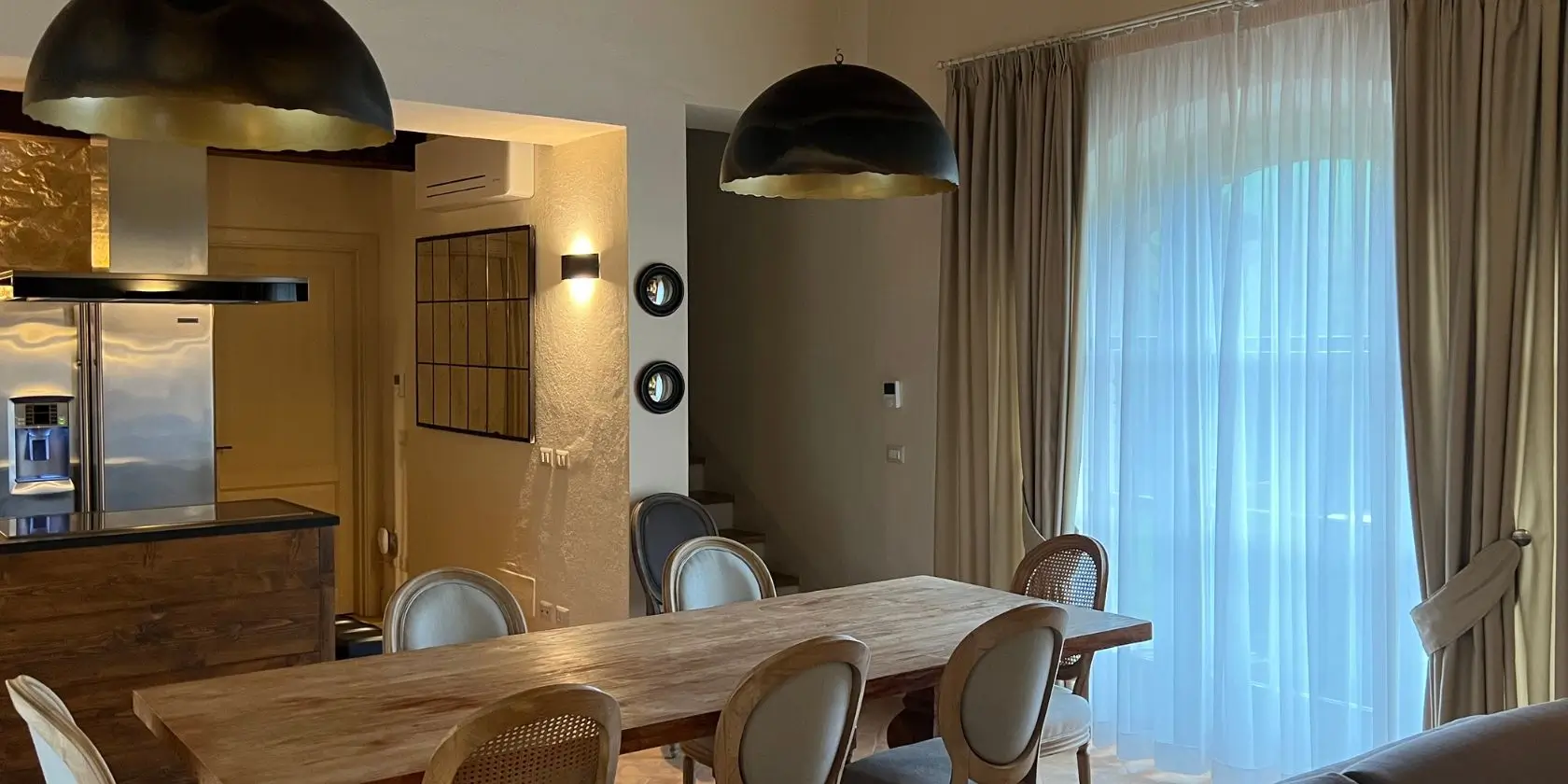
Furnishing farmhouses and barns: rustic elegance in Tuscany

Flos Portugal luminaires: sophisticated Italian design
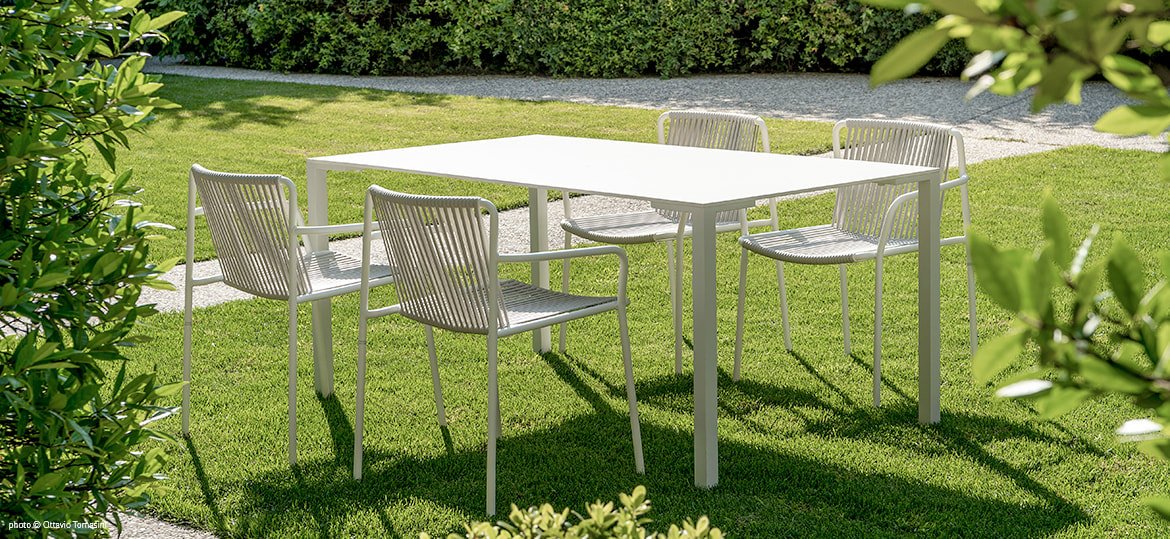
Pedrali Outdoor: the complete guide to Italian furniture and design
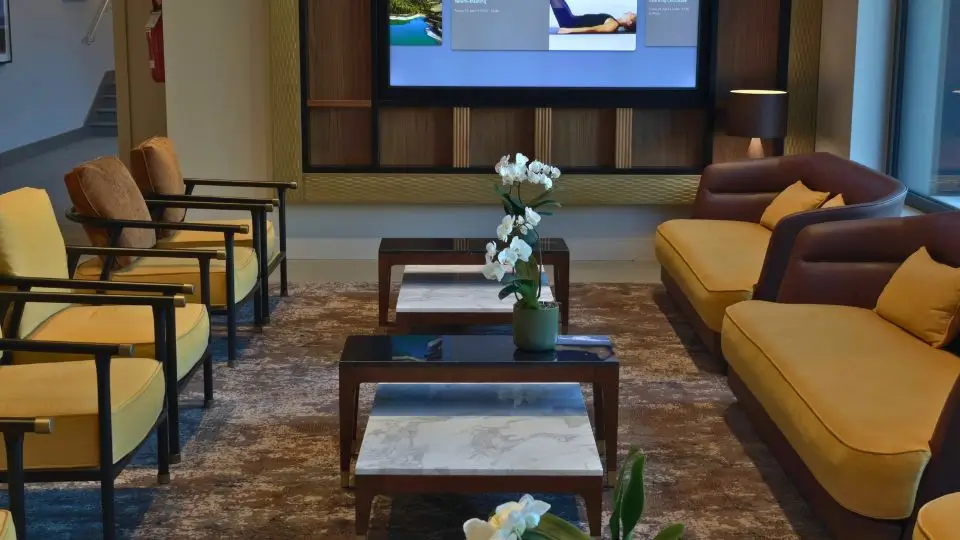
Rugs and carpets – Tailored elegance and comfort
How to decorate a restaurant and attract more customers!