Natural fibres, which are both aesthetic, durable and environmentally friendly, are becoming established as first choice materials for the manufacture of furniture and decorations. Among the many options available, seven fibers stand out for their unique qualities: bamboo, rattan, water hyacinth, sisal, coconut, jute and palm leaf. Discover how these natural fibers adapt to modern interiors while tackling ecological challenges.
In a context where ecology and sustainability are becoming priorities, natural fibers are attracting more and more attention in the world of design. Whether furniture, accessories or decorative objects, these materials offer aesthetic and functional alternatives to industrial products made of plastic or treated wood. In Asia, Africa and Latin America, local communities harness these renewable resources to create unique, eco-friendly pieces.
Among these natural fibers, seven versatile and popular materials stand out: bamboo, rattan, water hyacinth, sisal, coconut palm, jute and palm leaf. To illustrate the types of products you can find in your living room, bedroom or even kitchen today, here is a guided video tour of a showroom in Vietnam featuring products made from these natural fibres.
Bamboo: strength and timeless aesthetics
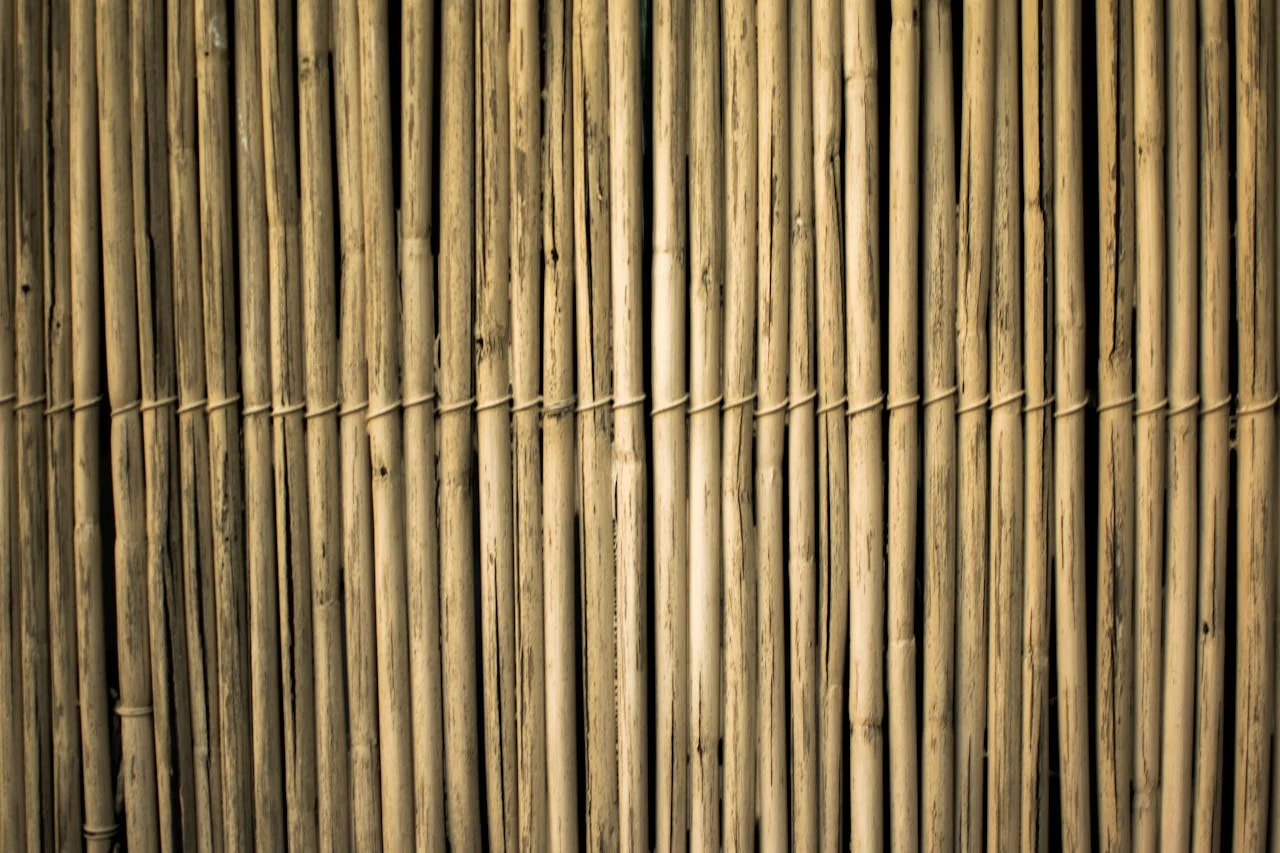
Used for centuries in Asia, bamboo is a natural fiber renowned for its lightness and strength. Its exceptional growth rate (up to one meter per day for some varieties) makes it a highly renewable resource.
In the field of furniture, bamboo lends itself to numerous applications: tables, chairs, shelves and even bed bases. Bamboo fibres, when treated, provide a smooth, shiny surface that adds a natural touch to any interior. Furthermore, this material is extremely durable: it resists humidity and insect infestation, ideal for tropical regions.
Bamboo is also popular for decorative accessories such as lighting, wall panels and kitchenware. Its versatility makes it the favorite choice of designers interested in ecology and aesthetics.
Rattan: a must of artisanal design
Rattan, from the palm family, is one of the most popular materials for making indoor and outdoor furniture. It stands out for its flexibility and ease of manipulation, allowing the creation of complex shapes and unique designs. Traditionally used in tropical regions, today rattan is a symbol of elegance and durability.
Rattan is often transformed into armchairs, sofas, pendant lamps or screens. Its artisanal style fits perfectly with contemporary interiors and bohemian trends. Furthermore, rattan fibers can be dyed or painted to meet different aesthetic needs. The easy maintenance of this material increases its popularity.
Water hyacinth: a sustainable and aesthetic alternative
Invasive in some regions of the world, especially in Southeast Asiawater hyacinth is an aquatic plant that often poses ecological problems. However, this natural fiber has established itself as a raw material with great potential in craftsmanship. Water hyacinth, an algae that thrives in the Mekong Delta, has become one of the main natural fibers of “Made in Vietnam” products.
Once dried and woven, water hyacinth can be made into rugs, baskets or even armchairs. Its fibers have a soft texture and natural appearance that give a warm and authentic touch to any living space. The recycling of this invasive plant for the production of decorative objects constitutes a sustainable and innovative solution, while generating economic opportunities for local communiti
Sisal: a resistant and multifunctional fiber
Native to Central America, sisal is a fiber extracted from the leaves of the agave plant. Extremely durable, it is mainly used in the manufacture of carpets, ropes and baskets. Thanks to its robustness, sisal is ideal for intensive use, particularly in public spaces or high traffic areas.
In the field of decoration, sisal is appreciated for its natural appearance and its neutral shades which adapt perfectly to minimalist and refined interiors. Furthermore, this fiber is fully biodegradable, further increasing its attractiveness to environmentally conscious consumers.
The coconut palm: an underexploited resource
The coconut tree, symbol of tropical regions, offers an extremely versatile natural fibre: coconut fibre. The latter is obtained from the outer shell of coconuts and is mainly used for the manufacture of carpets, mattresses and padding.
Coir is stiff and durable, making it an ideal choice for products that require long life. Additionally, it has natural insulating properties and moisture resistance, making it perfect for outdoor applications. Integrating coir into interior design is also a way to promote a renewable resource while supporting sustainable practices.
Jute: an ecological and economical fibre
Native to South Asia, jute is a natural fiber often nicknamed «golden fiber» due to its shiny appearance. This biodegradable and renewable material is mainly used to make carpets, curtains, baskets and bags.
Jute is very popular in the field of interior decoration thanks to its rustic appearance and its natural tones which create a warm and organic atmosphere. In addition to being eco-friendly, it is also economical, making it a popular option for designers looking to combine aesthetics and sustainability.
The palm leaf: a traditional tropical resource
Palm leaves, widely available in tropical regions, are a resource often exploited for crafts. Woven by hand, they are made into baskets, hats, rugs and even lightweight furniture.
This natural fiber stands out for its lightness and resistance. Furthermore, its use supports traditional artisan techniques and contributes to the preservation of local know-how. Products made from palm leaves add an exotic and eco-friendly touch to modern interiors.
Natural fibers such as bamboo, rattan, water hyacinth, sisal, coconut palm, jute and palm leaves offer innovative and eco-responsible solutions for furniture production by factories and workshops. Their versatility, unique aesthetic and low environmental impact make them the preferred choices in a world where sustainability is at the center of concerns. Adopting these materials not only means taking a step towards more responsible consumption, but also supporting the artisanal know-how of local communities. A trend to follow and encourage for modern and busy interiors.
latest posts published
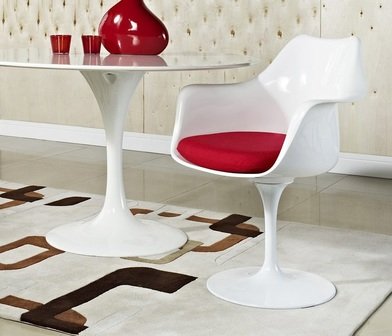
How the chair influences the decor of a space

Ideas for decorating your home for Christmas
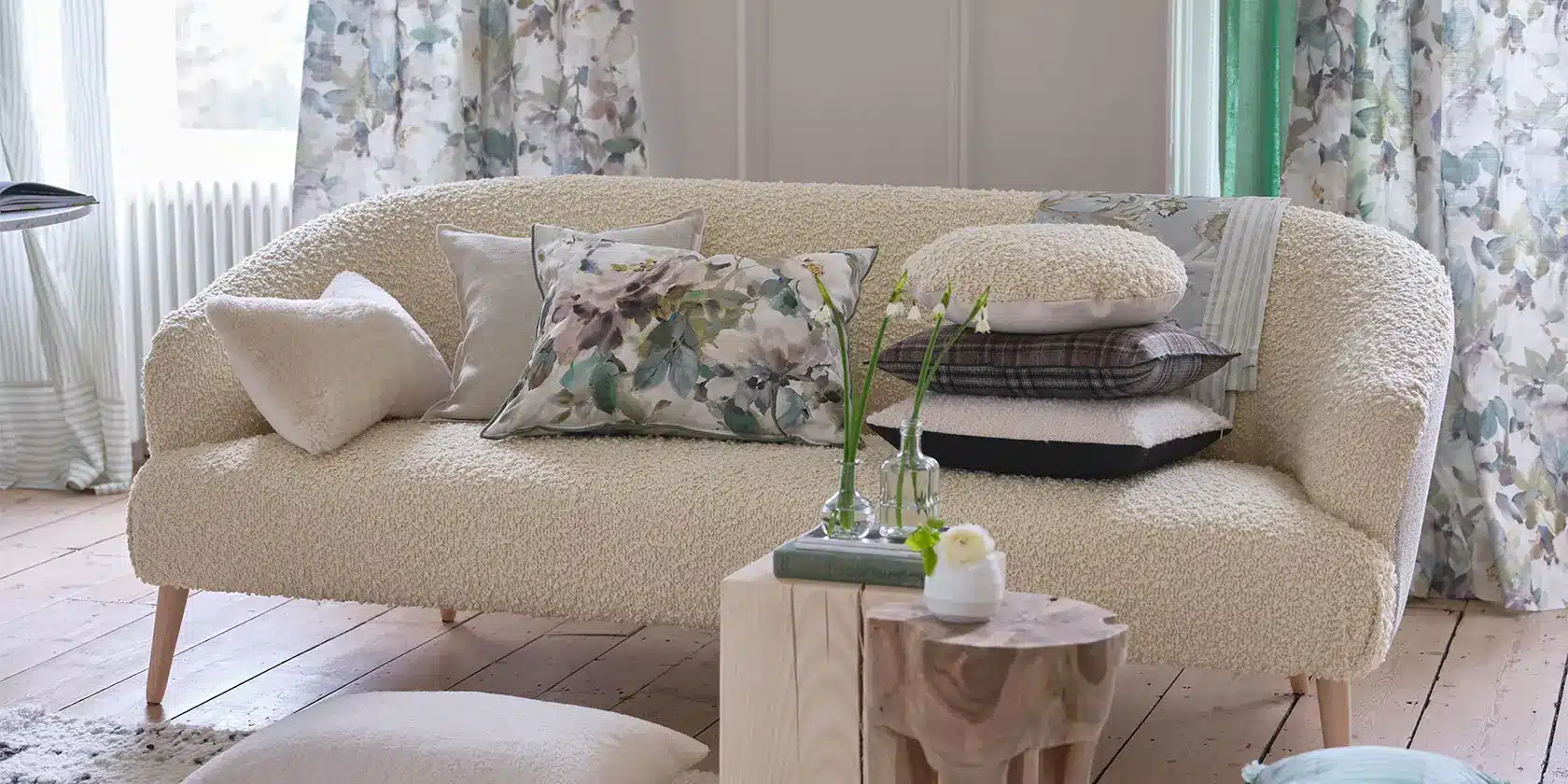
Winter fabrics for home decoration: ideas and advice
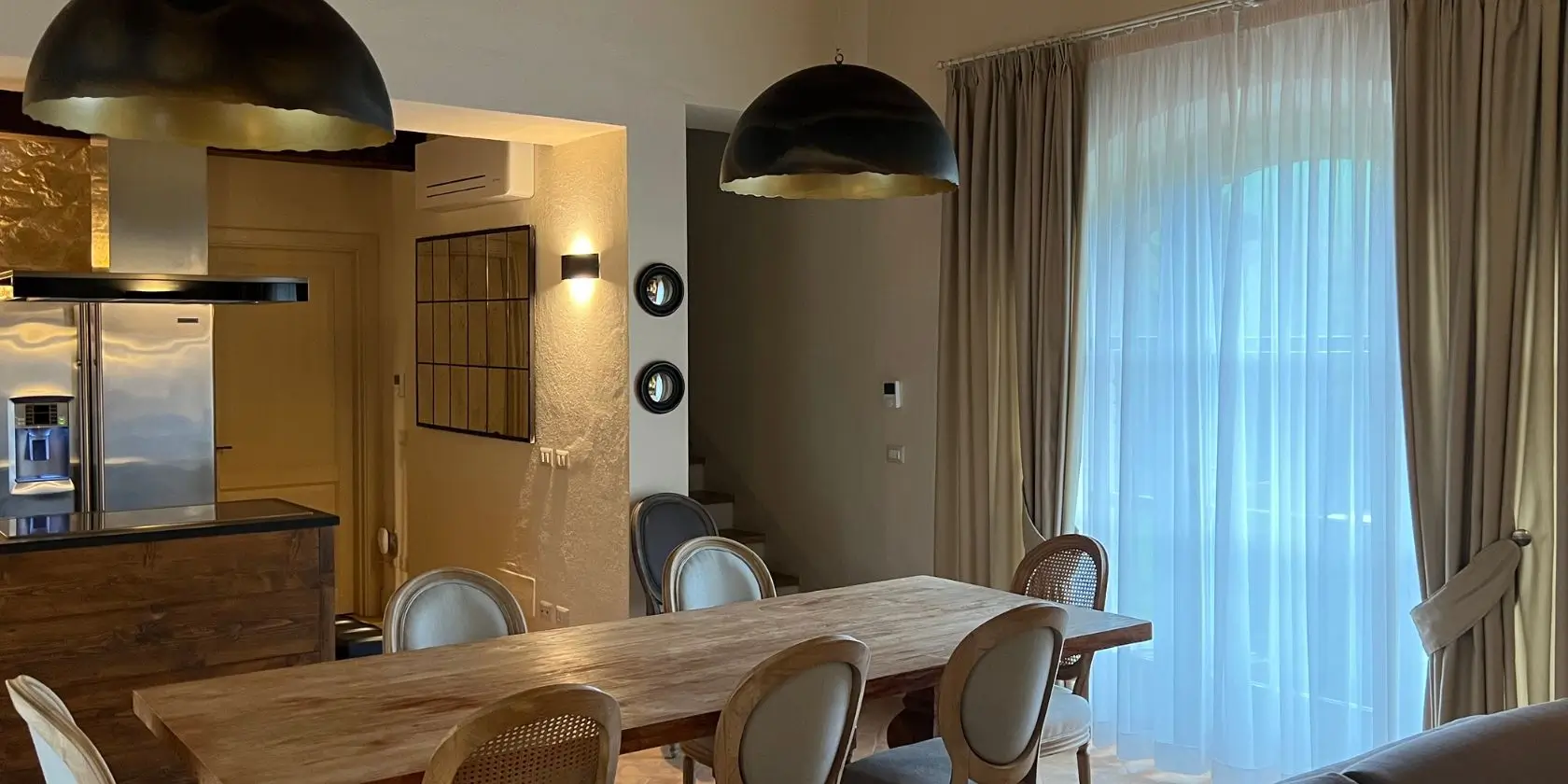
Furnishing farmhouses and barns: rustic elegance in Tuscany
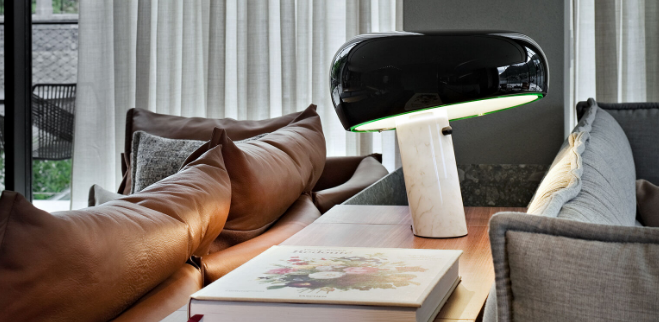
Flos Portugal luminaires: sophisticated Italian design
Pedrali Outdoor: the complete guide to Italian furniture and design
Rugs and carpets – Tailored elegance and comfort
Design of the layout of the Miramaia Shopping Food Court

Comfortable chair or correct posture?