Spring is a great time for planting and a great time for growers and traders. There is a seedling fair in practically every city, market place, near botanical gardens and even shopping malls. In order not to return from the seedling fair with an empty wallet and worthless plants, pay attention to some important things.
- BEFORE BUYING, CONSIDER WHERE YOU WILL BE DESIGNING
When you go grocery shopping, you should already have done your homework. Inspect and evaluate the area of your garden where you plan to plant a new plant. Here’s what you need to know when evaluating the location of a new facility:
- Lighting. If the place is sunny, you can choose light-loving plants. If the sun shines in the area only in the first half of the day, many light-loving plants will still grow well. If there are only a few hours of sunlight per day, or if it only shines in the evenings, you’ll want to look for shade-loving plants for that location. Not all plants love the sun, so keep in mind that plants in the shade can become poor, burn, lose the color of the leaves in the sun, etc. Plants that ripen fruit and berries, although some are shade tolerant, ripen faster and are sweeter in the sun.
- Space. Will there be enough space for the plant to grow? Think about how many plants can fit in the space provided. Calculate the distance by thinking not about the small plants you will buy, but about how much space they will take up when adults. You can find information about each variety and how much it grows simply on the Internet. This way you don’t buy too few or too many plants, but just the right amount. If you haven’t checked beforehand, ask the seller how wide the adult plant will be.
- The soil. What is your garden soil like? If it is a rich topsoil, humus, it is suitable for practically all plants grown for harvest. If there is sand or clay, loam on the plot, it is not necessary to improve it for decorative plants, just choose plants that like this type of soil. Squeeze a clod in your fist: if it crumbles when you squeeze it, it means quicksand or sand. If the piece stays in its shape after it is loosened and you can even mold it, then it is clay. Notify the dealer or nursery staff when you harvest the plants.
- AVOID IMPULSE PURCHASES
It’s easy to fall in love with the brightly colored plants displayed in prominent places at nurseries and markets and buy them without thinking about where you’ll plant them in your garden. The longer the yard is maintained, the more it becomes overrun with such impulsive purchases. In gardening courses, we often hear about such situations, when both beginners and experienced growers buy too much, and then, upon returning, walk around the yard with the plant and look for the most suitable place for it. Be smarter and do the opposite: plan first, buy later.
I would advise you to go to trade shows only with a list of plants. If you haven’t, just take a look at the fairs, get to know each other, talk and buy only annual flowers for the vase, just so you don’t come back empty-handed.
Another way to shop at fairs is to agree in advance with local growers on a specific list of plants you have in mind and come to the fair just to pick up your plants. Since Lithuanian growers are spread across various cities and districts, many of them participate in large seedling fairs. Therefore, it is convenient not to drive further to another part of Lithuania, but to pick up the plants at the nearest large fair. Such a model is quite widespread, feel free to ask the nursery you like or search their website where you plan to attend and arrange a meeting there.
- READ THE LABELS
Hanging on many plants labels. Here you can write the name of the plant, how tall it will be as an adult, the time of flowering, the need for lighting and water, the peculiarities of caring for the plant. Of course, not all information about the plant is written on the label, but by its name you can easily find information of interest on the Internet.

Plant passport – example from «Žagares medelynas», www.zagares-medelynas.lt
Another situation with plants without labels. If you buy from grandma, don’t expect quality because you can’t be sure of what you buy. Buy from her if you want to encourage her to earn extra income by doing her favorite activities. But if you want a good quality plant, buy from specialist growers who can provide certificates, plant passports and guarantees.
Plants grown in other countries (Poland, Holland, etc.) usually report the plant’s hardiness zone on the label. In Lithuania there are zones 4 (in the south-east) to 6 (on the coast). Therefore, if a climbing rose is a zone 7-10 plant, it will probably not overwinter in Vilnius. Unfortunately, some retailers often sell plants that are not suitable for our climate.
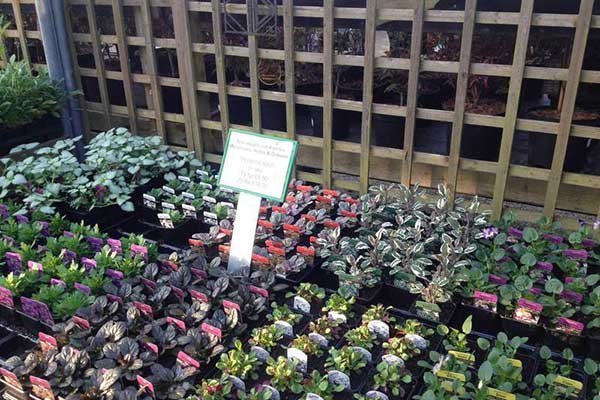
The seedling fair will also be full of imported plants, read their labels. photo from
Plus, there’s always the factor of human error. Who hasn’t heard stories when instead of one variety of apple tree you get a completely different one (you notice this only after a few years, when it starts to bear fruit), or instead of ornamental grass a weed sprouts. Of course there are mistakes, but sometimes the version of deception cannot be denied. Therefore it is very important to prepare in advance, know what you are buying and choose a reliable grower or retailer who guarantees what is written on the label. The seedling fair is a place that attracts even less than honest traders.
- KNOW THE SIGNS OF A SICK PLANT.
Sometimes diseased plants are also sold at fairs or on plant sales sites. Here are some signs you should watch out for so as not to bring in a diseased or otherwise damaged plant:
- Yellowing leaves. They may indicate nutritional deficiencies, excessive watering, or both.
- Twisted roots. When a plant grows in a pot for too long, its roots begin to spin, running out of room, making it harder for the plant to absorb water and nutrients. Roots protruding from drainage holes indicate that there is little room for them in the pot. You can ask the nursery staff to carefully remove the plant from the pot and inspect the root system. Twisted roots will have a thick mat of roots on the bottom and sides of the pot.
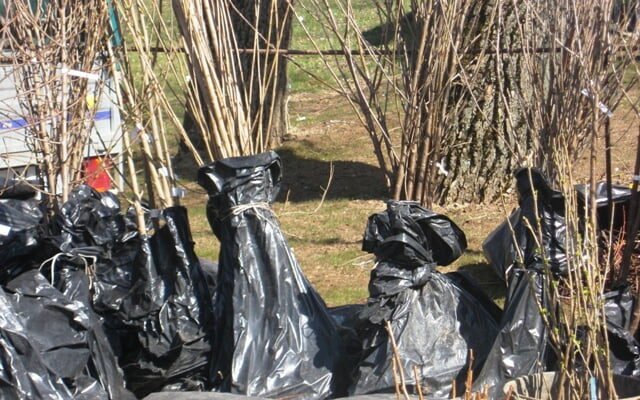
- Dead roots. If you purchase a plant that is not potted, but bare-rooted (as fruit trees and shrubs are usually sold), ask the attendant to untie the film and let you inspect it. The plants may have been dug up a few days ago, transported, lifted, dried in the sun, so they may no longer be as viable. If you see moderately moist soil near the roots and fine, whitish roots, the plant is excellent. If the roots look bare and dry, don’t risk it, because the chances of rooting success are already lower. If you plan to buy seedlings at the fair, do so on the first day of the fair, so that minimal time has passed since they were dug up.
- Parasites and diseases. Plants can become infected with diseases and pests that can also harm the plants growing in your garden. Check the leaves for spots or spots that would indicate the plant is infected. Insects usually hide on the undersides of leaves or on stems.
- Withered leaves. This indicates that the plant in the nursery was not watered properly. Sometimes it’s good to give all plants a good watering to help them recover.
- CHOOSE TWINS, NOT RINGS.
Another tip when choosing decorative plants. Admit it, they are the flowering plants that we pay attention to when we walk between the rows of an arboretum or at a fair. As tempting as a bush full of flowers may be, it is wiser to purchase a plant that has not yet flowered.
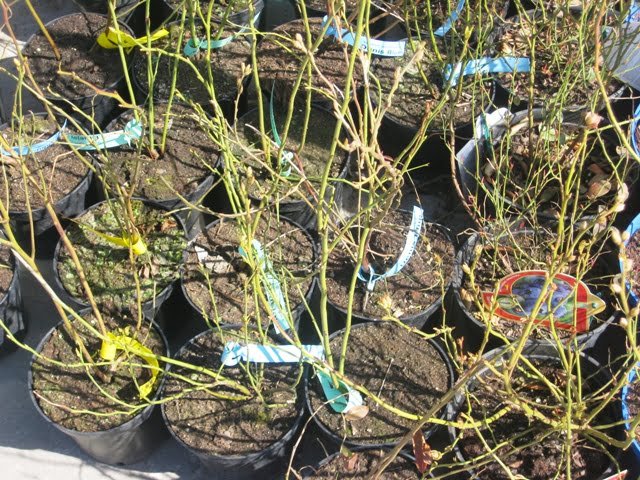
Imagine bringing home a hydrangea full of colorful flowers and planting it. You hope that your rings will satisfy you for a long time. Since it has already bloomed for some time in the nursery, it will bloom for a shorter period in your garden. Furthermore, transportation causes stress to the plant, which can cause flower drop. If you purchased a hydrangea with the flowers still open, it will bloom immediately after transplanting and you will enjoy longer blooms.
latest posts published
Spring in stock: Preserve wild herbs and use them year-round
Everyone really likes wild herbs!
How to make air layering on indoor plants
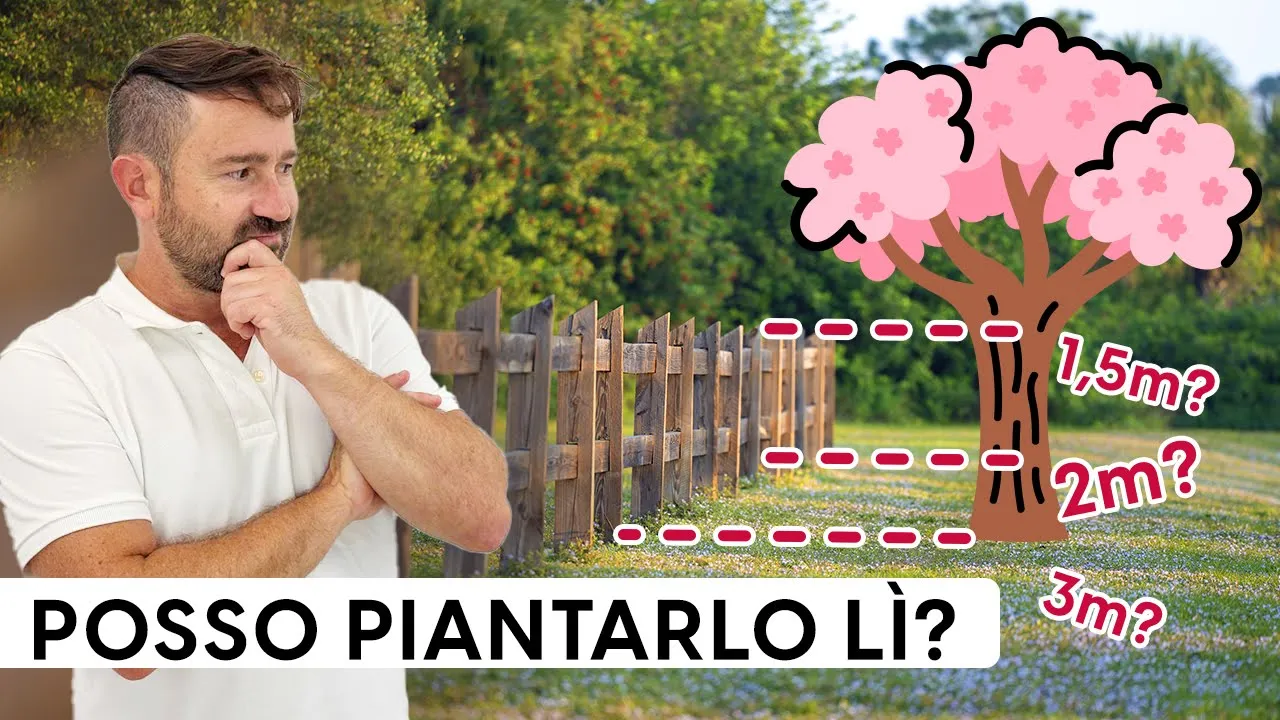
Distances of trees from the border: what does the law say?

Month of Festivals, Traditions and Taste

🌿 The cold is coming! How to transform the living room into an autumn relaxation corner
From Amaryllis bulb to plant: complete guide!
how to take care of it » Sell Plants Online
Here are the 12 best plants to purify the air (but it’s all false)