How to harmonize dining room table and chairs in an open space
Open-plan designs often pose design challenges, especially when it comes to choosing and pairing your dining room table and chairs. An open space is characterized by fluidity between different living areas, which requires a coherent and aesthetic approach. Here’s a comprehensive guide to help you blend into an open space, taking into account styles, materials, colors and layouts.
Understand the basics of open space
Fluidity and consistency
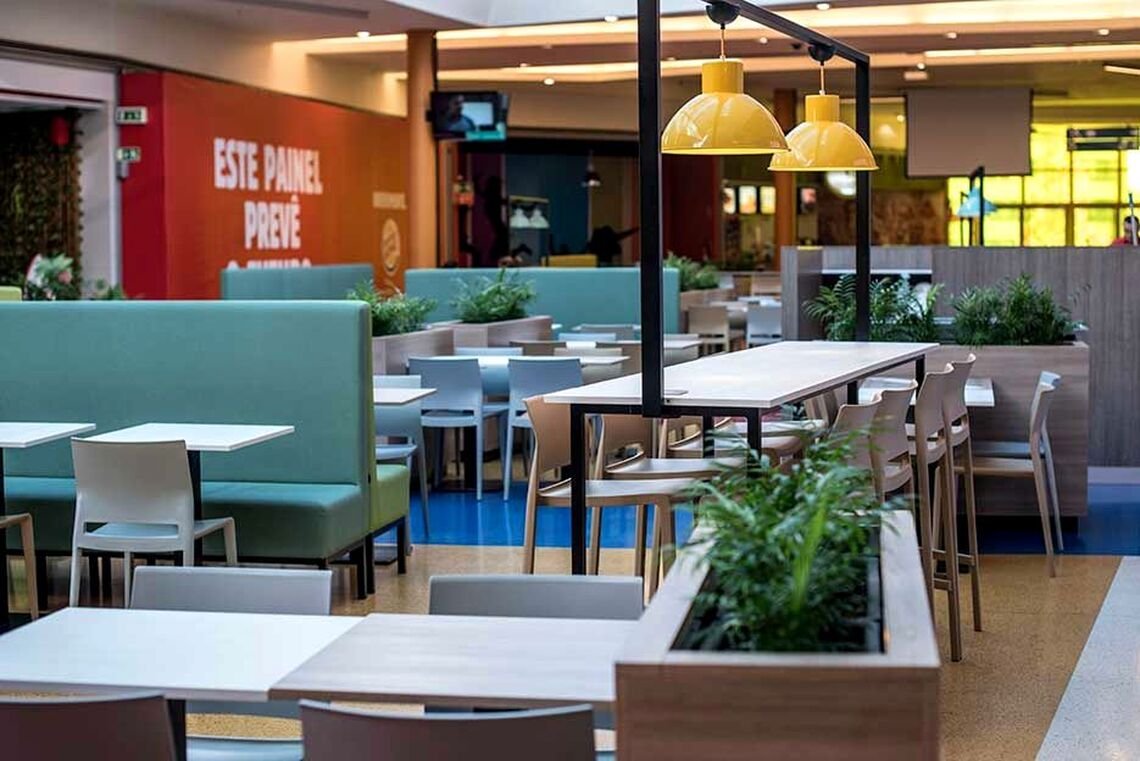
An open space typically connects the kitchen, dining room, and living room without dividing walls, creating a large, flowing area. The key to harmonizing the table and chairs in such a space is consistency. Each piece of furniture must not only be functional but also integrate harmoniously with the other environments.
Visual zoning
Even without walls, it is important to create distinct areas for different activities. Use rugs, pendant lights or drop lights to visually define the dining room space. This helps structure the space while allowing free movement.
Choose the style of the table and chairs
Consider the overall style
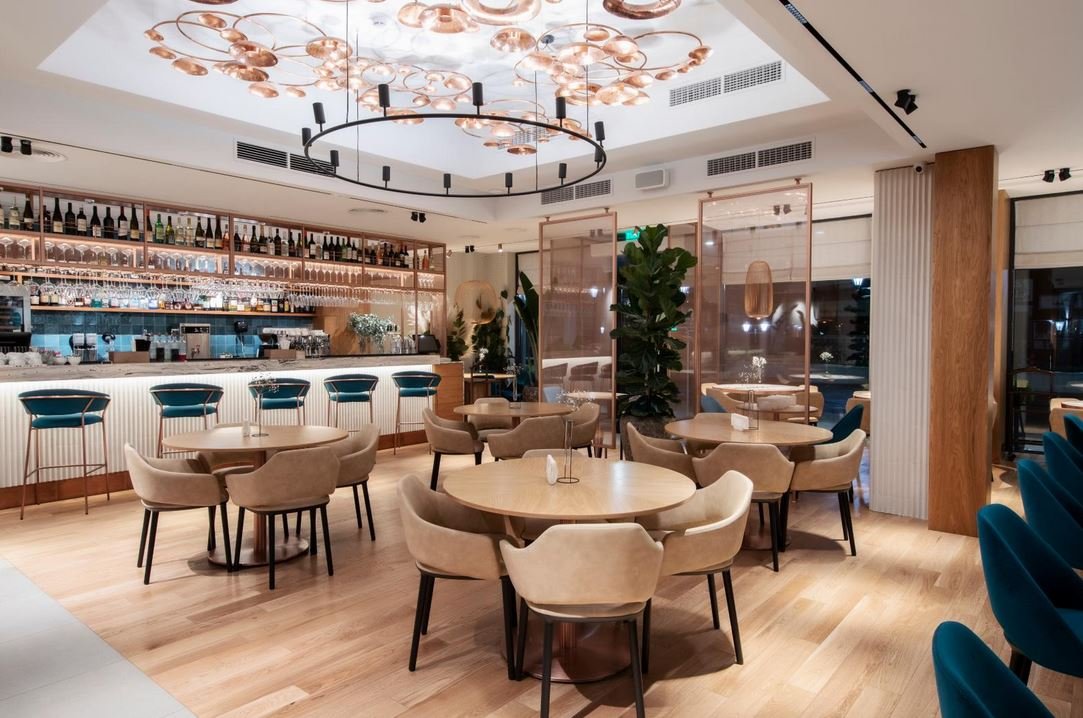
Your choice of dining room table and chair style should reflect the overall style of your open space. If your interior is modern, opt for furniture with clean lines and contemporary materials. For a more rustic style, solid wood furniture with handmade details will be more appropriate.
Complementary styles
For a harmonious look, choose tables and chairs that complement each other without necessarily being identical. For example, a rustic wooden table can be paired with modern metal chairs for a balanced contrast. Mixing styles adds visual interest and can energize the space.
Selection of materials
Harmonization of materials
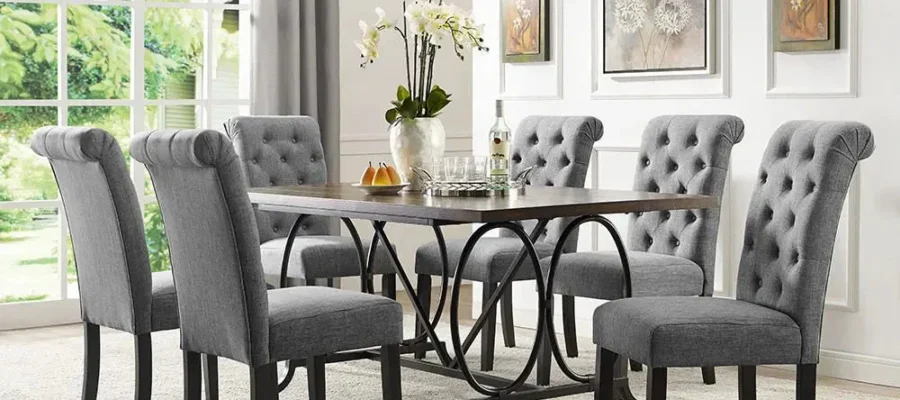
The use of complementary materials is essential to create visual harmony. If your table is made of natural wood, try incorporating this material into the chairs, even just the legs or armrests. For glass tables, chairs with metal or acrylic elements can increase the feeling of lightness and modernity.
Sustainable materials
Choose materials that are durable and easy to maintain, especially in a frequently used dining room. High-quality wood, metal, glass and plastic are excellent choices. Materials such as leather or stain-resistant fabrics are also recommended for chairs.
Color palette
Color consistency
Make sure the color palette of your table and chairs complements the other elements of the open space. Neutral colors such as white, grey, beige and black are easy to match and create a relaxing environment. If you prefer bolder colors, use them sparingly so as not to overcrowd the space.
Accentuation and contrasts
Use colors to create interesting accents and contrasts. For example, brightly colored dining room chairs can be paired with a neutral-colored table for a lively effect. Likewise, a table with a dark finish can be enhanced with lighter colored chairs.
Arrangement and proportions
Dimensions of the table and chairs
Choose a table and chairs proportionate to the size of your open space. A table that is too large can make the space feel cramped, while a table that is too small can feel lost. Chairs should be comfortable and spaced far enough apart to allow for easy movement.
Forms and functionality
The shape of the table should match the configuration of your space. Rectangular tables are ideal for long spaces, while round or oval tables are better for more compact areas. Functionality is also key: if you often have guests at home, an extendable table can be a great choice.
Decorative elements and accessories
Textiles and carpets
Rugs can visually delimit the dining room space and add comfort. Choose a rug with colors and patterns that match your furniture and other decor items. Chair cushions can also add a pop of color and extra comfort.
Lighting
Lighting plays a vital role in the atmosphere of an open space. A pendant light above the dining table can act as a focal point defining the space. Make sure the lighting is bright enough for dining, while being adjustable to create a more intimate atmosphere when needed.
Customization and flexibility
Customization
Don’t be afraid to customize your space to reflect your unique style. Mismatched chairs can add character and a personal touch to your dining room. Bespoke or custom-made furniture can also perfectly fit your space and specific needs.
Flexibility
Choose flexible and modular furniture that can adapt to different situations. Stackable or folding chairs are convenient for small spaces or for accommodating extra guests. An extendable table can be adjusted depending on the number of guests.
Conclusion
Harmonizing a dining room table and chairs in an open space requires careful consideration of style, materials, colors and layout. By considering these elements, you can create a cohesive, aesthetic, and functional space that reflects your personal style and meets your needs. The goal is to create a dining room that fits seamlessly into your entire open space, while providing a comfortable, welcoming place for meals and gatherings.
By following these tips you can transform your open space into an elegant and well-furnished place, where every element, from the table to the chairs, contributes to creating an overall atmosphere of coherence and style. Take advantage of the creative freedom that an open space provides to experiment and find the perfect combination that will make your dining room a true asset in your home.
latest posts published
How the chair influences the decor of a space

Ideas for decorating your home for Christmas
Winter fabrics for home decoration: ideas and advice
Restaurant decoration: remodel and furnish your space
Furnishing farmhouses and barns: rustic elegance in Tuscany

Flos Portugal luminaires: sophisticated Italian design
Pedrali Outdoor: the complete guide to Italian furniture and design
Rugs and carpets – Tailored elegance and comfort
How to decorate a restaurant and attract more customers!