When purchasing a swimming pool, the choice of filter media is very wide important. It is he who will determine the quality of the filtration, the maintenance time to be dedicated and the price to be paid. The sand filter is the most common filtration system for pools from 10 m³. It’s called a sand filter but you don’t need to fill it with sand. There are other filter materials, with different properties, these are: filter glass and the zeolite.
Recall that the water is sucked by the pump, passes through the filter media that goes retain impurities from the pool, the purified water is then introduced into the tub. To always be efficient, the filter media must be regularly cleaned so that the bacteria it retains do not clog the filter, i.e. the backwashing.
The sand
Sand is the most common filter media, easy to find and with a excellent value for moneyit is the most widespread. It has a filtration fineness of 30-40 micronswhich can be improved up to 10-20 microns by adding a flocculant to the pool water. It offers effective filtration but requires some maintenance because it can clog quickly.
Advantages
- The cheapest, we find it from 10 to 20 € for 25 kg depending on the brand.
- Medium filtration, from 30 to 40 microns, more than sufficient.
Disadvantages
- Recurrence of filter backwashing causing additional water consumption.
- Faster clogging of the filter which must be resolved using treatment products.
- Agglomeration of grains of sand causing a reduction in performance.
Read our article: How to change the sand in the sand filter?
Zeolite
Made from volcanic stones, zeolite is a mineral powder used as a filter medium for sand filters. Zeolite can be used alone or mixed with sand. Zeolite offers excellent filtration fineness5 microns. More expensive than sand, zeolite offers better performance and many advantages.
Advantages
- High filtration fineness of approximately 5 microns.
- Stabilizes pH, helps reduce the consumption of pH corrector.
- Requires less backwashing
- Absorbs AOX, carcinogenic elements naturally present in water
- Limits the formation of chloramines
Disadvantages
- Very expensive, around €40 for 25 kg
- Clogging of the filter in the same way as sand
Read the article: What is zeolite for swimming pools?
Filter glass
Harder to find, filter glass comes in the form of recycled and polished glass granules. It replaces the sand in the sand filter and offers great filtration efficiency and fineness 15 microns. The filtration fineness can be improved up to 5 microns with a flocculant.
Advantages
- Prevents the formation of a biofilm (the grains aggregate and the bacteria create a sticky film, reducing performance and favoring the appearance of chloramines)
- Significantly reduces sand filter maintenance
- Consume less water and fewer treatment products
- Excellent filtration fineness
- Ecological
Disadvantages
- Quite expensive, from 21 to 28 euros for 25 kg
Read the article: Bayrol’s AFM® filter media, which replaces sand
Quick comparison
| Comparative | Sable | Zeolite | Filter glass |
|---|---|---|---|
| Filtration fineness | 30-40 microns | 5 microns | 15 microns |
| Award | ~€14 under 25 kg | ~40€ under 25 kg | ~€26 under 25 kg |
| All my life | From 3 to 5 years | from 7 to 9 years | from 7 to 9 years |
| Quantity needed | 3/4 filters | 55% filters | 55% filters |
conlusion
Choosing the right filter media for a swimming pool is a crucial decision that directly impacts water quality, maintenance effort, and overall cost. While sand filters remain the most common option for pools starting from 10 m³, it is important to understand that “sand filter” refers more to the system than the material itself. Alternatives such as filter glass and zeolite offer different advantages that can improve filtration efficiency and long-term performance.
Each type of media has unique properties. Traditional sand is affordable and widely available, making it a popular choice for many pool owners. However, filter glass provides finer filtration, reducing the presence of smaller particles and improving water clarity. Zeolite, on the other hand, stands out for its ability to trap even finer impurities and reduce ammonia levels, contributing to cleaner and healthier pool water. These differences highlight the importance of selecting a filter media that aligns with your specific needs, budget, and desired maintenance level.
Equally important is understanding how the filtration system operates. Water is continuously drawn by the pump, passes through the filter media where impurities are captured, and is then returned clean to the pool. Over time, the accumulation of debris and bacteria can reduce the filter’s efficiency. This makes regular maintenance, especially backwashing, essential to ensure optimal performance and prevent clogging.
In conclusion, selecting the right filter media is not just about initial cost but also about long-term efficiency, water quality, and ease of maintenance. By carefully evaluating the available options and committing to proper upkeep, pool owners can ensure a clean, safe, and enjoyable swimming environment throughout the season.
latest posts published
4 ideas to protect a summer kitchen from the sun
Why choose a roll-up pool cover? Advantages and disadvantages
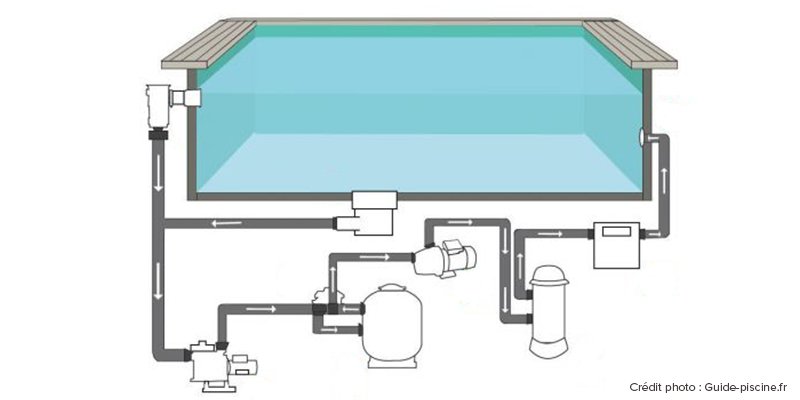
12 questions/answers on swimming pool filtration
Transform your garden into a bohemian and natural corner

Organize your balcony and terrace with a small garden furniture
Volcania EDA flowerpots to decorate your terrace or balcony

Which XXL pots to choose for an olive tree or a palm tree?

Our Top 3 for perfect lighting!

Which above ground pool should I choose based on my needs and budget?