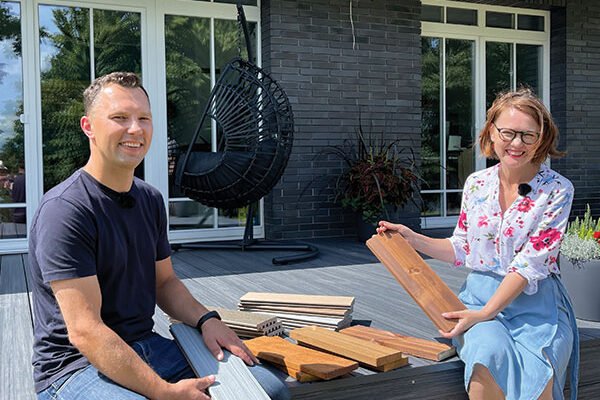
Is it preferable to construct terrace boards from timber, wood-plastic composite (WPC), or potentially tiles? Let us determine definitively the distinctions among these terrace materials and identify the most suitable choice for your needs. Tomas Sakalauskas from «MDS Terraces» discussed the initial steps for installing a terrace, highlighted essential legal considerations, and offered recommendations on selecting panels.
We examined this subject in detail on the LRT program «Čia mano sodas,» and the recording is available in the LRT mediateka.
On which side to install the terrace
Tomas assures that in many projects the place for the terrace is immediately foreseen by the architects and designers. However, if you have a choice, the specialist recommends installing the terrace on the south-west or west side. The east side is also a good choice.
Often there is an intuitive desire to install the terrace on the most illuminated side, that is, on the south side, but it will be simply impossible to stay there on a hot summer day.
What laws are important to know
The terrace belongs to the type of small architecture and there are not many requirements for it. Three important points:
- The terrace floor must be at least one meter away from the neighbor’s border or fence;
- If the terrace has a roof, it must be at least 3 meters from the neighbours’ boundary, but with the written consent of the neighbours, the distance may be less;
- If the terrace exceeds 100 m2. area, you should check with the local building authority to see if it will require a separate building permit.
The size of the terrace
If you are undecided about the size of the terrace, the expert suggests first nailing the stakes, surrounding the intended area with rope and visually checking whether there will be enough space for the desired terrace furniture and the planned activities.
Tom recommends that the width of the terrace, considering the distance from the house, is at least 3.5 metres. This is the minimum width, as it needs to fit:
- table;
- seats;
- space behind the chairs so you don’t fall onto the patio when you stand up and pull the chair back.
Now let’s compare which terrace boards are worth paying attention to.
Wood-plastic composite (WPC)
These deck boards are made from a 50% mix of wood chips, a special plastic composite and glue. Their biggest advantage is the very low maintenance compared to a wooden deck.
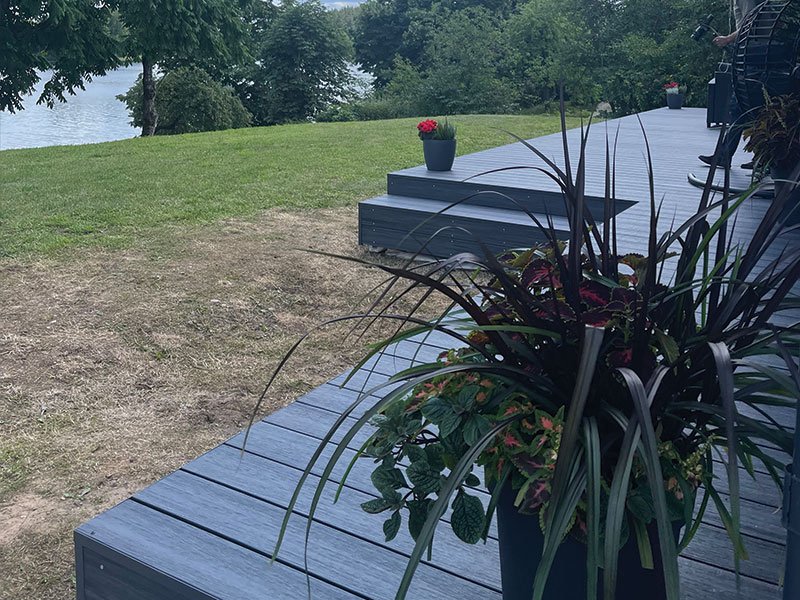
Depending on the manufacturer, some composite wood panels can absorb stains. If you want to improve the situation, composite wood decking boards must be oiled or impregnated with impregnants intended for WPC. Not as often as a tree: once every 3 years may be enough. More expensive tables, which can cost up to 100 euros per square meter. m., often has a specially coated surface that does not absorb stains. Tom laughs saying that only with these terrace tables you won’t have any problems even if the barbecue falls.
Depending on the manufacturer, wood-plastic composite can last up to 25 years. According to Tom, conventional wood composite panels should last at least 15 years.
Wooden terrace boards: impregnated pine
These are the most popular terrace boards in Lithuania. One of the reasons is the good price and many local producers. The standard care for a wooden deck is to oil it at least once a year to maintain the intensity of the color and protect the wood from UV rays. Also, so that the wood does not creak or create patterns when walking barefoot.
Impregnated pine decking boards should last approximately 10 years.
Thermal wood for terraces
These are boards treated with a special technology, pine heated to a temperature of 200 degrees. The texture looks organic, but the tree «walks» less, it is durable and does not rot. Tom says this is one of the best value for money.
Somewhere you can find information that it is not necessary to oil thermal wood. Yes, it won’t rot, but if you don’t oil it, it will lose its color, start to turn gray, and may become brittle over time. If that suits you, you can do without oiling.
A terrace paved with thermal wood will last 15 years or more.
Hardwood decking boards
The terrace specialist also calls them exotic, because it is not the wood of our region. Their colors are bright, the texture of the wood looks aesthetically pleasing.
It is not called hardwood for nothing: its density and structure are even twice as dense as our pines. Harder boards last longer and rot less quickly.
Tom suggests that hardwood, like all wood planks, be oiled at least once a year. If maintained, such a terrace will last 15 years or more.
Larch terrace boards
Some consider larch the same hardwood, but they are wrong. This is another type of wood. It has its own structural beauty, but the curling of the boards and the patterns cannot redeem the beauty.
Terrace tiles
People expecting a maintenance-free terrace may be disappointed with both wooden decking and WPC boards. The solution for them is porcelain stoneware. (Yes, porcelain stoneware, because stone tiles absorb grease stains). Just rinse them with water and this will be the only maintenance. A tiled terrace should also last longer.
Of course, this type of coating is more popular in warmer regions, where a cool surface is desired. I appreciate that it will be uncomfortable to walk barefoot early in the morning.
Prices of terrace boards
WPC wood-plastic composite panels are almost always more expensive than wood decking panels. Their price for 1 sq. m. usually reaches 60 euros, premium class WPC panels – 100 euros and above.
Impregnated pine decking boards will cost around 18 euros, and thermal wood – around 34 euros per square meter. M.
Terrace construction
It is important not only with which boards we will lay the terrace, but also how the structure under the terrace will be installed. The fundamental advice of a terrace specialist when installing the structure is to use the same materials that are used to install the terrace. Therefore, if you use thermal panels for the terrace, also use a long-lasting thermal frame. They will both last a long time and react equally to changes in heat or humidity.
Different deck frame and panel materials will have different reactions to changes in heat and humidity. As a result, the boards will move, unfold and split faster. Don’t skimp on the frame: a cheap frame will rot faster than the expensive boards you’ll use to cover the deck, but it still won’t have the durability you need.
Tom points out that metal screw foundations are much more convenient than concrete ones, especially if you plan to install the terrace yourself. Furthermore, it is always possible to adjust the height of the screw foundations later.
He also recommends digging up the lawn under the terrace and covering the entire area with geotextile. It will let moisture through, but will not allow plants to grow under the terrace. Do not use moisture resistant films as water will accumulate. Don’t even use agrofilm – it won’t last as long as geotextile, which isn’t.
Which decking boards to choose?
It’s impossible to put a finger on a deck board and say they are the best. Simply because personal taste and the environment in which the house is located and the materiality of the surrounding buildings play an important role in the choice. If there are many trees around, a forest, wooden tables will fit better. “If you install a practical wood-plastic composite option, but you’re a wood lover, will you really be happy?” Tom asks.
When you have all the information, decking boards are no longer such a difficult puzzle, and their pros and cons are just a matter of personal preference.
latest posts published
How the chair influences the decor of a space

Ideas for decorating your home for Christmas
Winter fabrics for home decoration: ideas and advice
Furnishing farmhouses and barns: rustic elegance in Tuscany
Flos Portugal luminaires: sophisticated Italian design
Pedrali Outdoor: the complete guide to Italian furniture and design
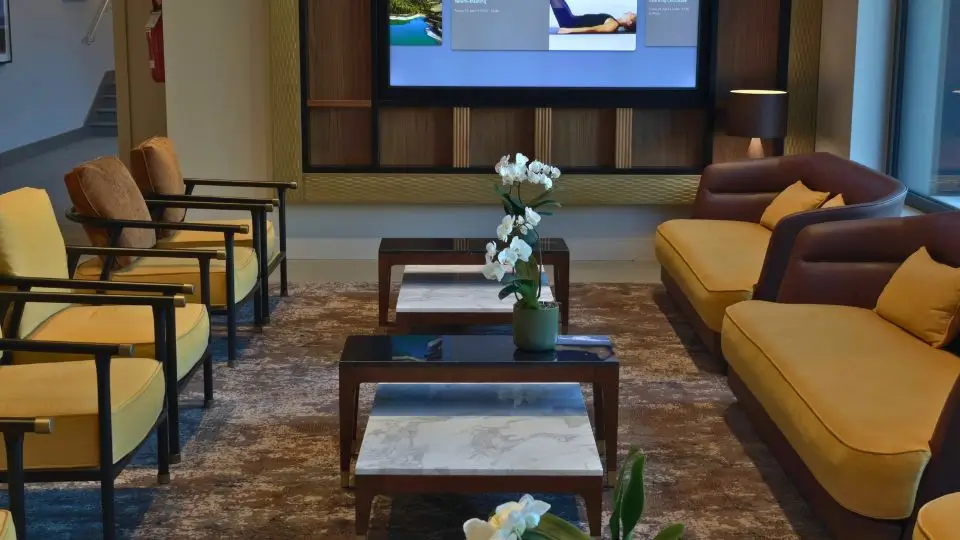
Rugs and carpets – Tailored elegance and comfort
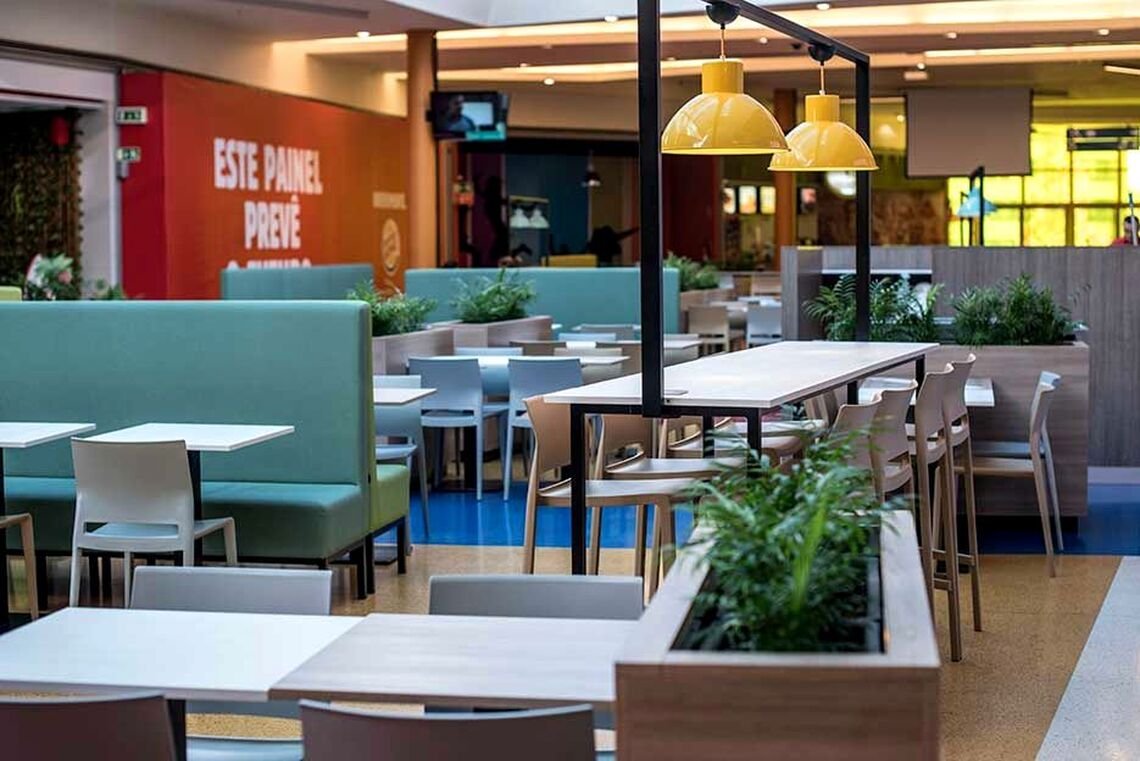
Design of the layout of the Miramaia Shopping Food Court

Comfortable chair or correct posture?