
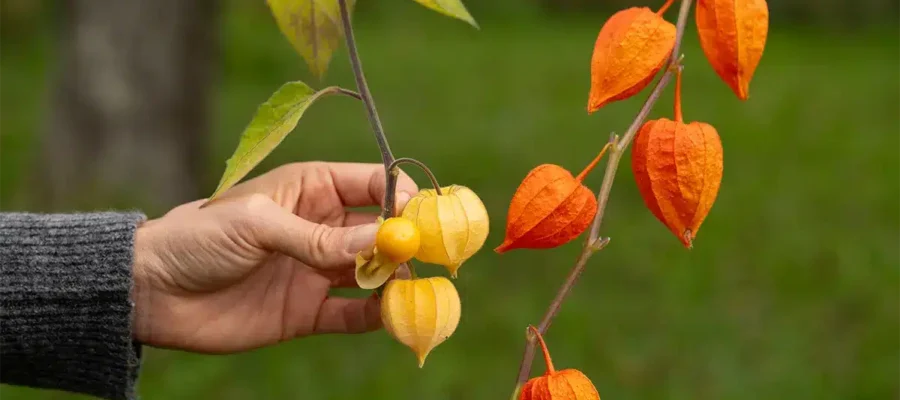
They look like small orange lanterns – but those walking through the garden in autumn often cannot immediately tell whether it is the decorative lantern flower (Physalis alkekengi) or the edible one Andenbeere (Physalis peruviana) acts.
The difference is not only visually exciting: while one plant with its bright lanterns is prized as an ornamental and medicinal plant, the other produces sweet and sour fruits for the kitchen. In this article we will show you the most important identifying characteristics, tips for growing and caring and how to use both plants correctly. This way you will avoid dangerous misunderstandings and get the most out of your garden.
Chinese Lantern Flower (Physalis alkekengi) – bright autumn beauty
Origin and botanical products
- It belongs to the nightshade family (Solanaceae).
- Native to Europe and Asia, it loves to grow perennial AND persistent.
- It forms underground runners and can quickly colonize larger areas.
Identification of characteristics
- Height: 40–80 cm, upright growth, slightly woody.
- Leaves: ovate, dull green, slightly hairy, with entire or slightly wavy edges.
- Flowers: appear inconspicuous, whitish June – July.
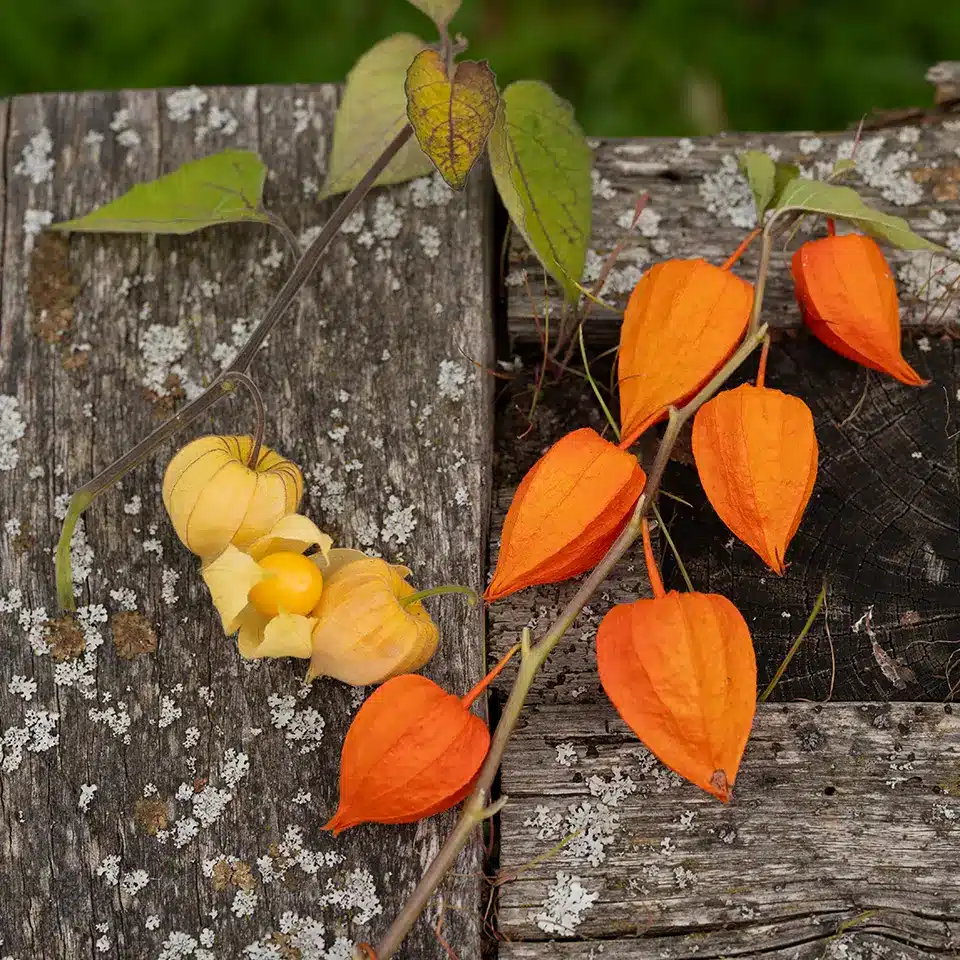
- From August: on the lantern flower (Physalis alkekengi), the surprising red-orange «lantern» forms from the sepals of the flower. Inside there is usually a small red berry (size 5-10 mm).
- However, this berry often dries out or falls off early, so much so that in autumn only the empty shell remains.
- Unfertilized flowers: If the flowers are not pollinated in early summer (e.g. due to lack of insects, rainy weather during the flowering period), no fruit forms, only the lantern.
- Caution: the fruits are poisonous when unripe and are not suitable as fruits even when ripe.
Location and soil
- Sunny to partially shaded, without waterlogging.
- Likes humus-rich soil, moderately rich in nutrients.
- Resistant to around -20°C, ideal for perennial beds and natural gardens.
Growing Tips
- Sowing time: spring or autumn as a perennial plant in a container.
- Sowing distance: approx. 40 cm, as the shape of the runners.
- Tip: Incorporate root barriers (e.g. lawn edges) to prevent uncontrolled spread.
- Easy to care for: fertilize only in spring, water moderately.
- Pruning: Cut close to the ground in fall or early spring.
Use and special features
- ornament: Once dried, the orange lantern cover is very decorative for autumn bouquets.
- Incense plant and folk medicine: It was once used for bladder and kidney problems, but today it is rarely used medicinally.
- Do not consume: The berries contain alkaloids and are slightly poisonous in large quantities.
Inspiration for autumn
In our new autumn edition of our Kräuterkeller magazine (available here) is obviously focused on wild herbs and medicinal plants. With our magazine Wildkräuter we have fulfilled a desire we have had for some time: to design and publish, in addition to our books and seasonal calendar, also our own magazine. The magazines are always available in paper and digital versions. If you missed previous editions, you can still find them in our shop at www.die-moderne-Kräuterhexe.de reorder.
Physalis / Andenbeere (Physalis peruviana) – their relatives
Origin and botanical products
- Belladonna also comes from South America (Peru, Colombia).
- Cultivated as an annual in central Europe because it is sensitive to frost.
- Growth height: 60–100 cm, bushy branches.
Identification of characteristics
- Leaves: softly hairy, heart-shaped, intense green in color, much larger than the lantern flower.
- Flowers: yellow with a dark spot in the center (reminiscent of small petunias), appear in July-August.
- Fruits: ripe September – October in very thin beige (not bright orange) sleeves.
- Taste: sweet and sour, rich in vitamin C and provitamin A.
- Edible: Ripe fruits are a popular superfood.
Location and soil
- Sunny, warm, protected from the wind, ideal in raised beds or containers.
- Loose soil, rich in nutrients and humus.
- Sensitive to cold: place outdoors only from mid-May.
Growing Tips
- Sow indoors from February/March to approx. 20°C.
- Plant outdoors after Ice Saints, sowing distance approx. 50cm.
- Water regularly and provide organic fertilizer every 2-3 weeks.
- Harvest: when the skins are dry and papery and the grapes are golden-orange in colour.
- Wintering: usually not possible, only in pots in a bright place, protected from frost.
Use in the kitchen
- Fresh snack as a snack or dessert decoration.
- For jam, chutney, fruit salad or for drying.
- It goes well with cheese and chocolate platters.
- Very long shelf life if the packaging is intact and dry.
Autumn is the time for herbs: discover nature from its healing side!
Autumn is perfect for exploring the world of wild herbs and medicinal plants. With ours Autumn starter set (now available here) you will have the perfect start, whether you are a beginner or a herbal fan who wants to deepen his knowledge. The set contains everything you need to collect, process and benefit from the treasures of the season for a long time:
- Seasonal calendar of wild herbs: Your companion all year round. This way you always know what is growing. It can be reused every year.
- Books “Using wild herbs and medicinal plants all year round” & “Preserving wild herbs”: In-depth knowledge and lots of simple practical instructions.
- Autumn edition of the wild herb magazine: Packed with seasonal recipes, tips, and exciting stories about fall herbs.
- Seed and postcard sets: For your small autumn garden or as a loving gift for herb lovers.
Start your herbal adventure now and use the golden season to get a little closer to nature
Chinese Lantern Flower vs. physalis: the most important differences in brief
| characteristic | Lampionblume (P. alkekengi) | Physalis / Andenbeere (P. peruviana) |
|---|---|---|
| usage | Ornamental and medicinal plant | Edible fruits, sweet fruits |
| Winter hardiness | resistant, perennial | Sensitive to frost, mainly annual |
| color of the fruit | red berries in orange-red lanterns or no berries | golden orange berries in a very thin beige casing |
| Flower color | whitish, inconspicuous | yellow with dark spot |
| Leaf structure | dull green, smaller | softly hairy, heart-shaped, larger |
| Diffusion | leads the runners | it remains thick, without runners |
| Toxicity | Poisonous when unripe, not intended for consumption | edible and rich in vitamins |
Tips to avoid confusion: Here’s how to stay safe
- Check the color and shape of the cover: Chinese lantern flowers have bright orange, balloon-like covers; Physalis beige-papery casings, rather delicate.
- Look at the flowers: At the beginning of summer the differences become evident.
- Remember location: Perennial bushes that sprout again in winter are almost always lanternflowers.
- Don’t try if you’re not sure! Especially with the unripe fruits of the lantern flower.
Preserving wild herbs in autumn
Would you like to get even more from your garden and harness the healing powers of your herbs all year round? So our book is “Preserving wild herbs“(available here) right for you! It offers you valuable instructions and tips on how to easily preserve local wild herbs, through drying, pickling, fermentation or other proven methods
latest posts published

How the chair influences the decor of a space

Ideas for decorating your home for Christmas

Winter fabrics for home decoration: ideas and advice
Furnishing farmhouses and barns: rustic elegance in Tuscany

Flos Portugal luminaires: sophisticated Italian design
Pedrali Outdoor: the complete guide to Italian furniture and design

Rugs and carpets – Tailored elegance and comfort
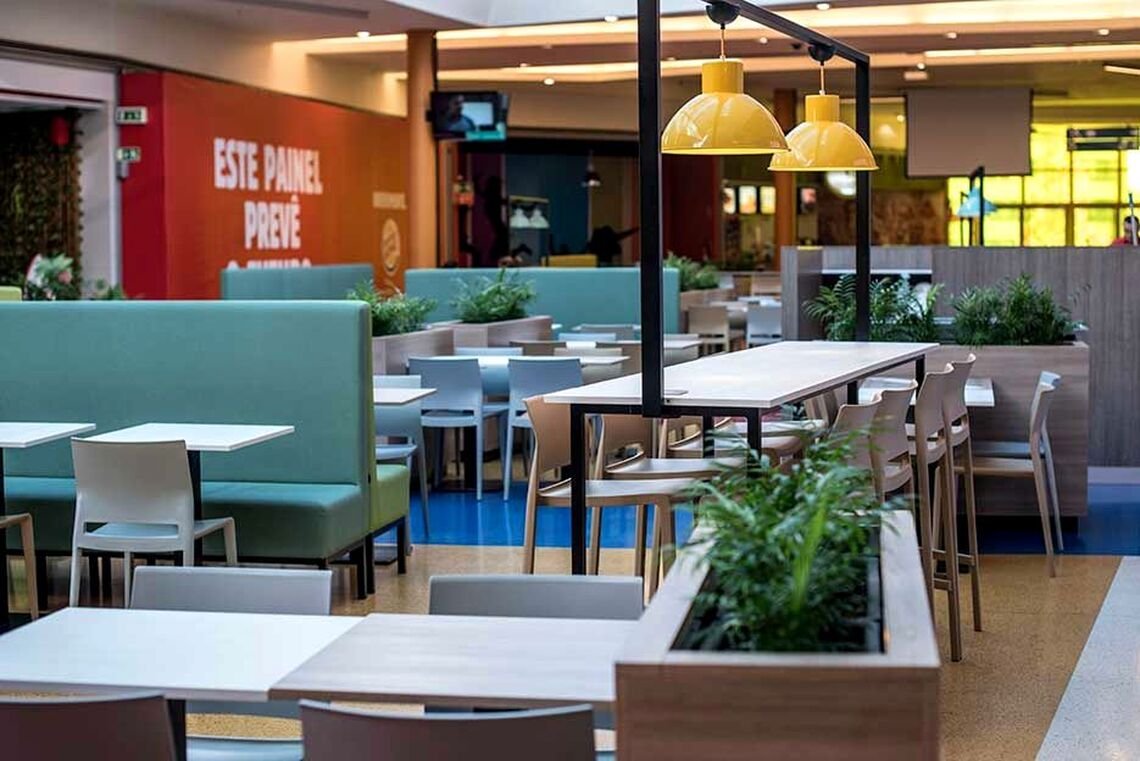
Design of the layout of the Miramaia Shopping Food Court

Comfortable chair or correct posture?