Combining a coffee table with the sofa is essential for creating visual and functional harmony in the living room. While it may seem like a simple task, there are several factors to consider to ensure the two pieces complement each other perfectly. Here’s a step-by-step guide to help you match your coffee table to your sofa and transform your living room into a cohesive, elegant space.
1. Consider the style
Define your decorating style
Before choosing a coffee table, it is important to define the furnishing style of your living room. Whether you prefer a modern, classic, rustic, Scandinavian or industrial look, each style has distinct characteristics that can guide your choice.
Harmonize styles
Make sure your coffee table and sofa share similar stylistic elements. For example, if your sofa has a modern design with clean lines, opt for a coffee table with a minimalist design. If your sofa is vintage style, a wooden coffee table with antique details might be more appropriate.
2. Choose the right materials
Assorted materials
The materials of the coffee table and sofa should complement each other. If you have a leather sofa, a wooden or metal coffee table can create an interesting and elegant contrast. For a fabric sofa, a glass or ceramic coffee table can add a touch of sophistication.
Contrasts and harmonies
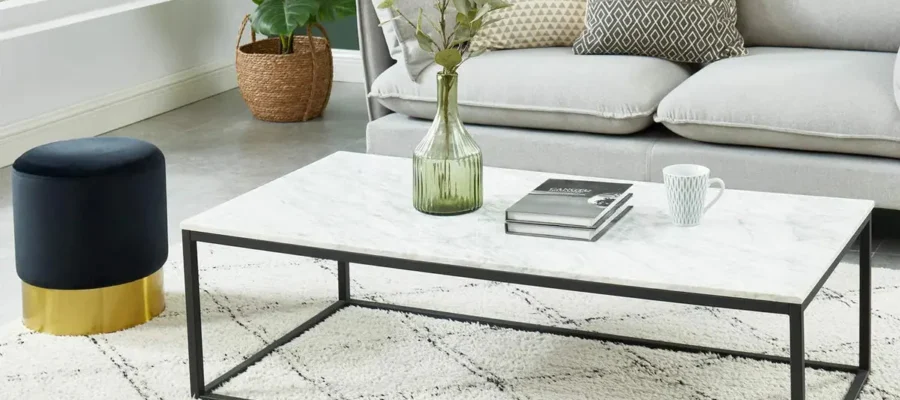
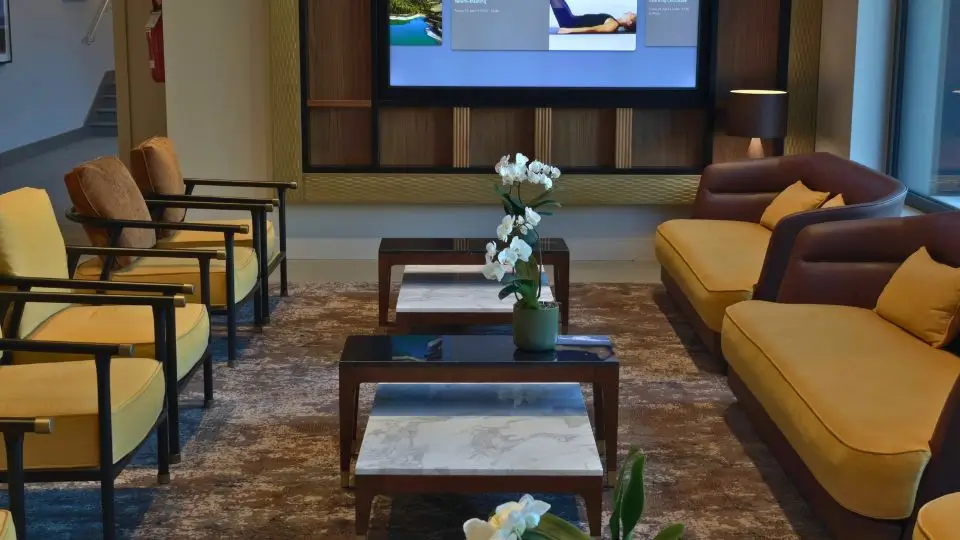
Playing with contrasts can add depth to your decoration. For example, a marble coffee table with a fabric sofa can create a balance between the softness of the fabric and the hardness of the marble. Likewise, a raw wood coffee table can add warmth to a leather sofa.
3. Consider colors
Color palette
Choose a color palette that fits well with your sofa. If your sofa is neutral, you can opt for a brightly colored coffee table to create a focal point. If your sofa is colorful, a neutral-toned coffee table can balance it out.
Complementary colors
Use complementary colors to create visual harmony. For example, a blue sofa can be paired with a wooden coffee table with gold accents. Complementary colors bring vibrancy and coherence to your decoration.
4. Proportions and dimensions
Dimensions of the coffee table
The size of the coffee table should be proportionate to that of your sofa. In general, the coffee table should be about two-thirds the length of the sofa. It should also be at a comfortable height, at the same level as the seat of the sofa or slightly lower.
Shapes and sizes
The shape of the coffee table should also be considered. A rectangular coffee table generally fits long, straight sofas, while a round or oval coffee table can soften the lines of a more angular sofa.
5. Functionality and use
Specific needs
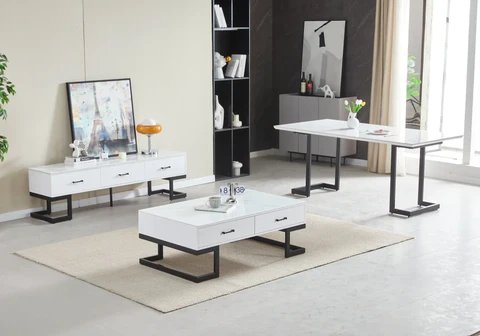
Think about how you use your coffee table. If you need extra space, opt for a coffee table with drawers or shelves. If you like to entertain guests, a larger coffee table can be convenient for placing snacks and drinks.
Children and animals
If you have children or pets, choose a coffee table without sharp edges to avoid accidents. Durable and easy-to-clean materials, such as tempered glass or solid wood, are also recommended.
6. Balance the textures
Complementary textures
Textures play an important role in creating a harmonious space. Matching the textures of the coffee table and sofa can add richness to your decor. For example, a velvet sofa can be complemented by a polished wooden or smooth glass coffee table.
Texture contrast
Textural contrast can also be used to create visual interest. A raw wood coffee table can offset the softness of a fabric sofa, while a smooth marble coffee table can add contrast to a textured leather sofa.
7. Add accessories
Table decorations
The accessories on the coffee table can also help you match it with the sofa. Books, candles, vases or decorative trays can reflect the style and colors of your sofa, creating continuity in your living room decor.
Cushions and throws
Use cushions and throws on your sofa to reinforce the harmony with your coffee table. Choose fabrics that match the colors and patterns of your coffee table for maximum consistency.
8. Take the surrounding space into consideration
Arrangement of space
Make sure your living room layout allows for easy circulation around the coffee table and sofa. Leave enough space for people to move comfortably without bumping into furniture.
Lighting and atmosphere
Lighting plays a crucial role in highlighting your coffee table and sofa. Use table lamps, floor lamps or mood lights to create a warm and welcoming atmosphere. Good lighting can highlight the details and textures of your furniture, creating a pleasant visual effect.
Conclusion
Matching your coffee table to your sofa requires taking into account several aspects such as style, materials, colors, proportions, functionality, textures and accessories. By taking these elements into account, you can create a harmonious and elegant living room in which each piece of furniture complements each other perfectly. Whether you prefer a modern, classic, rustic or eclectic look, there are a multitude of possible combinations to make your living room a comfortable and aesthetic space. Take the time to choose pieces that not only complement each other visually, but also meet your practical needs, and you will be rewarded with an interior that reflects your personality and refined taste.
latest posts published
How the chair influences the decor of a space

Ideas for decorating your home for Christmas
Winter fabrics for home decoration: ideas and advice
Furnishing farmhouses and barns: rustic elegance in Tuscany
Flos Portugal luminaires: sophisticated Italian design
Pedrali Outdoor: the complete guide to Italian furniture and design
Rugs and carpets – Tailored elegance and comfort

Design of the layout of the Miramaia Shopping Food Court
Comfortable chair or correct posture?