
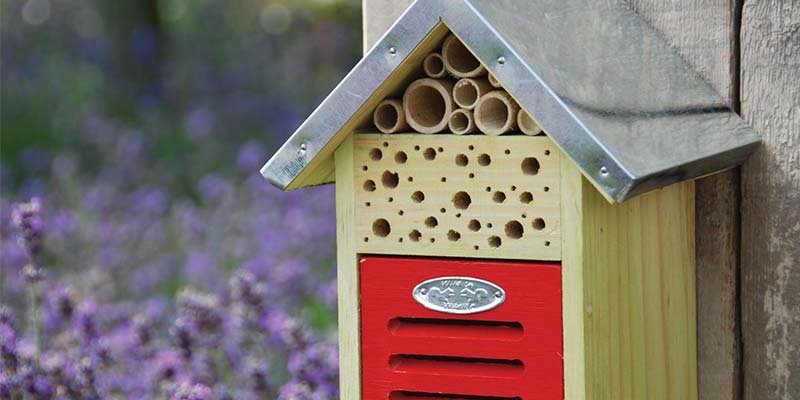
Whether you buy an insect hotel or make it yourself, the purpose is the same: to care for insects in the garden and ensure the longevity and health of your plants. What exactly is an insect hotel? It is a wooden construction, installed in the garden. Its purpose is to house insects.
Why install an insect hotel?
Increasingly widespread, the insect hotel is all the rage in our gardens! In fact, hosting and feeding small animals, which usually repel us, can present quite a few problems.advantages for your plants and the health of your garden.
By installing an insect hotel, your plants will thank you. The insects that reside in the insect shelter can be pollinators, which favor the reproduction of plants, or predatory insects, which feed parasites that infest your garden and destroy your crops.
Of course, before you start hosting insects, you will have to do this ban chemicals. This will create a virtuous circle ea natural cycle.
Welcome the good insects to get rid of the bad ones
Where, when, how to install an insect hotel?
Where to install your insect shelter?
Must be installed on bottom of the gardennear a flowerbed, a rural hedge or the vegetable garden, so that guests have easy access to the plants. The ideal location is quiet andshelter from the wind.
When to install your insect hotel?
The insect shelter is installed only once, it remains installed in the garden all year round. For the first planting it is advisable to favor the autumn period or the beginning of winter, so that the larvae are warm during the winter.
How to set up your insect hotel?
It must be installed high up, at least 30 cm from the ground, so that it is isolated from humidity. For optimal installation, the insect shelter should face south and with its back to the wind.
For which insects?
Once you have your insect hotel installed, you will need to fill it with materials so that insects can come and stay and, more importantly, stay there.
You will also have to think about placing attractants or food (for butterflies) in front of the rooms, in order to attract the insects to your refuge.
In order for more species to be present in your insect hotel, it is necessary to vary the materials installed in the different rooms.
Which insects for which parasites?
- The solitary bee, bumblebee and butterflies are pollinators.
- Ground beetles prey on slugs, worms, caterpillars and wireworm larvae.
- The lacewing is a predator of scale insects and aphids.
- Ladybugs are predators of whiteflies, scale insects and aphids.
- The earwig preys on aphids, psyllids and small caterpillars.
Which materials for which insects?
Depending on the materials installed in the premises of the refuge, different species will take place. Find a non-exhaustive list of some species that may occupy your home:
- Solitary bees and osmia: Wooden trunks with holes or hollow trunks, so that they can lay their eggs
- Bourdon: A closed box with a Ø 10 mm hole
- Ground beetles: pieces of branches
- Ladybugs: dry leaves and pine cones
- Butterflies: Straw, aromatic herbs and honey flowers
- Scissors: terracotta pot filled with straw
conlusion
Insect hotels have become an increasingly popular and beneficial addition to modern gardens, offering a simple yet effective way to support biodiversity and improve plant health. Whether purchased or built at home, their purpose remains the same: to provide shelter for beneficial insects that play a vital role in maintaining a balanced ecosystem.
Far from being harmful, many of the insects attracted to these structures contribute directly to the well-being of your garden. Pollinators, such as bees, help ensure the reproduction of plants, leading to healthier growth and better yields. At the same time, predatory insects act as natural pest control, feeding on harmful species that can damage crops and plants. This natural balance reduces the need for chemical treatments and promotes a more sustainable gardening approach.
Installing an insect hotel also reflects a broader awareness of environmental responsibility. As natural habitats continue to decline, providing safe spaces for insects becomes increasingly important. Even a small structure can make a significant difference, helping to preserve essential species and encouraging ecological harmony within your outdoor space.
In conclusion, an insect hotel is much more than a decorative feature—it is a practical and environmentally friendly tool that supports the health of your garden. By welcoming beneficial insects, you not only enhance plant growth and protection but also contribute to a more sustainable and balanced ecosystem. It is a simple initiative with lasting positive effects for both your garden and the environment.
latest posts published
4 ideas to protect a summer kitchen from the sun
Why choose a roll-up pool cover? Advantages and disadvantages
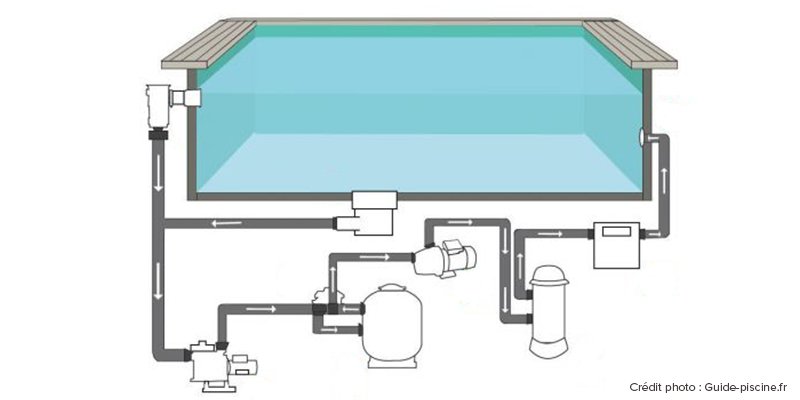
12 questions/answers on swimming pool filtration
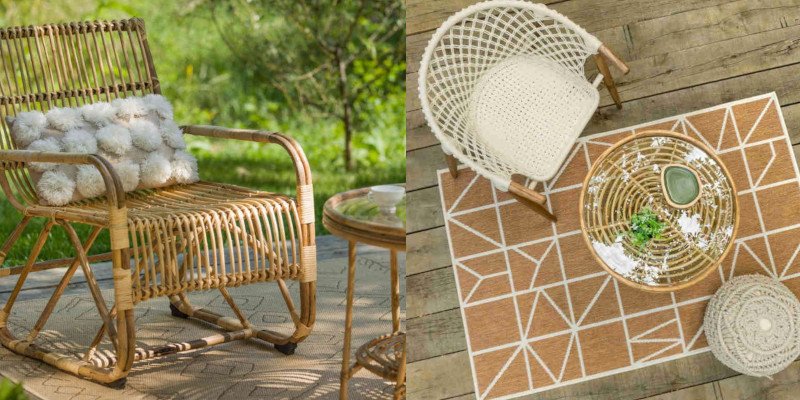
Transform your garden into a bohemian and natural corner

Organize your balcony and terrace with a small garden furniture
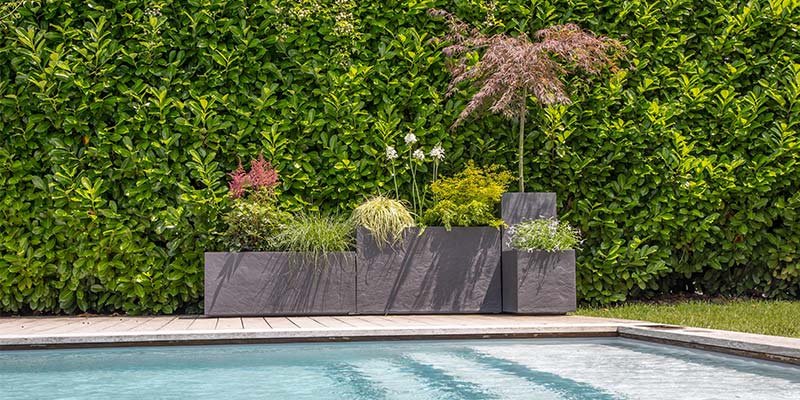
Volcania EDA flowerpots to decorate your terrace or balcony
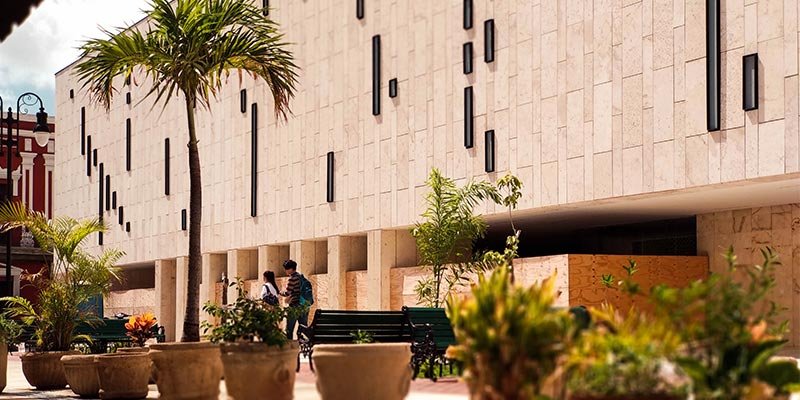
Which XXL pots to choose for an olive tree or a palm tree?
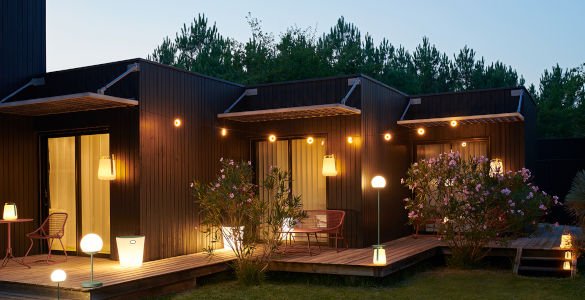
Our Top 3 for perfect lighting!

Which above ground pool should I choose based on my needs and budget?