
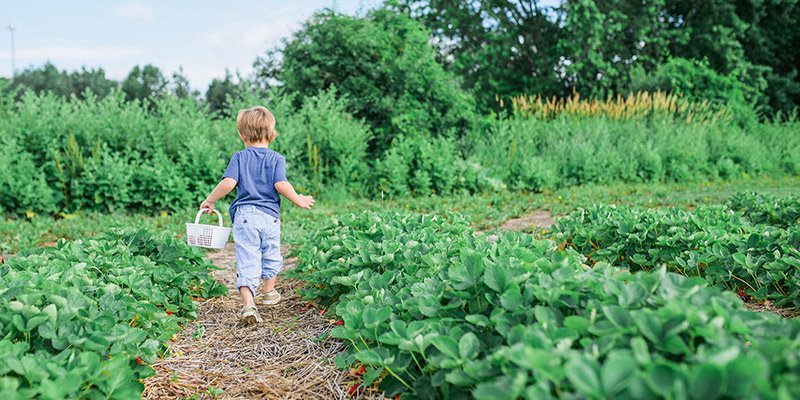
Summer is over and you’ve harvested the last fruits and vegetables of the season. Your garden has given you excellent harvests and it’s time to let it rest.
Once the last actions have been carried out: last harvests, recovery of seeds for subsequent crops and weeding of the last plants. The last great job will be that prepare the garden soil for the following year.
Autumn is the best time to prepare the soil. Indeed, depleted by the vegetable plants of the year, it is essential to provide it with the essential nutrients for its well-being.
1. Why prepare the garden soil in autumn?
The quality of the soil is essential for obtaining abundant and tasty fruits or vegetables. To ensure soil rich in nutrients and minerals, good work and good soil preparation are inevitable to obtain quality crops over the years.
Why not leave the garden soil bare? Autumn and winter are periods of heavy rainfall and during which the climatic conditions are harsh. The numerous rains wash away the soil of its nutrients and the cold and frost risk endangering all the fauna that lives under the garden. Yet necessary for good health.
Working the soil in autumn allows it to face the winter period in the best conditions. By providing a layer of green waste and a good mulch, the soil will be nourished during the winter thanks to a slow decomposition of organic matter. But this thick layer will also protect the abundant fauna of the soil. Bacteria, insects and fungi are important elements which contribute to the good health of the earth because they nourish it, aerate it and facilitate the development of plants.
In spring you will find soil that is more malleable and easier to work to accommodate new plants.
Article: How to make compost?
2. How to prepare the garden soil?
Preparing the soil may seem like a long and tiring job, yet it remains simple and above all fundamental to keeping a vegetable garden in good health.
The preparation of the garden soil is mainly carried out in 2 phases:
- Work the soil
- Soil improver
Work the soil for the vegetable garden
The purpose of tillage is to make it supple, loose and rich so that the roots of the future tenants of the garden can flourish in complete tranquility.
If autumn and winter are a period of rest for plants, it is also a period during which they can slowly develop their roots.
This is why the soil must be prepared taking into account nearby plants: trees and shrubs will thank you for it.
Preparing your soil in the fall will depend on your soil conditions and the plants you want to grow. If the latter is still flexible and light, a simple job is sufficient. This way you will avoid damaging underground insects and tree roots.
If the earth is more compacted in depth it will be necessary to use a grelinette to aerate the soil. The grelinette is a tool particularly suitable for working in depth without profoundly altering the surface of the ground.
Because that’s the goal hereprepare the land and not, to plow it which would damage its underground fauna.
Soil improver for the supply of essential nutrients
Once the soil in your garden has been cleaned and worked, the time has come to provide it with the necessary nutrients so that it can provide nourishment for future plants.
There are two types of amendments:
- Organic amendments: It is composed of decaying organic matter and helps fertilize the soil with organic elements. Its slow decomposition helps nourish the soil over time. First it fertilizes the earth and then nourishes future plants.
- Mineral amendments : Adding minerals to garden soil is intended to correct the pH of your soil. Mainly two elements are used: lime to increase the acidity of the soil and iron sulphate to acidify the basic soil. Other elements such as sand, wood ash or clay can complete the composition of the soil. To find out more about the pH of the garden, I invite you to read the very complete article: The acidity level (pH) in the garden on the Stratégiesaupotager.com website.
The soil in your garden will be improved a contribution of compost, manure and other green plants like dead leaves or the last mowing of the lawn.
These fertilizer inputs must be distributed regularly and generously over the entire surface to be cultivated. Of good thickness, it will also serve to protect the soil from frost and winter cold.
latest posts published
4 ideas to protect a summer kitchen from the sun

Why choose a roll-up pool cover? Advantages and disadvantages
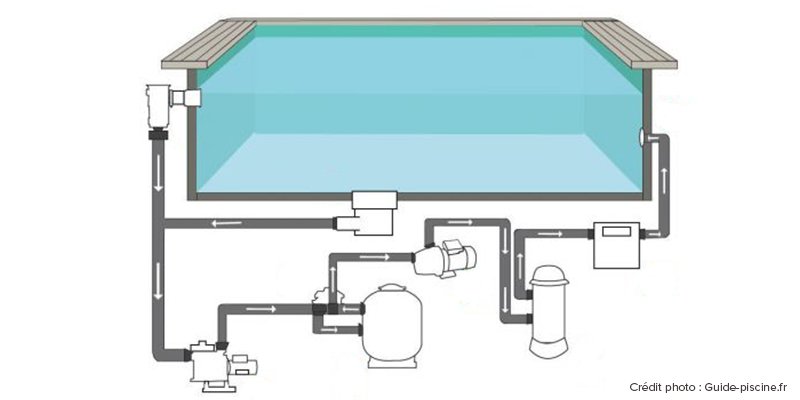
12 questions/answers on swimming pool filtration

Transform your garden into a bohemian and natural corner

Organize your balcony and terrace with a small garden furniture
Volcania EDA flowerpots to decorate your terrace or balcony

Which XXL pots to choose for an olive tree or a palm tree?

Our Top 3 for perfect lighting!

Which above ground pool should I choose based on my needs and budget?