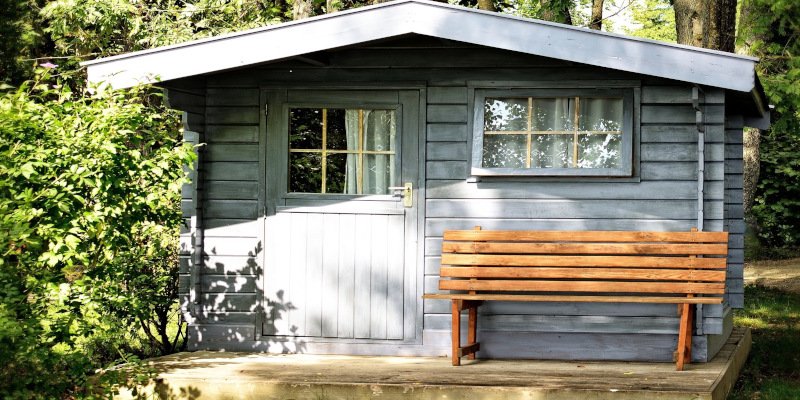
As in the case of garden greenhouses or garages, the installation of a garden shed requires prior reflection to avoid unpleasant surprises.
Indeed, building a garden shed is a long-term project and requires significant financing. Location, as well as legislation and development tax, are factors to be aware of before undertaking an external development project.
How to choose the location of the garden shed?
The location of the garden shed long term involves taking into account certain points in the garden.
- The presence of trees : Massive roots can damage your garden shed, but trees also carry lots of insects, leaves and moisture.
- Your neighborhood : the height of the garden shed can produce shade or secure the boundaries of the land so as not to invade their.
- Environmental factors : The nature of the soil can play a role in the long-term stability of the garden shed or the direction of the prevailing winds can cause an influx of moisture or even cause more serious damage in bad weather.
Once you have found your location, you will have to choose the size and model of your garden shed which will be determined according to your needs.
Read our article: Which surface to choose for your garden shed.
Legislation and regulations for garden sheds
Before any action it is essential to consult the Local Master Plan (PLU) OR the master plan (POS) and contact your municipality for related information installing a garden shed in your municipality
Two essential criteria must be taken into account to know in detail the steps to follow for the installation of your garden shed:
- The footprint : represents the total vertical projection of the building volume, including overhangs. certain ornaments such as canopies and roof overhangs not supported by a pole are excluded.
- Floor surface : it is a building calculation unit used for issuing planning permissions. It corresponds to closed and covered surfaces and is measured on the bare internal part of the facade walls. It is only intended for surfaces with a ceiling height greater than 1.80 m.
| Surfaces of garden sheds | Height less than or equal to 12 m | Height greater than 12 m |
|---|---|---|
| Surface area and footprint less than or equal to 5 m² | No permission | Prior declaration of works |
| Surface area and dimensions between 5 m² and 20 m | Prior declaration of works | Building permit |
| Surface and overall dimensions greater than 20 m² | Building permit | Building permit |
| Surfaces of garden sheds | Height less than or equal to 12 m | Height greater than 12 m |
|---|---|---|
| Surface area and footprint less than or equal to 5 m² | Prior declaration of works | Building permit |
| Surface area and footprint between 5 m² and 20 m² | Prior declaration of works | Building permit |
| Surface and overall dimensions greater than 20 m² | Building permit | Building permit |
Development fee
revalued every year and calculated according to the construction cost index, prices per m² for the development fee recorded an increase in 2023 of 8%.
The development tax applies to all construction that requires it a declaration of work or a work permiti.e. it concerns all constructions whose surface area or footprint is greater than 5 m².
Prices in 2023 are as follows:
| 2020 | 2021 | 2022 | 2023 | |
|---|---|---|---|---|
| Outside Île-de-France | €759 | €767 | €820 | €886 |
| In Île-de-France | €860 | €870 | €929 | €1004 |
The development fee is calculated as follows:
Formula : Taxable surface area* (m²)X Fixed value (€)
*Taxable surface area: not to be confused with the walkable surface area
**Please note: the formula is carried out for each community: municipal, departmental and regional. So everything is added together.
Development fee calculation example:
- Garden shed of 25 m2
- 1% municipal rate: 25 x 886 x 1% = €221.50
- 1.5% departmental rate: 25 x 886 x 1.5% = €332.25
- Total: €553.75
(For residents of Île-de-France an additional regional fee applies)
Two cases are possible for the payment of the development tax:
- If the development fee amount is less than €1,500This must be paid in one lump sum within 12 months of the date of issue of the building permit.
- If the development fee amount is more than €1,500must be paid in 2 installments. The first amount must be paid within the 12th month following the date of issue of the building permit. The second amount must be paid in the 24th month following that same date.
latest posts published
Choose a water collector wisely! All our advice!

How to attract and feed birds even during the winter?
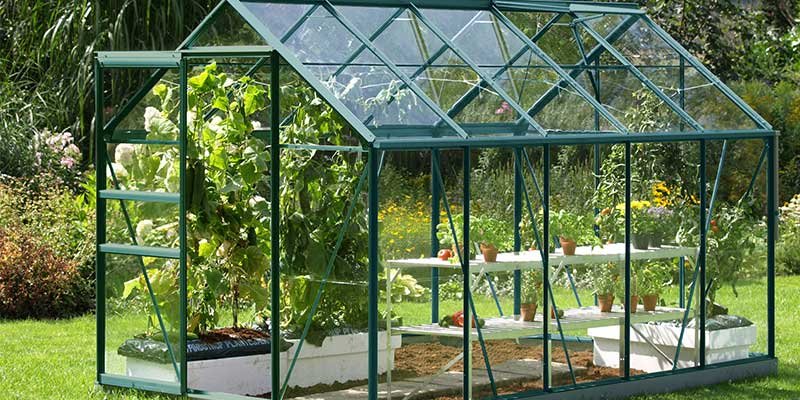
Summer irrigation – Guide to good practices

4 easy recipes with autumn fruit and vegetables #1

How do I calculate the filtration time of my above ground pool?

The robot lawnmower: why you will like it
How to choose a pool heat pump? Power, COP, criteria…
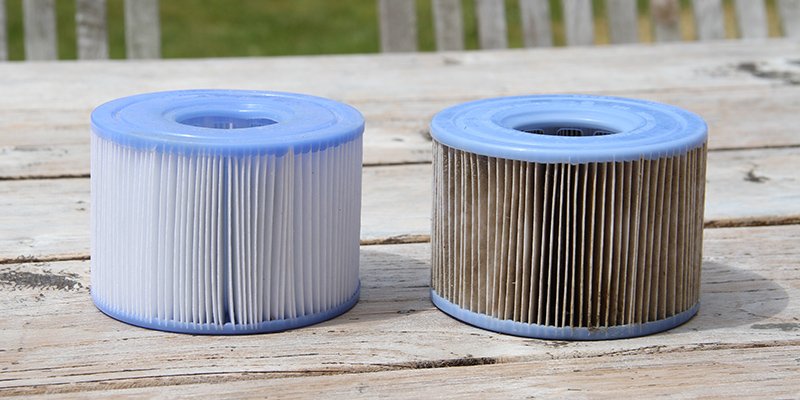
How can I clean the filter cartridge of my Intex inflatable spa?
Healthy spring shrubs