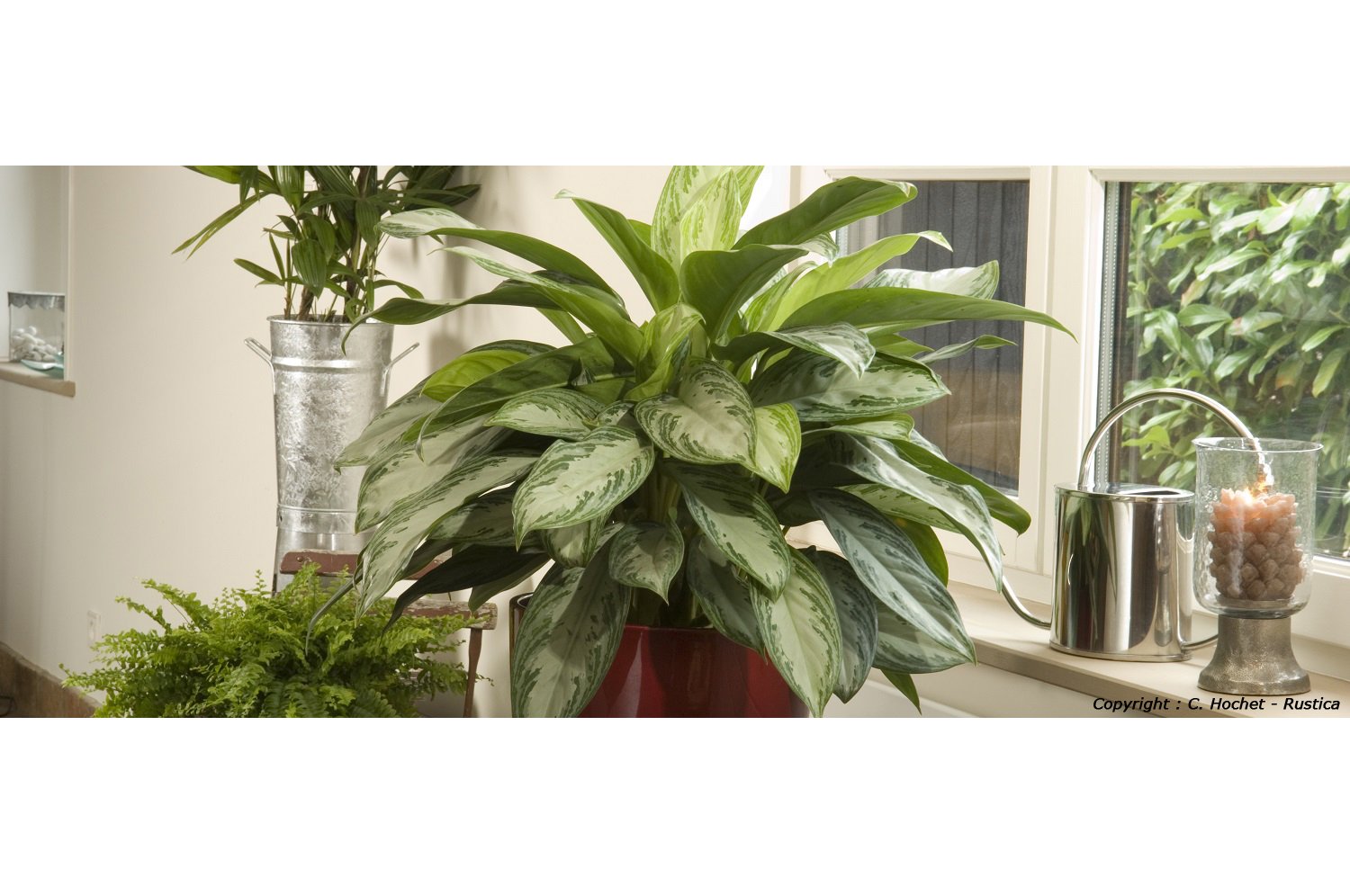

There are many methods to protect your plants climate risks in winter. From occasional protection to overwintering in a frost-free room, let’s explore the various possibilities for overwintering plants together!
Warm roots
To protect the roots of fragile plants from frost, a simple technique can be implemented: Mulching.
Made up of straw, mowing waste, dead leaves, flax flakes or even dried fern fronds, it will always be laid out in very thick layers.
Appropriate actions:
- Do this in dry, warm weather so the mulch will retain heat and not moisture.
- Clean the base of the plants and spread a nice layer at least 20 cm thick of the chosen material all around to cover the roots well.
- Pack light and place some heavy items on top to keep it in place despite the wind.
Rustica’s advice for Jardideco: mulch protects plants well from frost, but it can serve as a shelter for some unwanted guests or retain a little too much humidity. Remember to turn it over when the weather is good to air it out and remove any «unlicensed occupants».
Trunks packed
Fig trees, tree ferns, palms and some fragile ornamental shrubs will benefit from the protection of a sleeve around the torso.
Appropriate actions:
- Purchase a cover or a tarpaulin or create, using a net, jute or coconut cloth, a sleeve wider than the trunk so that you can insert protective elements such as straw, leaves or dry fern fronds.
- Place the elements well in the sleeve so that the entire trunk is well protected, up to the upper part where the new shoots form.
Rustica’s advice for Jardideco: avoid plastic bags which retain too much humidity and prevent the passage of air.
Well protected aerial parts
Another solution is to use a non-woven polypropylene winter sail to overwinter trees outdoors. The higher its density, the better the protection. By allowing air, light and rain to penetrate, this veil can be left in place for quite a long time.
Appropriate actions:
- Choose a 60 g/m² veil, it is a little more expensive to buy but protects much better.
- Place the veil on the ground, supporting it with bricks or boards for low-growing plants.
- Wrap the veil around fragile shrubs.
Take care to cover all parts of the plant well and check the attachments.
Rustica’s advice for Jardideco: you can use bubble wrap to occasionally protect your plants, in case of exceptional cold, but be careful, plastic does not let the plant breathe and can rot! It should therefore be removed as soon as possible.
The fight against humidity
Some plants installed in the ground they tolerate humidity much less than cold. This is the case of succulents and cacti but also of some alpine plants.
Appropriate actions:
- Recycle old window frames, plexiglass sheets or glass that you place on bricks or flat stones just above the plants in question.
- Provide good ventilation by leaving two sides open.
- Place the installation on a slight slope to ensure rainwater drainage.
There is strength in unity!
Group the more fragile potted plants along a south-facing wall, if possible covered by a awning. This will guarantee a gain of a few degrees, especially at night because the wall will release the heat accumulated during the day.
Appropriate actions:
- Place your plants on multiple levels using shelves to take advantage of the full height of the wall.
- Remove the saucers so that the water never stagnates at the roots.
- Place the pots on polystyrene sheets to insulate them from the cold soil.
Rustica’s tip for Jardideco: If you don’t have an awning, you can wrap the plants together in a winter veil.
A safe shelter from frost
To overwinter non-resistant plants such as hibiscus, citrus fruits, cacti or plants of tropical origin such as does not tolerate frost. It will then be necessary to shelter them in a room protected from frost throughout the winter
Appropriate actions:
- Bring fragile plants into the garage, basement, porch, greenhouse or any other bright, frost-free room.
- Allow the bulbs to dry well before placing them in boxes filled with sawdust.
- Prune the aerial parts of fuchsias, pelargoniums and hibiscus to save space.
- Place your plants as close to a light source as possible, spacing them well to avoid confinement.
- Water little, just to prevent the plant from dying.
latest posts published
Choose a water collector wisely! All our advice!

How to attract and feed birds even during the winter?
Summer irrigation – Guide to good practices

4 easy recipes with autumn fruit and vegetables #1

How do I calculate the filtration time of my above ground pool?

The robot lawnmower: why you will like it

How to choose a pool heat pump? Power, COP, criteria…
How can I clean the filter cartridge of my Intex inflatable spa?

Healthy spring shrubs